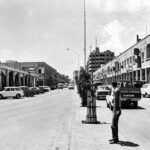
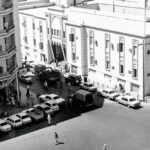
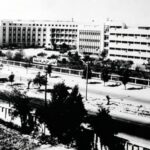
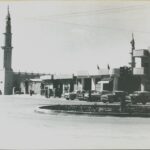
Buildings in the Era of King Saud

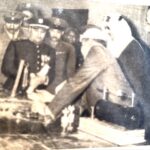
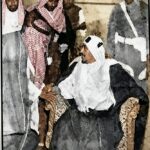
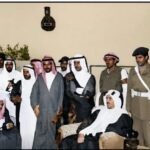
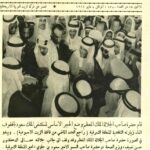
His Majesty King Saud bin Abdulaziz — may God have mercy on him — accompanied by Sheikh Abdullah Al‑Balkhair — Director‑General of the Broadcasting, Press, and Publishing Directorate — inspecting the architectural model of the national radio station.

The architectural model of the national radio station building
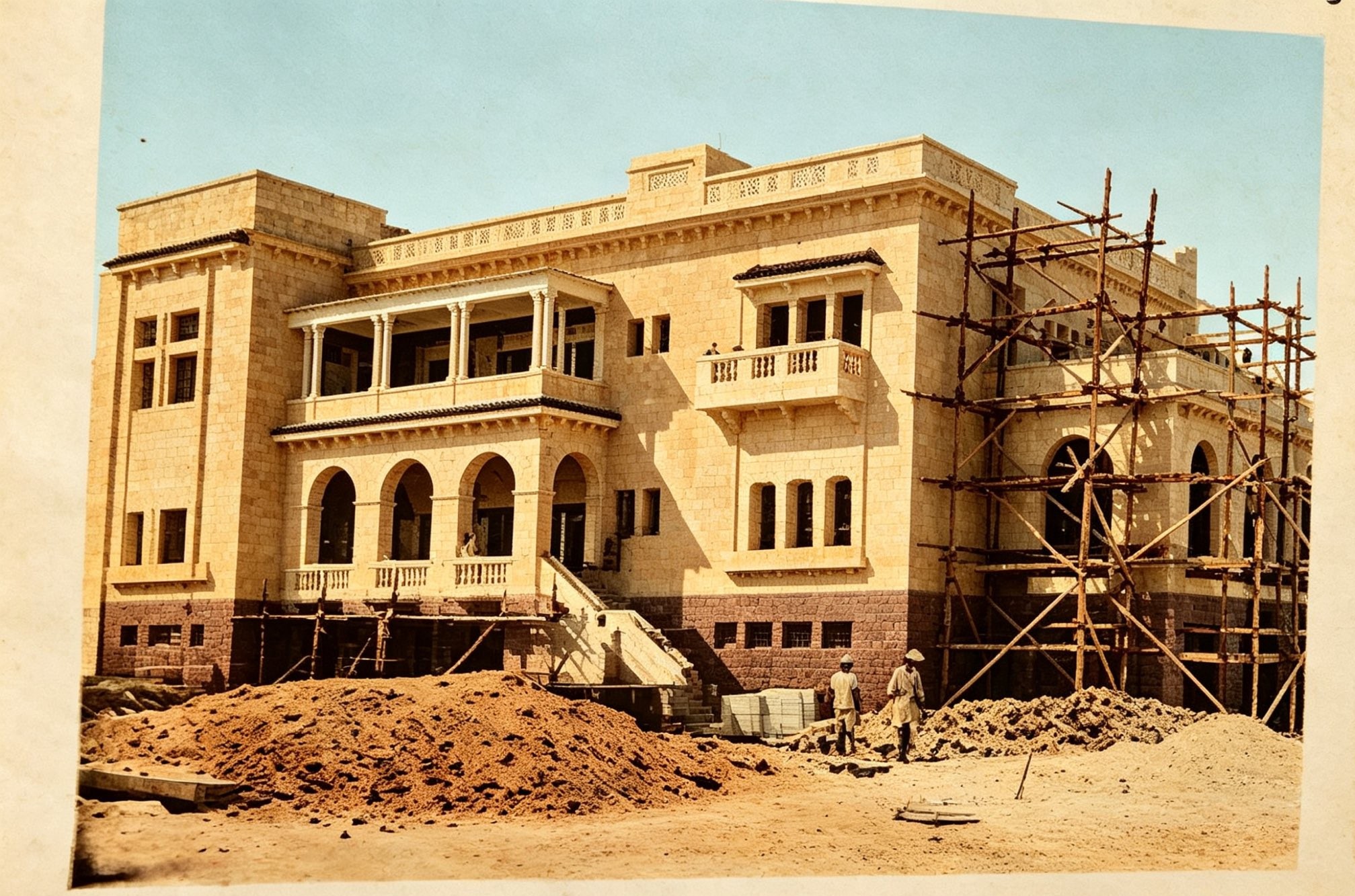
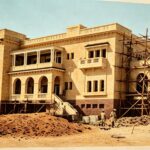
The construction of Qasr Khuzam — His Majesty King Saud’s palace in Jeddah — in 1955, executed by the Egyptian contractor Zaki Ibrahim Hussein.
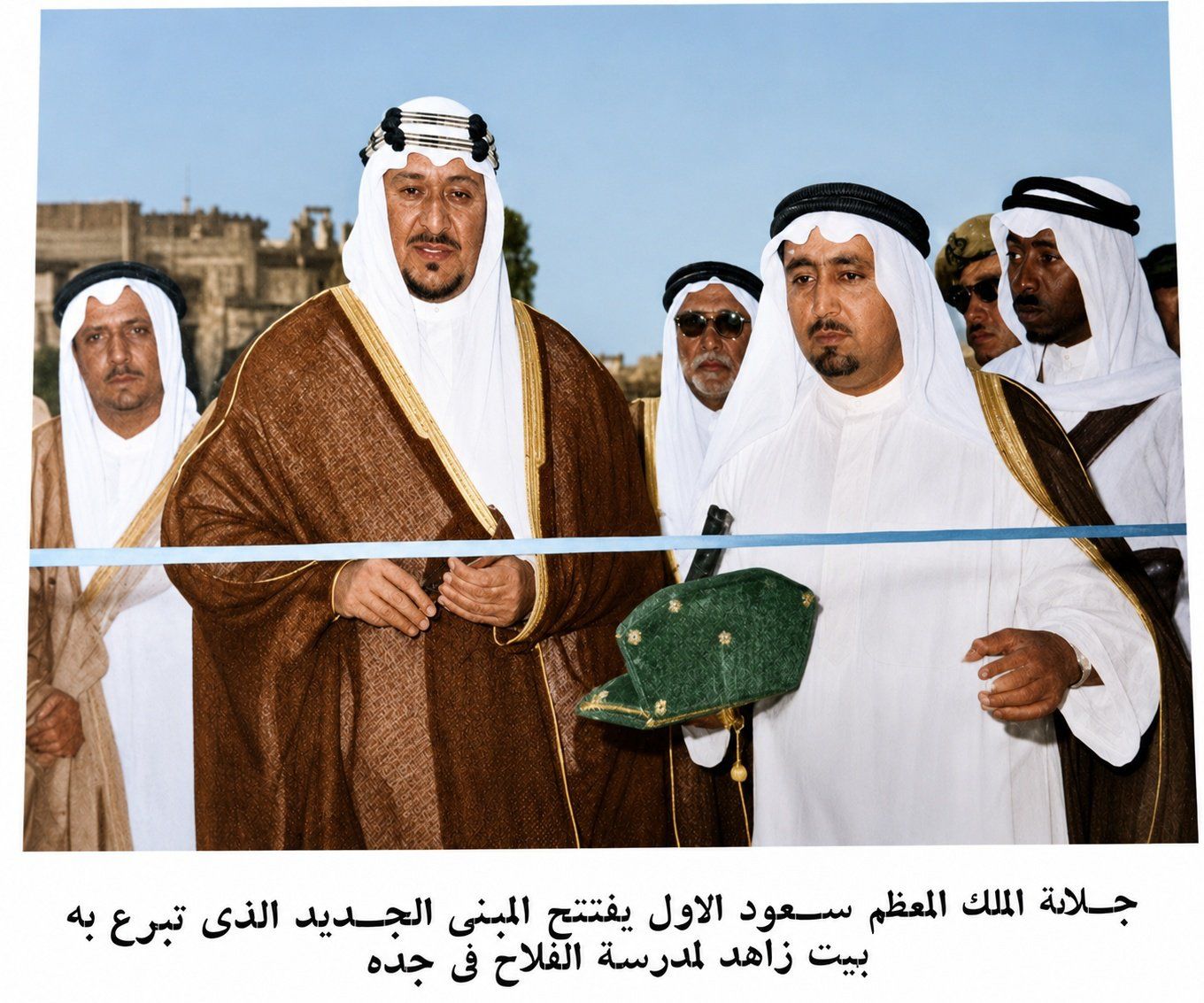
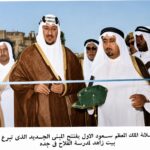
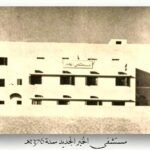
His Majesty King Saud bin Abdulaziz — may God have mercy on him — inaugurating the new building donated by the Zahid family for Al‑Falah School in Jeddah.
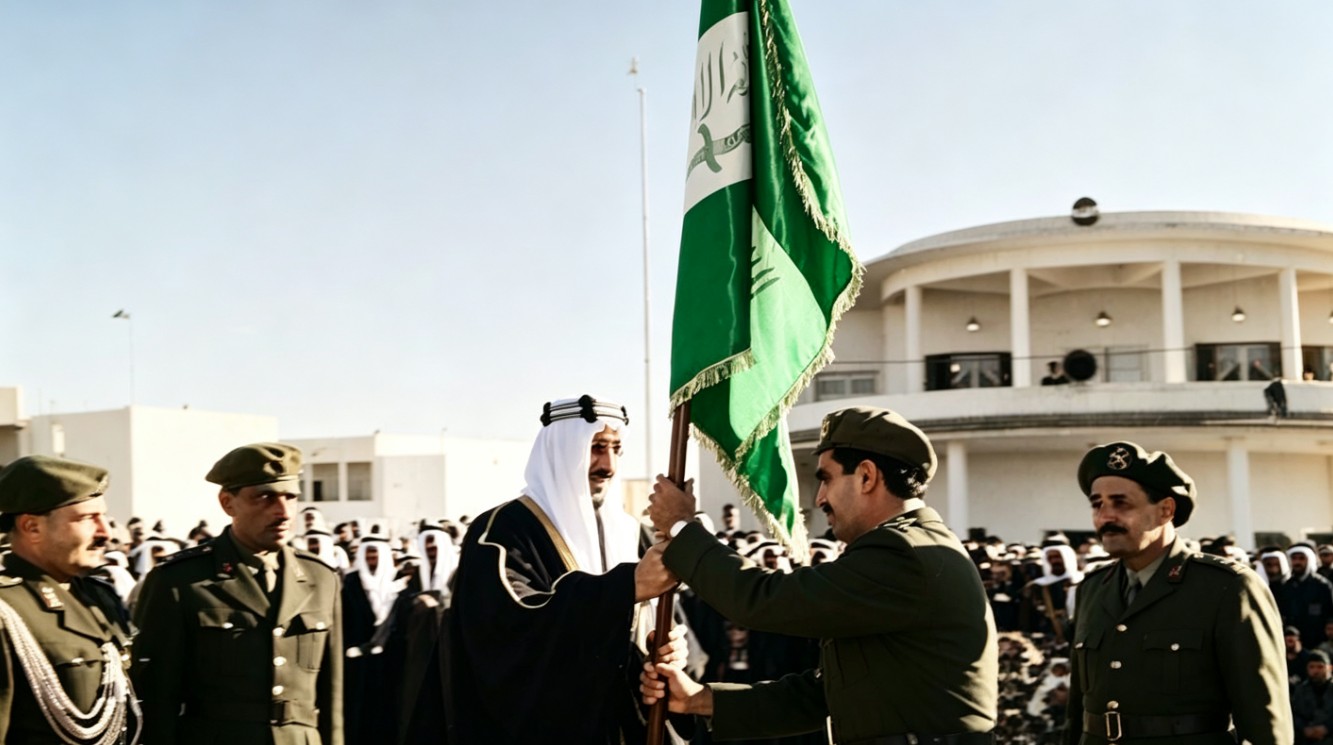
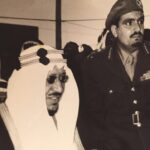
His Majesty King Saud bin Abdulaziz — may God have mercy on him — inaugurates the King Abdulaziz Military College in Riyadh in 1955, in the presence of King Salman bin Abdulaziz, then Governor of Riyadh — may God preserve him — and Prince Mishaal bin Abdulaziz — may God have mercy on him — to whom the College’s Flag was formally presented during the ceremony
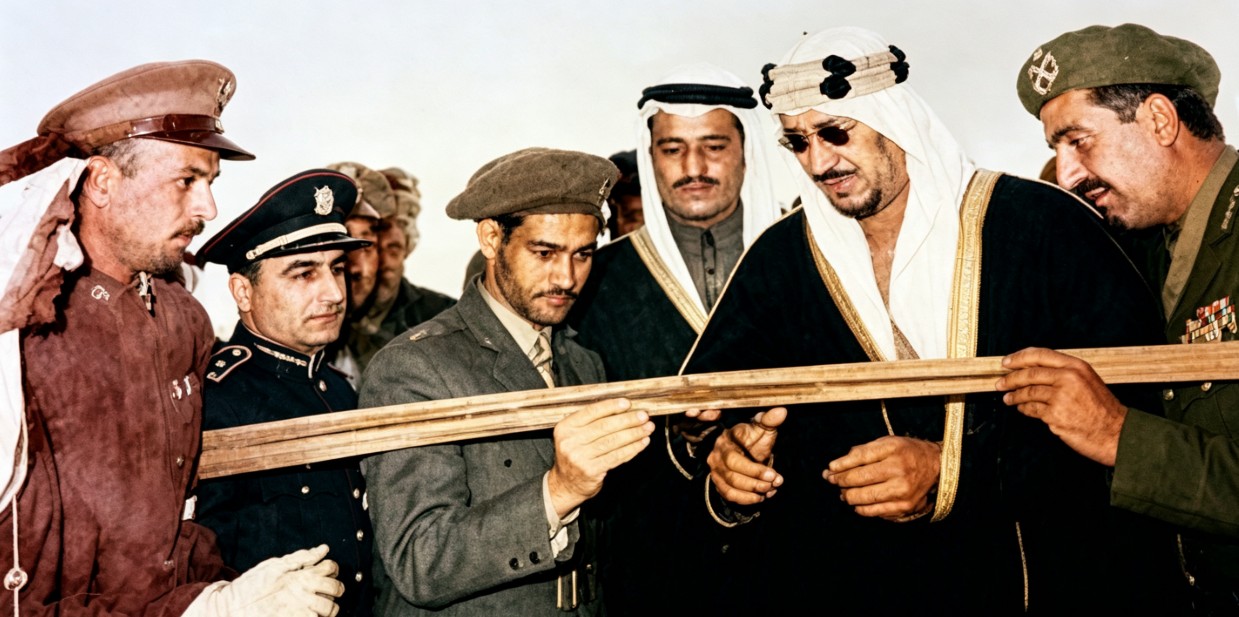
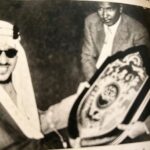
His Majesty King Saud bin Abdulaziz — may God have mercy on him — inaugurating King Abdulaziz Military College in Riyadh, a facility constructed by the Saudi Contracting Company. During the ceremony, the company’s director, the Egyptian engineer Othman Ahmed Othman, presented a commemorative shield to King Saud. The event was attended by the Governor of Riyadh at the time, Prince Salman bin Abdulaziz — now King Salman, may God preserve him — and Prince Mishaal bin Abdulaziz, may he rest in peace. During the inauguration, King Saud entrusted the newly adopted college flag to Prince Mishaal bin Abdulaziz, the Minister of Defense. Photographed in 1956.
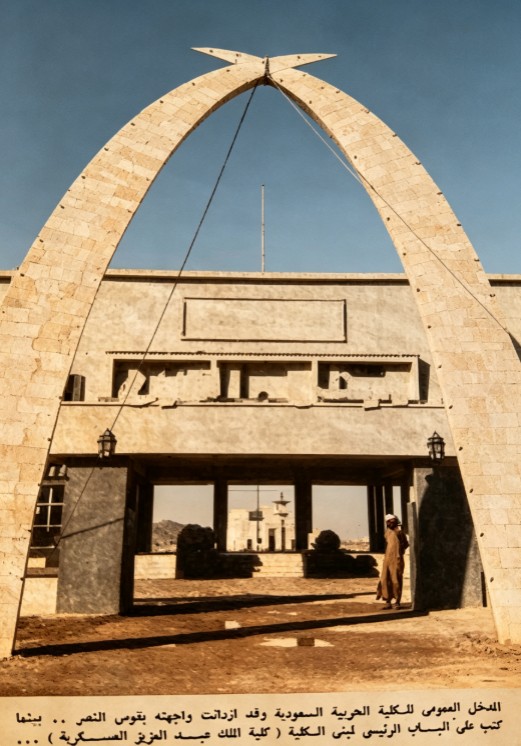
His Majesty King Saud bin Abdulaziz — may God have mercy on him — inaugurating King Abdulaziz Military College in Riyadh, a landmark institution constructed by the Saudi Contracting Company.
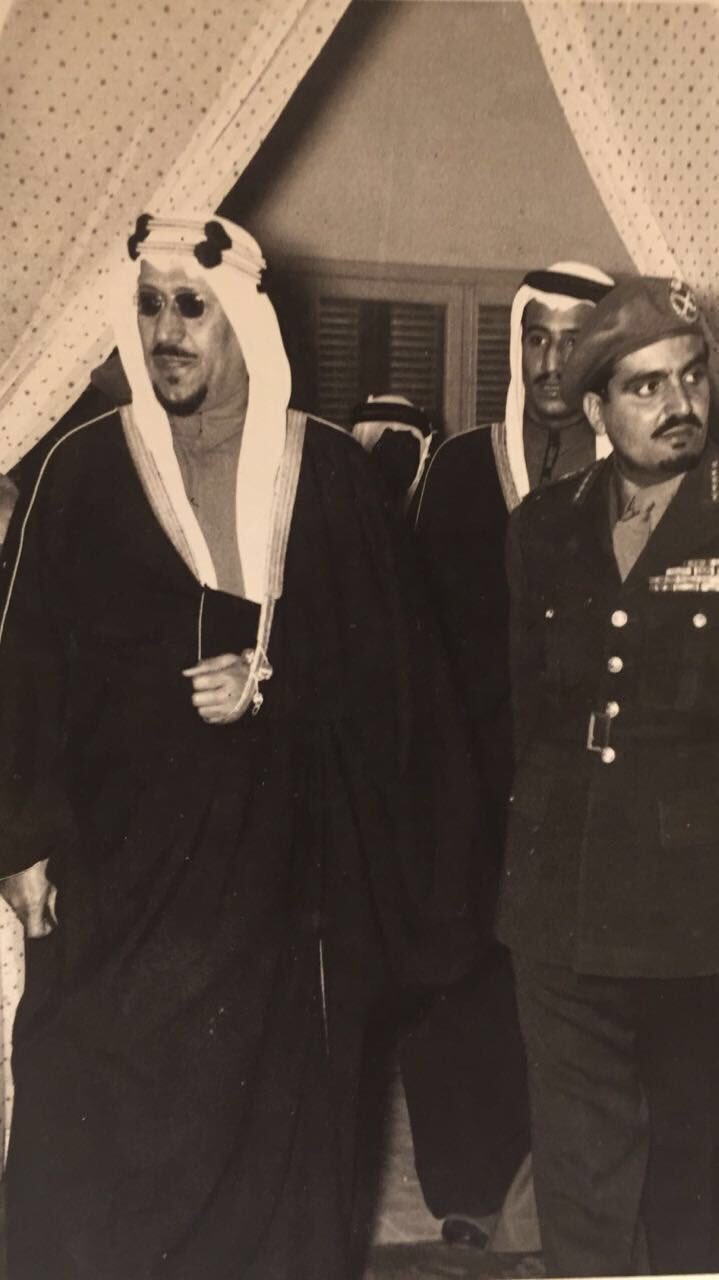
His Majesty King Saud bin Abdulaziz — may God have mercy on him — inaugurates the King Abdulaziz Military College in Riyadh in 1955, in the presence of King Salman bin Abdulaziz, then Governor of Riyadh — may God preserve him — and Prince Mishaal bin Abdulaziz — may God have mercy on him — to whom the College’s Flag was formally presented during the ceremony
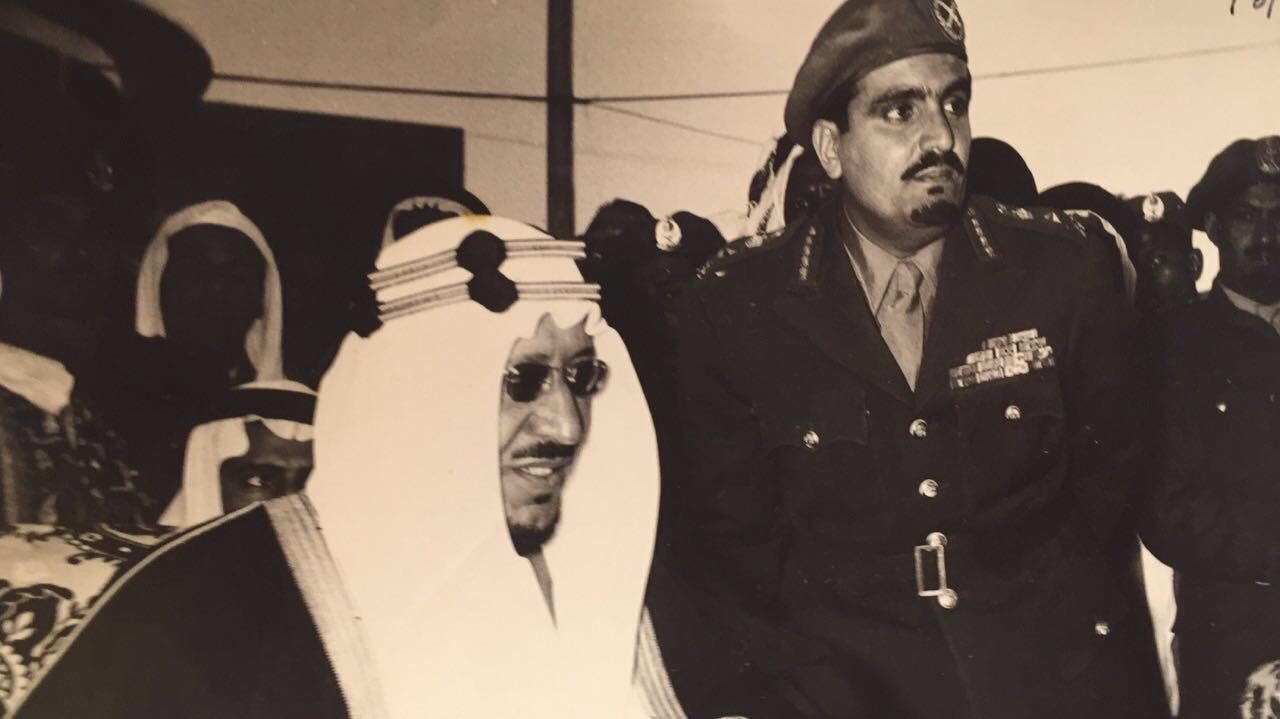
His Majesty King Saud bin Abdulaziz — may God have mercy on him — inaugurates the King Abdulaziz Military College in Riyadh in 1955, in the presence of King Salman bin Abdulaziz, then Governor of Riyadh — may God preserve him — and Prince Mishaal bin Abdulaziz — may God have mercy on him — to whom the College’s Flag was formally presented during the ceremony
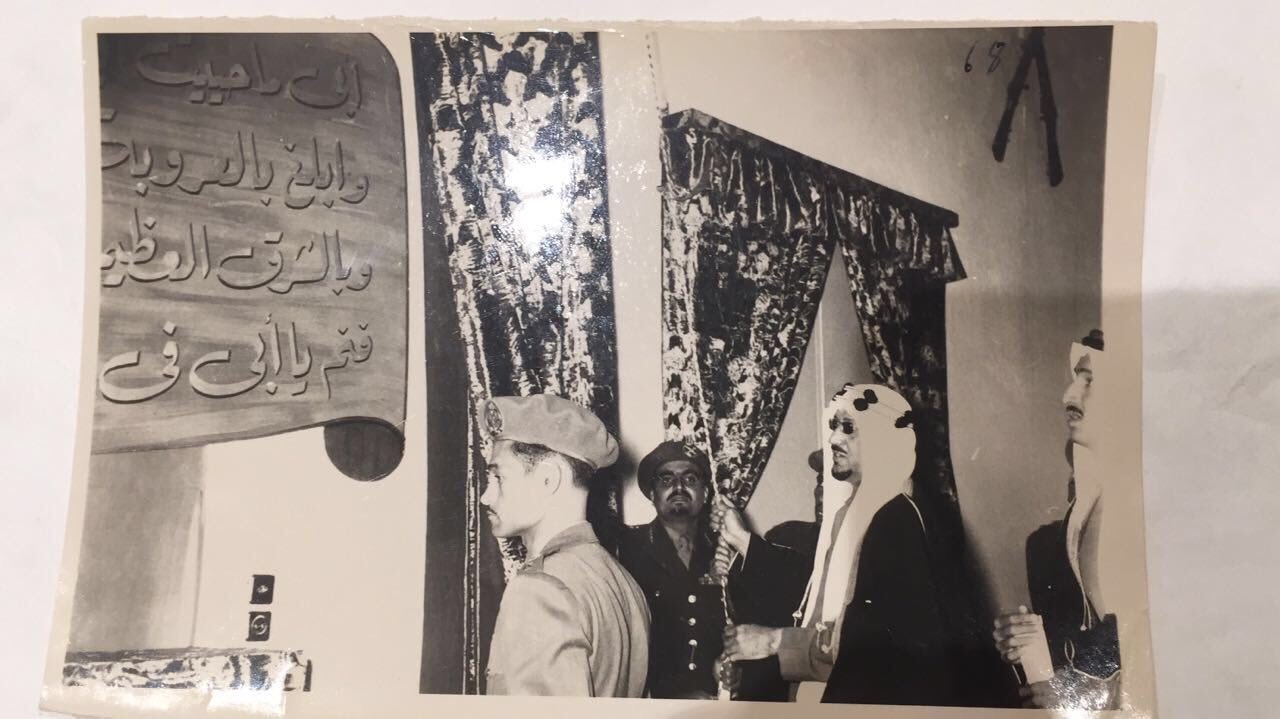
His Majesty King Saud bin Abdulaziz — may God have mercy on him — inaugurates the King Abdulaziz Military College in Riyadh in 1955, in the presence of King Salman bin Abdulaziz, then Governor of Riyadh — may God preserve him — and Prince Mishaal bin Abdulaziz — may God have mercy on him — to whom the College’s Flag was formally presented during the ceremony

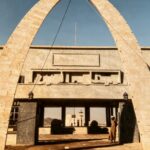
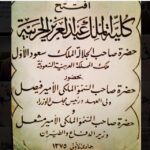
The Inauguration Plaque of King Abdulaziz Military College, established by His Majesty King Saud — may he rest in peace — and inaugurated in the presence of the Crown Prince and the Minister of Defense.
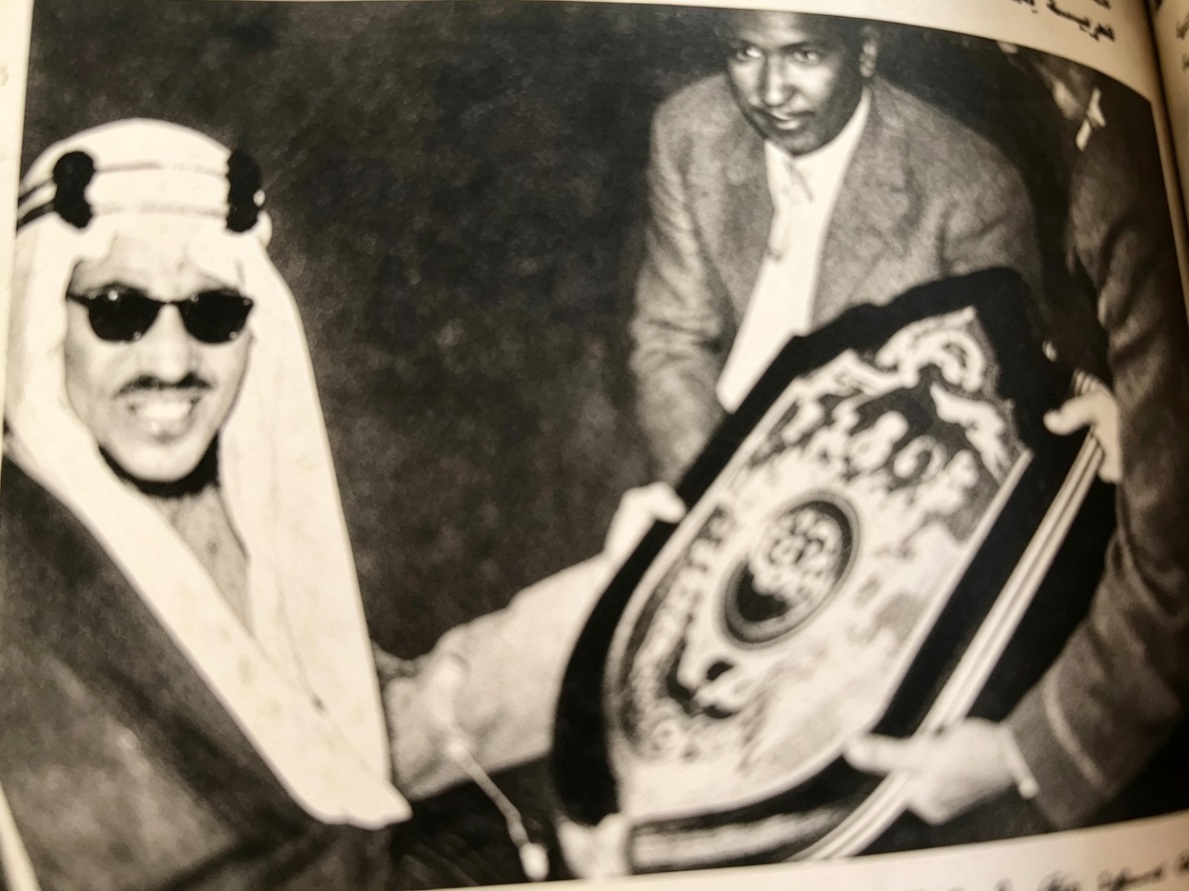
The company’s director, the Egyptian engineer Othman Ahmed Othman, presented a commemorative shield to King Saud. 1956
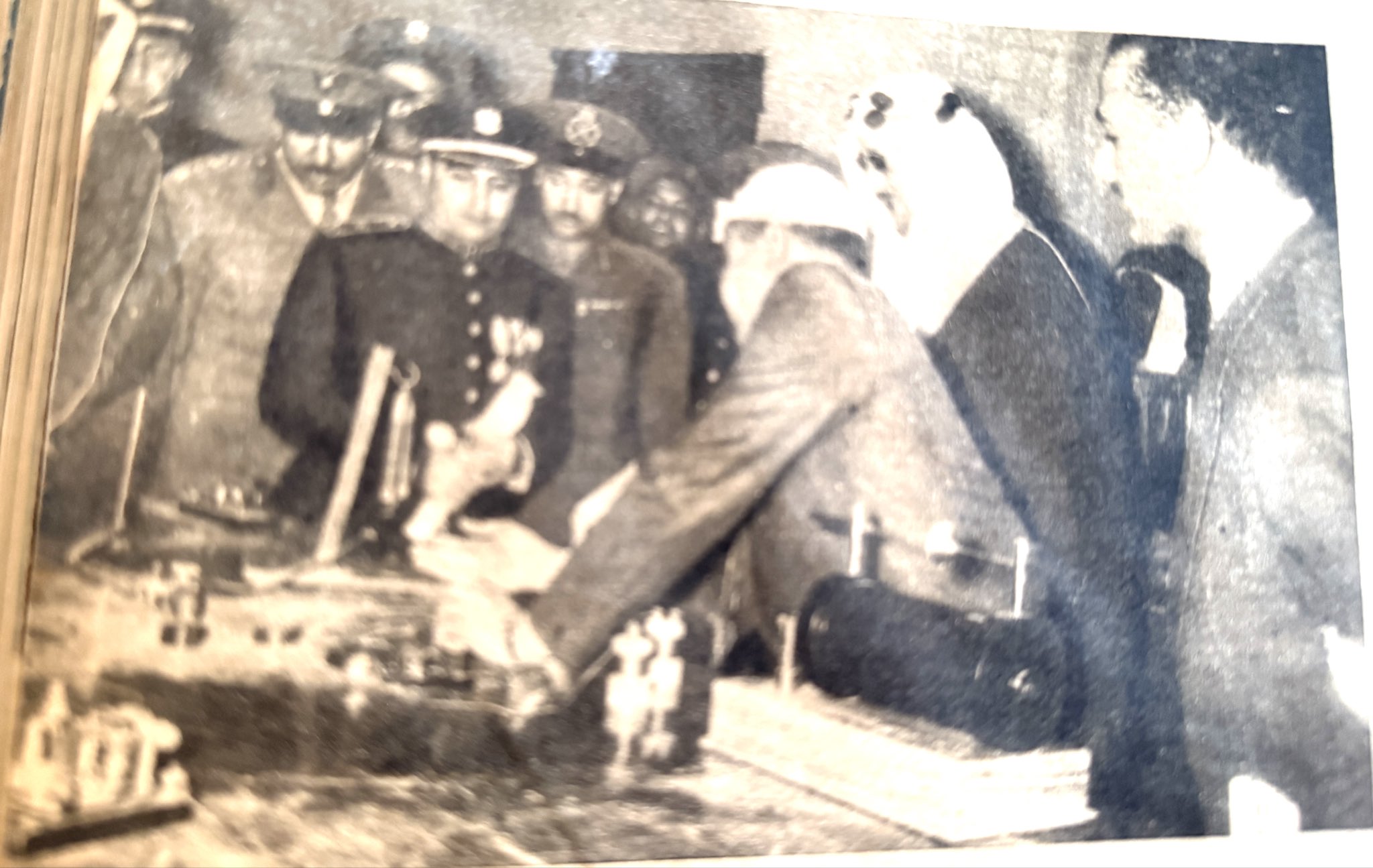
The director of Saudi Contracting Company engineer Othman Ahmed Othman, presents a commemorative shield to King Saud. 1956
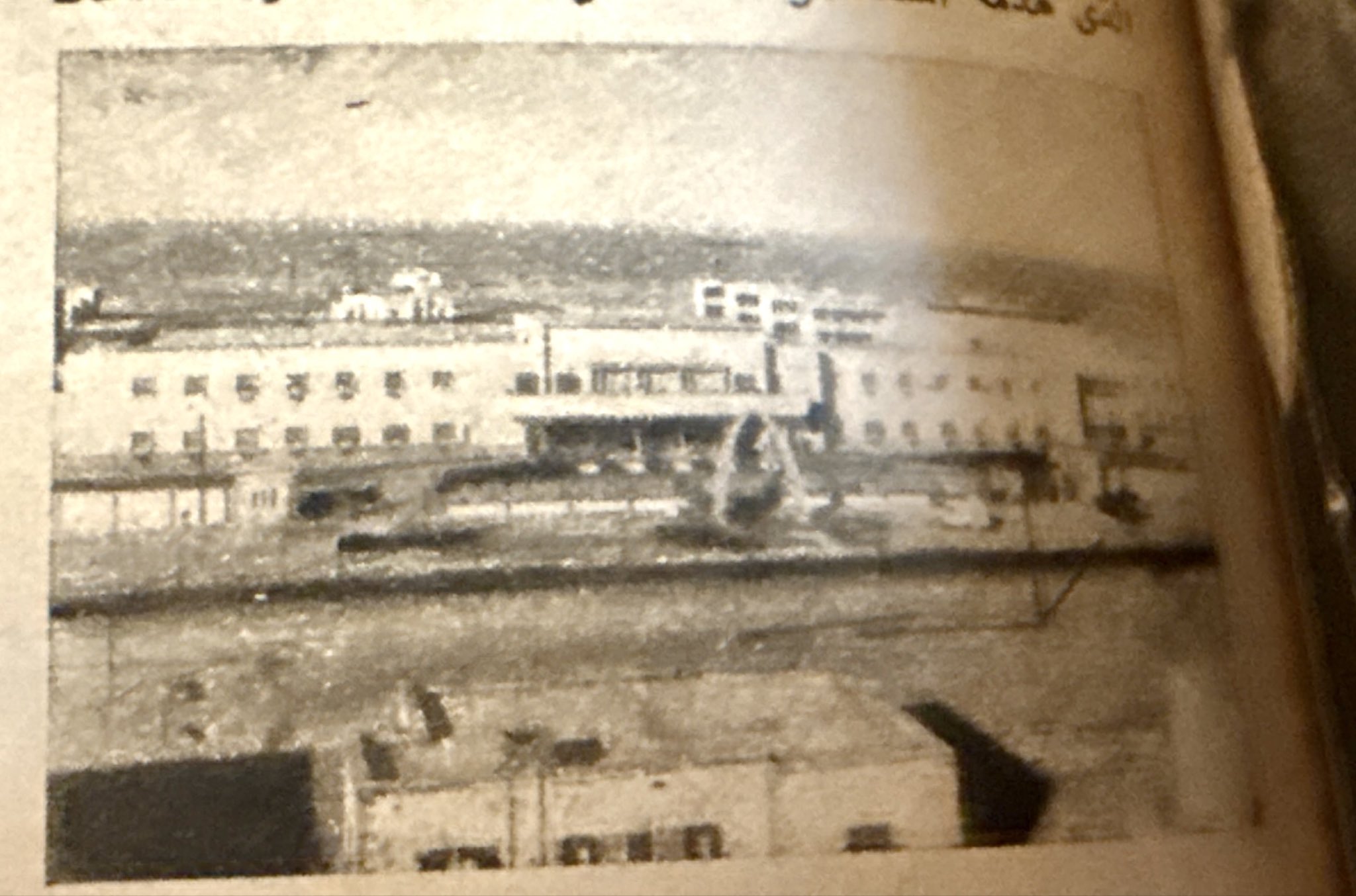
King Abdulaziz Military College in Riyadh, a facility constructed by the Saudi Contracting Company
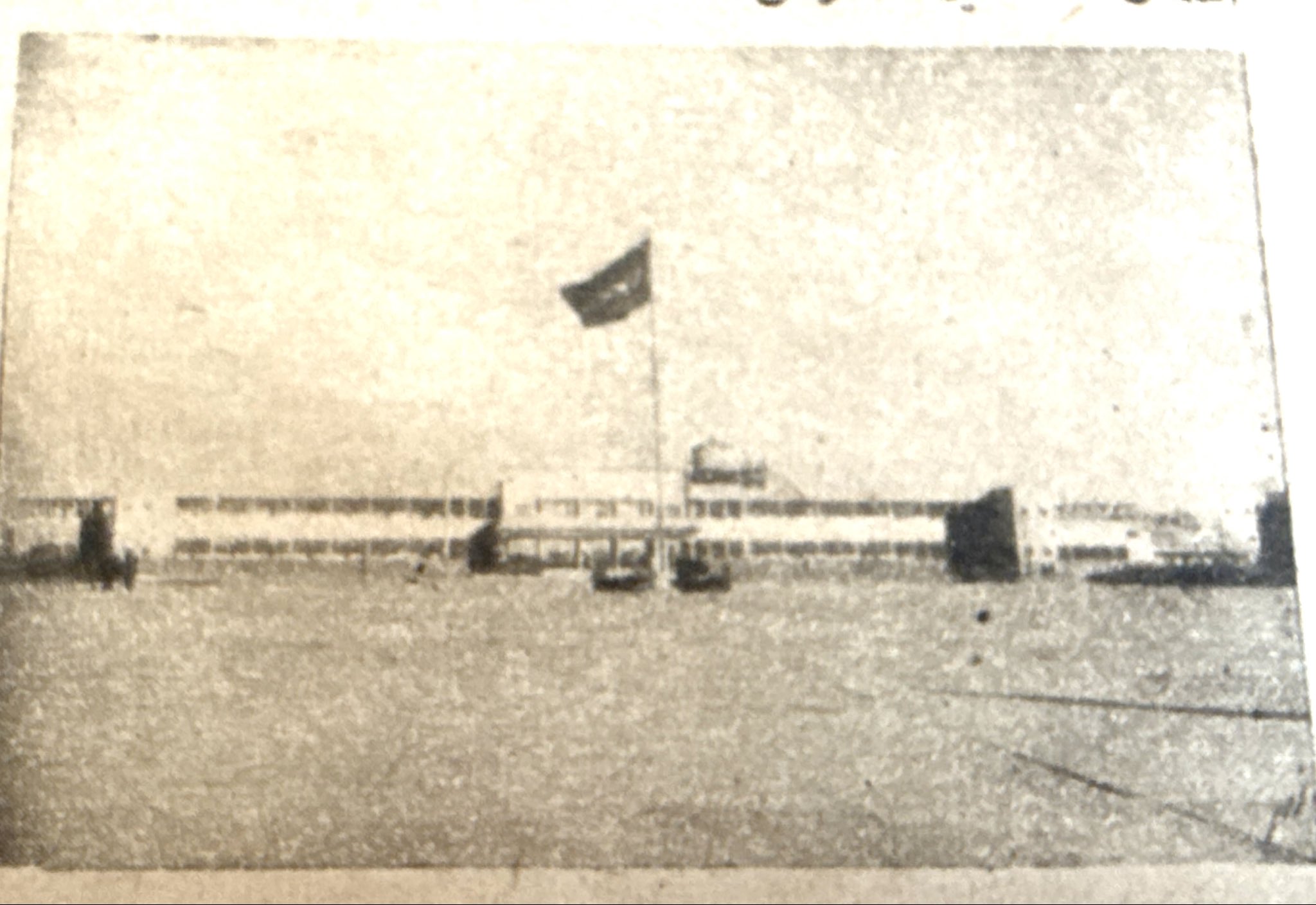
King Abdulaziz Military College in Riyadh, a facility constructed by the Saudi Contracting Company
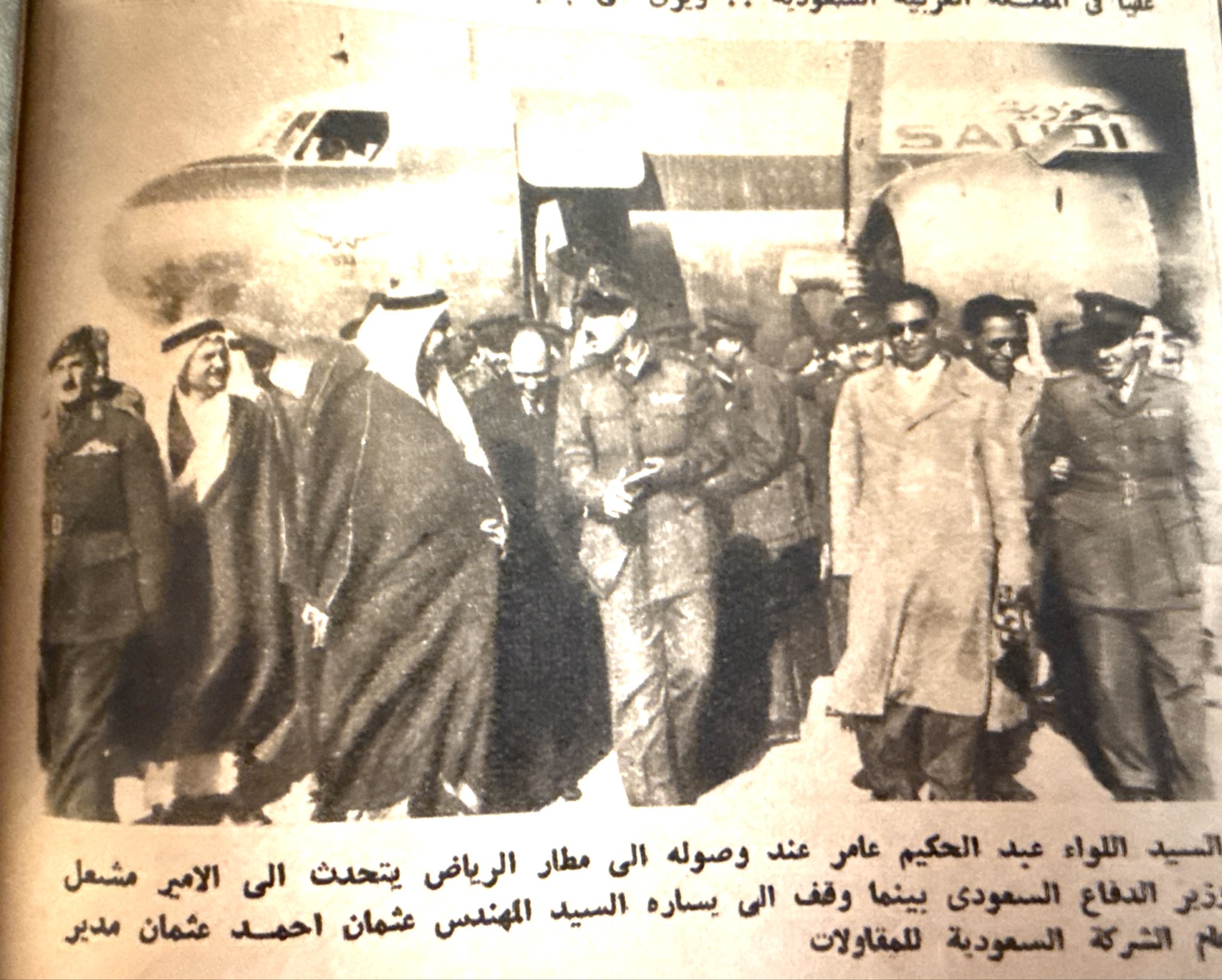
His Majesty King Saud bin Abdulaziz — may God have mercy on him — inaugurating King Abdulaziz Military College in Riyadh, a landmark institution constructed by the Saudi Contracting Company.
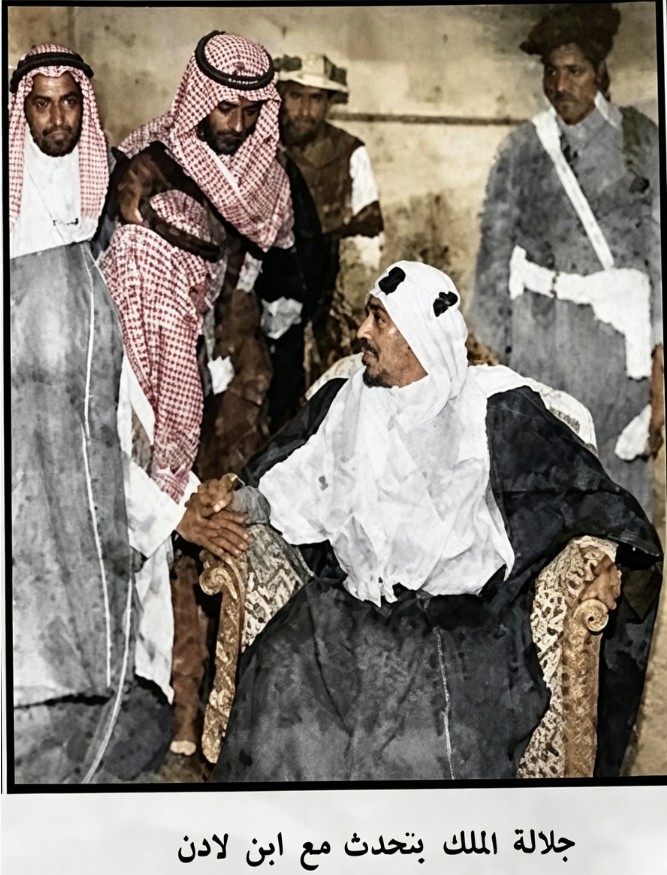
His Majesty King Saud bin Abdulaziz — may God have mercy on him — inspecting the Al‑Hada Road in Taif, the strategic mountain route he ordered to be carved through the Taif highlands to link Makkah with Taif. The project was executed by Mohammed Binladin Company. Dated: 16 March 1961.
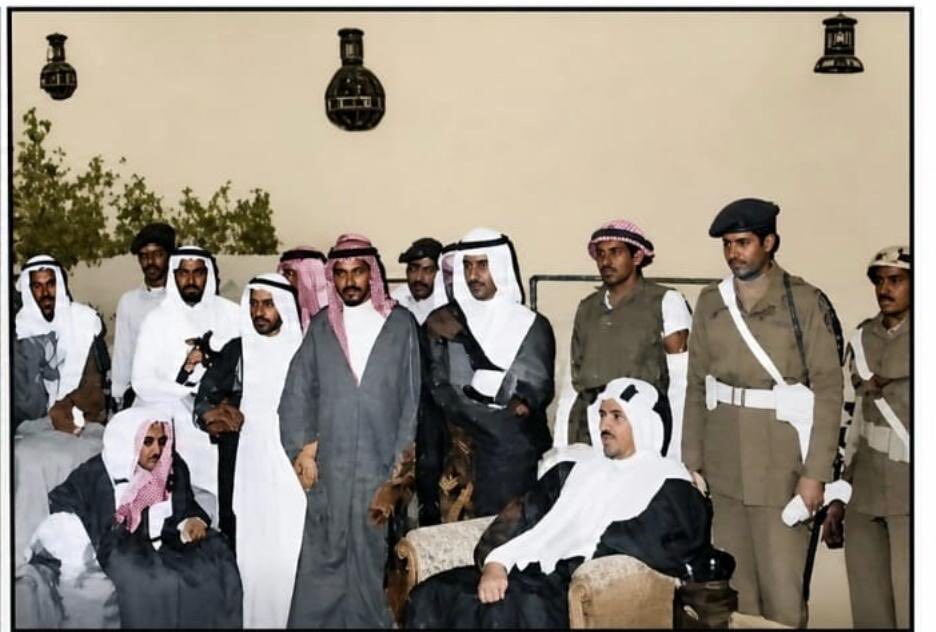
His Majesty King Saud bin Abdulaziz — may God have mercy on him — inspecting the Al‑Hada Road in Taif, the strategic mountain route he ordered to be carved through the Taif highlands to link Makkah with Taif. The project was executed by Mohammed Binladin Company. Dated: 16 March 1961.
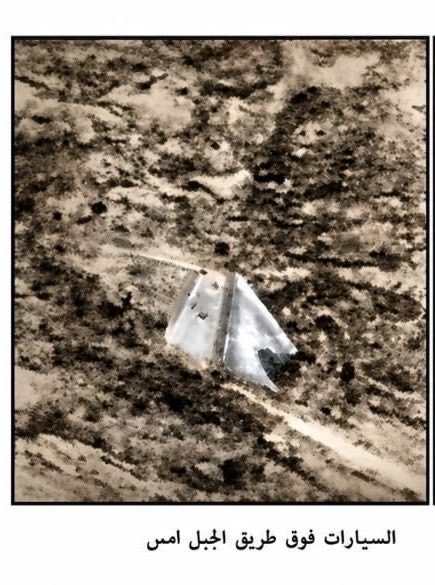
His Majesty King Saud bin Abdulaziz — may God have mercy on him — inspecting the Al‑Hada Road in Taif, the strategic mountain route he ordered to be carved through the Taif highlands to link Makkah with Taif. The project was executed by Mohammed Binladin Company. Dated: 16 March 1961.
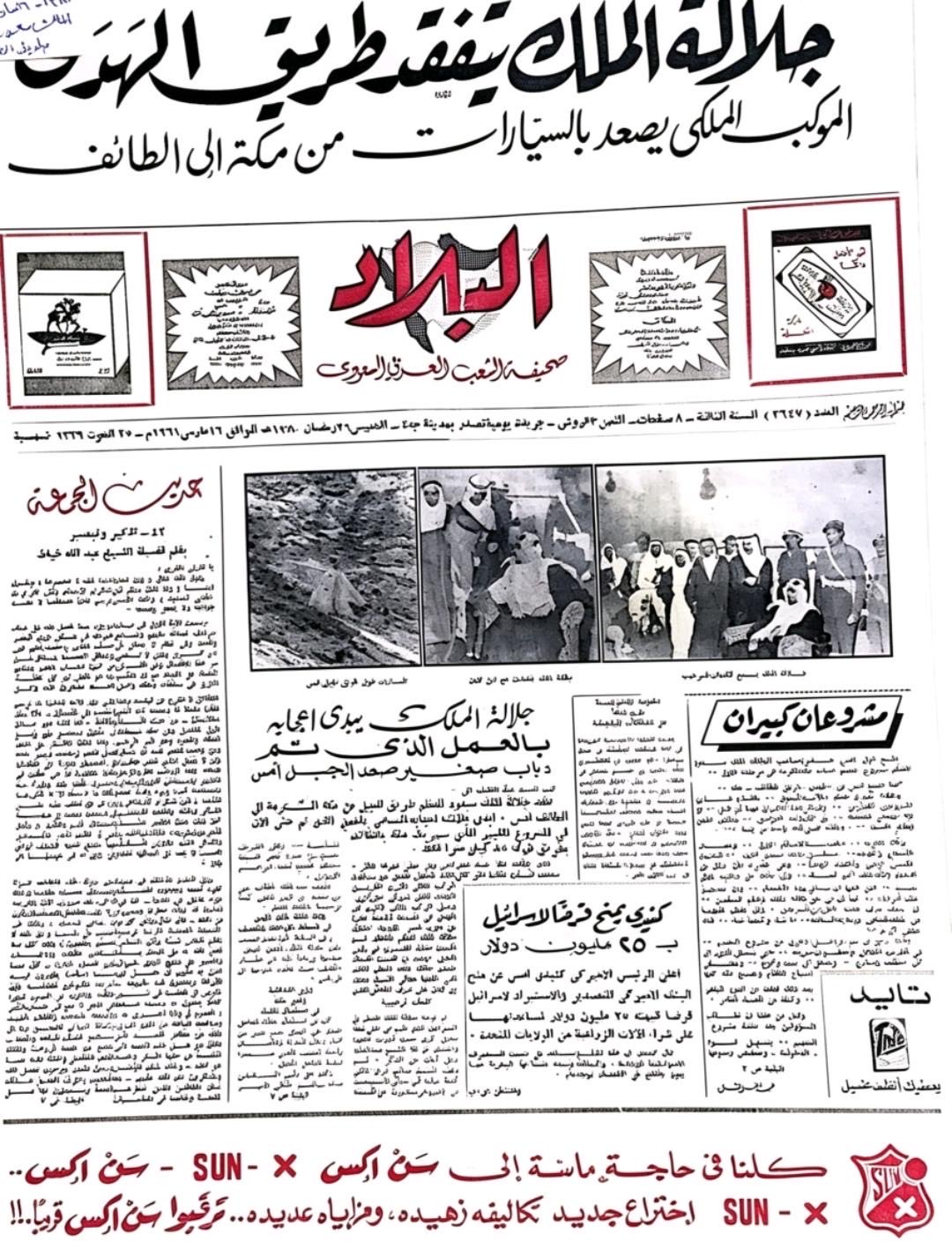
His Majesty King Saud bin Abdulaziz — may God have mercy on him — inspecting the Al‑Hada Road in Taif, the strategic mountain route he ordered to be carved through the Taif highlands to link Makkah with Taif. The project was executed by Mohammed Binladin Company. Dated: 16 March 1961.
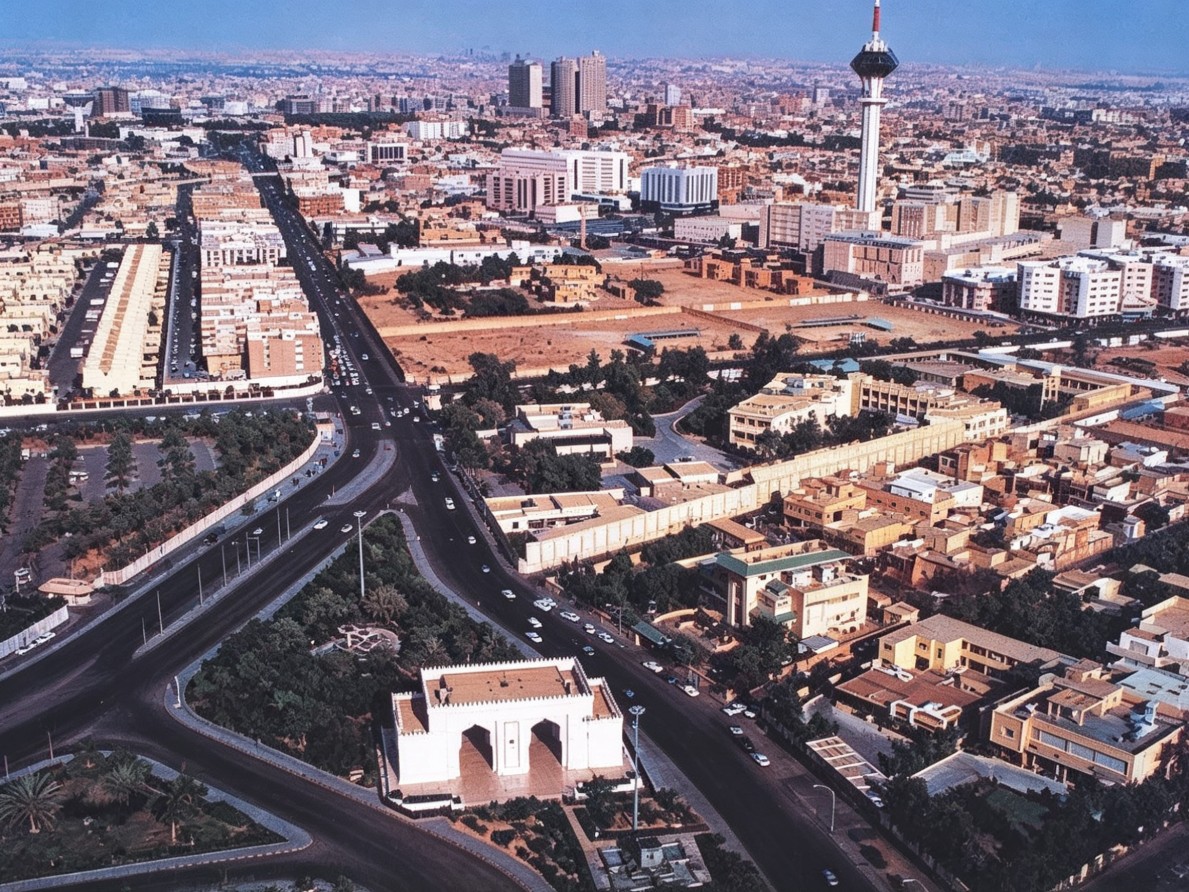
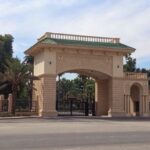
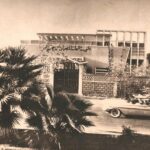
The Gate of Al‑Nasiriyah Palace, one of the residences of His Majesty King Saud — may God have mercy on him —, regarded as a distinguished landmark of the city of Riyadh.
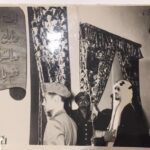
The Dais of His Majesty King Saud bin Abdulaziz — may God have mercy on him —
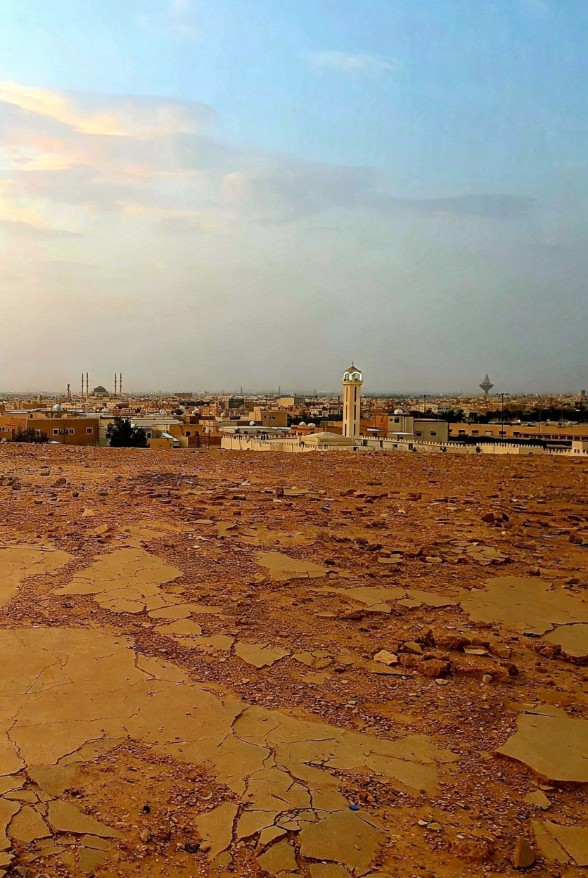
The Dais of His Majesty King Saud bin Abdulaziz — may God have mercy on him —
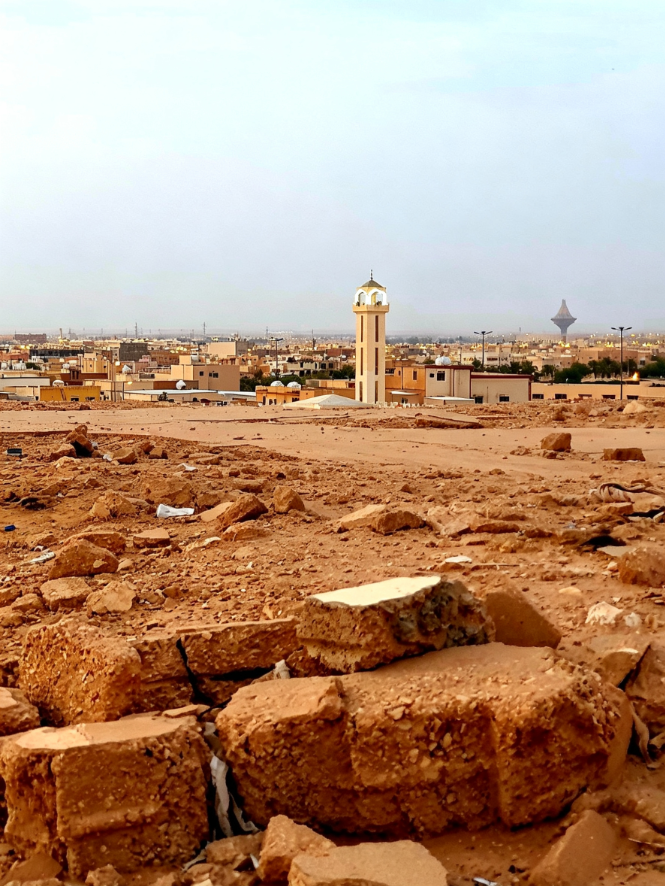
The Dais of His Majesty King Saud bin Abdulaziz — may God have mercy on him —
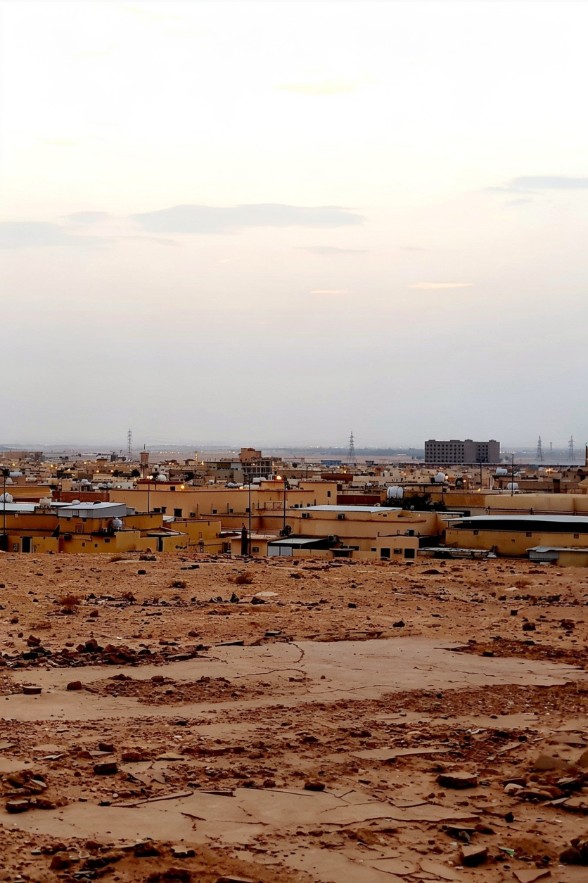
The Dais of His Majesty King Saud bin Abdulaziz — may God have mercy on him —

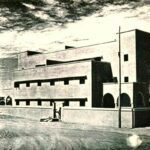
The Grand Hall of the Riyadh Municipality was constructed during the reign of King Saud, under the supervision of the Municipality itself. It hosted major public events in Riyadh, some of which were held in honor of King Saud. The hall was later converted into a public library affiliated with King Saud University.

A photograph of King Saud Hospital in Al‑Shumaisi shortly after its inauguration.

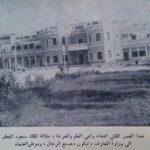
The Palace of Prince Fahd bin Saud, may God have mercy on him, located in Al‑Fatah (Al‑Zuhairah) north of old Riyadh.

Prince Mohammed bin Ahmed bin Mohammed Al‑Sudairi presiding over the inauguration ceremony of the new hospital in Badnah, formally cutting the green ribbon at the main entrance. To his right stands Mr. Swigart, President of the Trans‑Arabian Pipeline Company (TAPLINE), attending in his official capacity.

The main entrance of the Al‑Anjal Institute in Riyadh, an educational establishment commissioned and built under the patronage of King Saud, reflecting his architectural vision and commitment to modern instruction.

The Tuberculosis Hospital—later designated as the Pulmonary Diseases Hospital—in Taif, an advanced medical institution established and inaugurated by King Saud on 24‑8‑1375 AH, marking a foundational milestone in the Kingdom’s early public‑health development.

Al-Shemeisi Hospital

Dammam Central Hospital (King Saud Hospital in Dammam) was inaugurated in 1963 during the reign of King Saud, may God have mercy on him. before being renamed the following year under the reign of King Faisal, reflecting an early phase of administrative restructuring within the Kingdom’s expanding health‑care system.
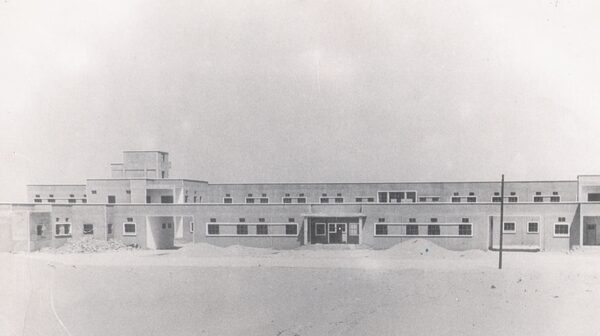
King Saud hospital in Dammam
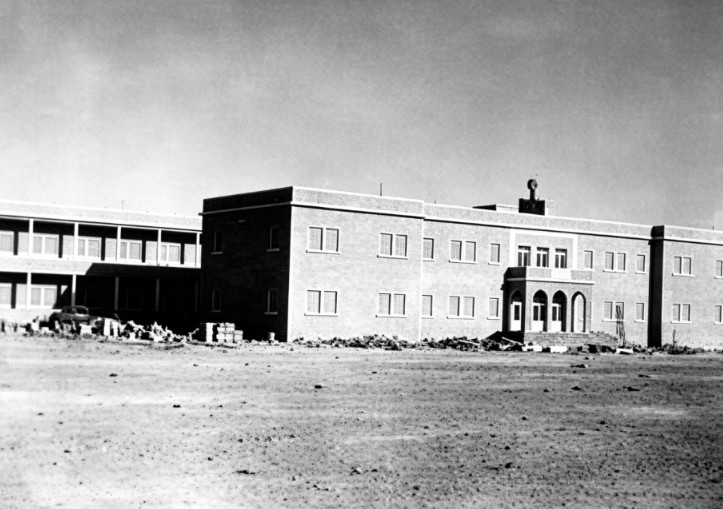
King Abdulaziz Military College, the first Saudi military academy, established on 22 December 1955.

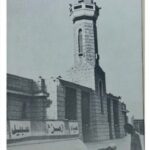
The King Saud Mosque, built by King Saud along the Madinah Road in Jeddah during the construction period of Khuzam Palace in 1956, was designed by engineer Hassan Abu Al‑Futouh. It was later demolished and rebuilt during the reign of King Fahd by the Binladin Company, with the new structure designed by the Egyptian architect Abdel‑Wahid Al‑Wakil.

The original building of the College of Petroleum and Minerals in Dhahran, authorized in 1383 AH under King Saud, and formally opened in 1384 AH during the reign of King Faisal, marking the foundational phase of what would later become one of the Kingdom’s foremost scientific institutions.
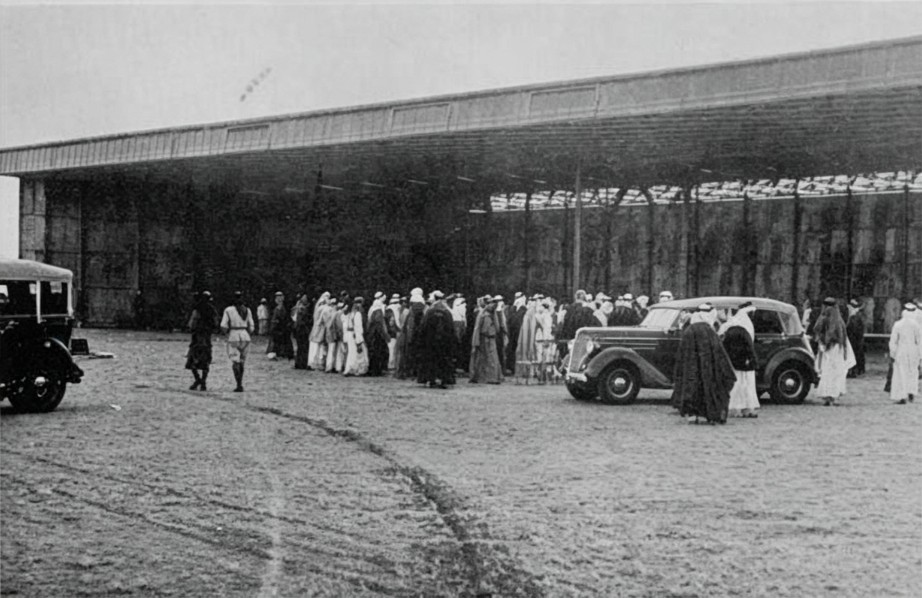
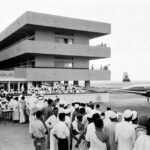
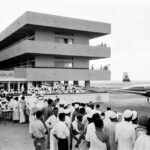
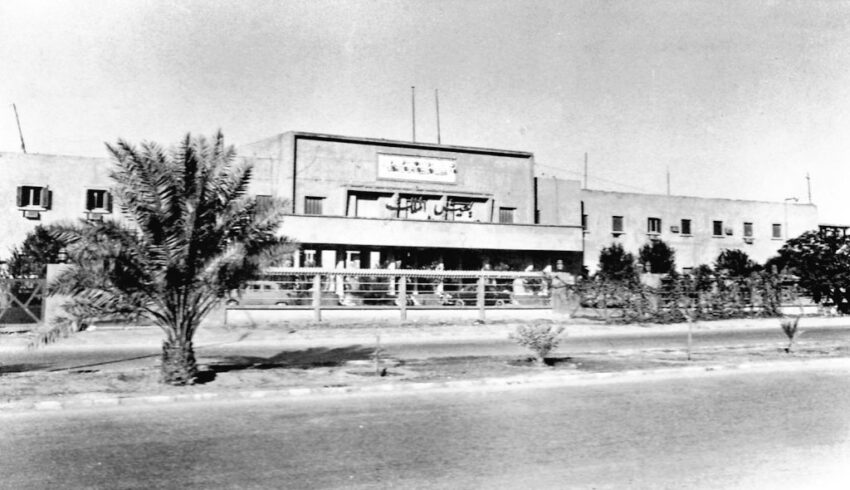
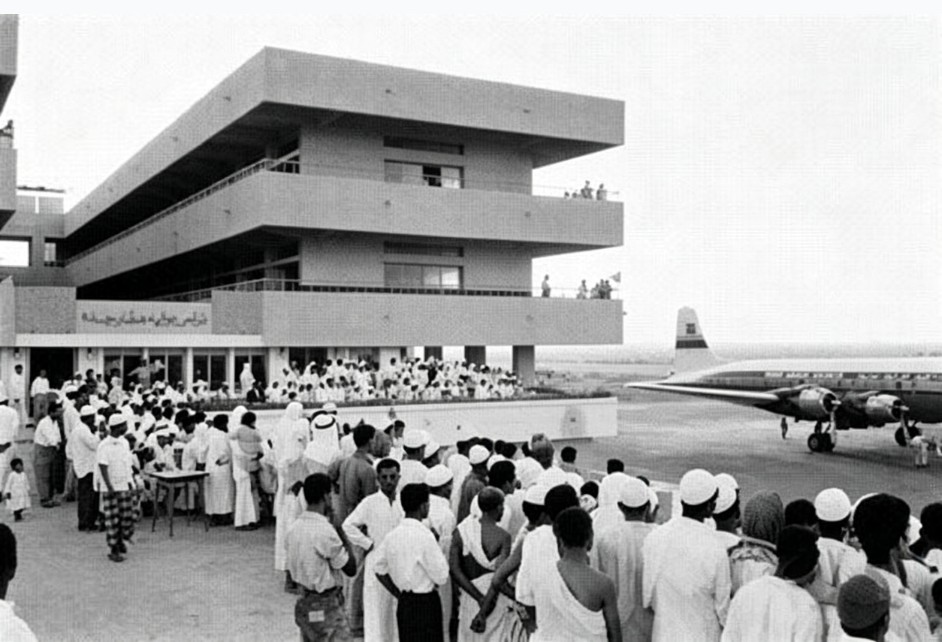
The opening ceremony of Jeddah’s first airport in Al‑Kandarah, ordered by King Abdulaziz in 1946 and inaugurated by Crown Prince Saud in 1952. It was the first airport of Saudi Arabian Airlines.
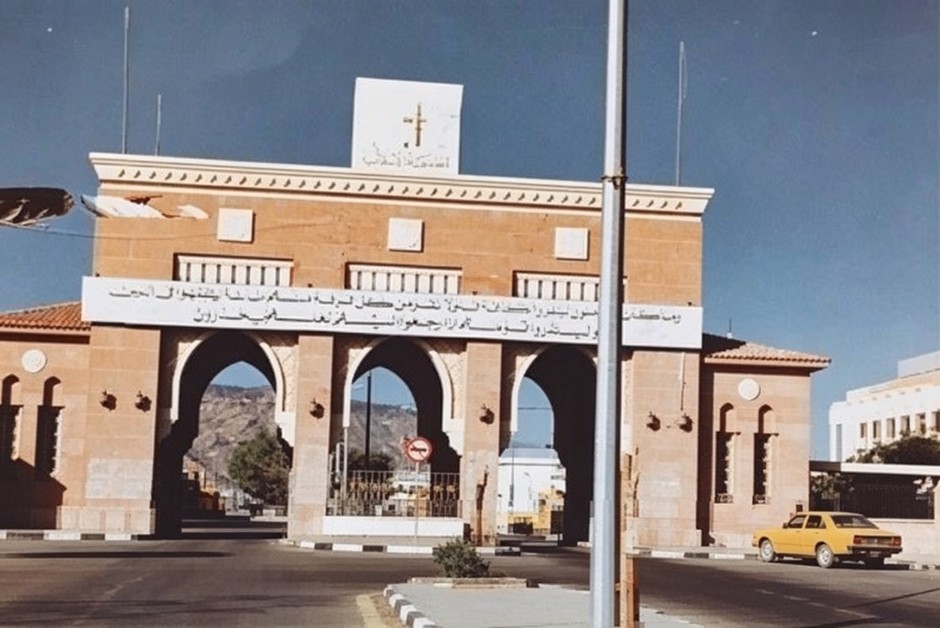
The gate of the Islamic University in Sultanah - in the city of Al-Madinah, established by King Saud under a Royal Decree on 25 Rabi‘ al‑Awwal 1381 AH (6 September 1962), who also granted its buildings beside his palace. At its opening he declared: “I have deemed it my duty to serve the Two Holy Mosques and to begin the work of spreading the Islamic call.”

Another photograph of the gate of the Islamic University in Sultanah.

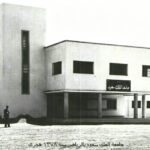
King Abdulaziz College in Riyadh, established and inaugurated by King Saud in 1375 AH.

The King Saud Mosque, built by King Saud within his palace complex in Al‑Nasiriyah, stood near the Royal Diwan at the palace gate and was the place where he performed his prayers.
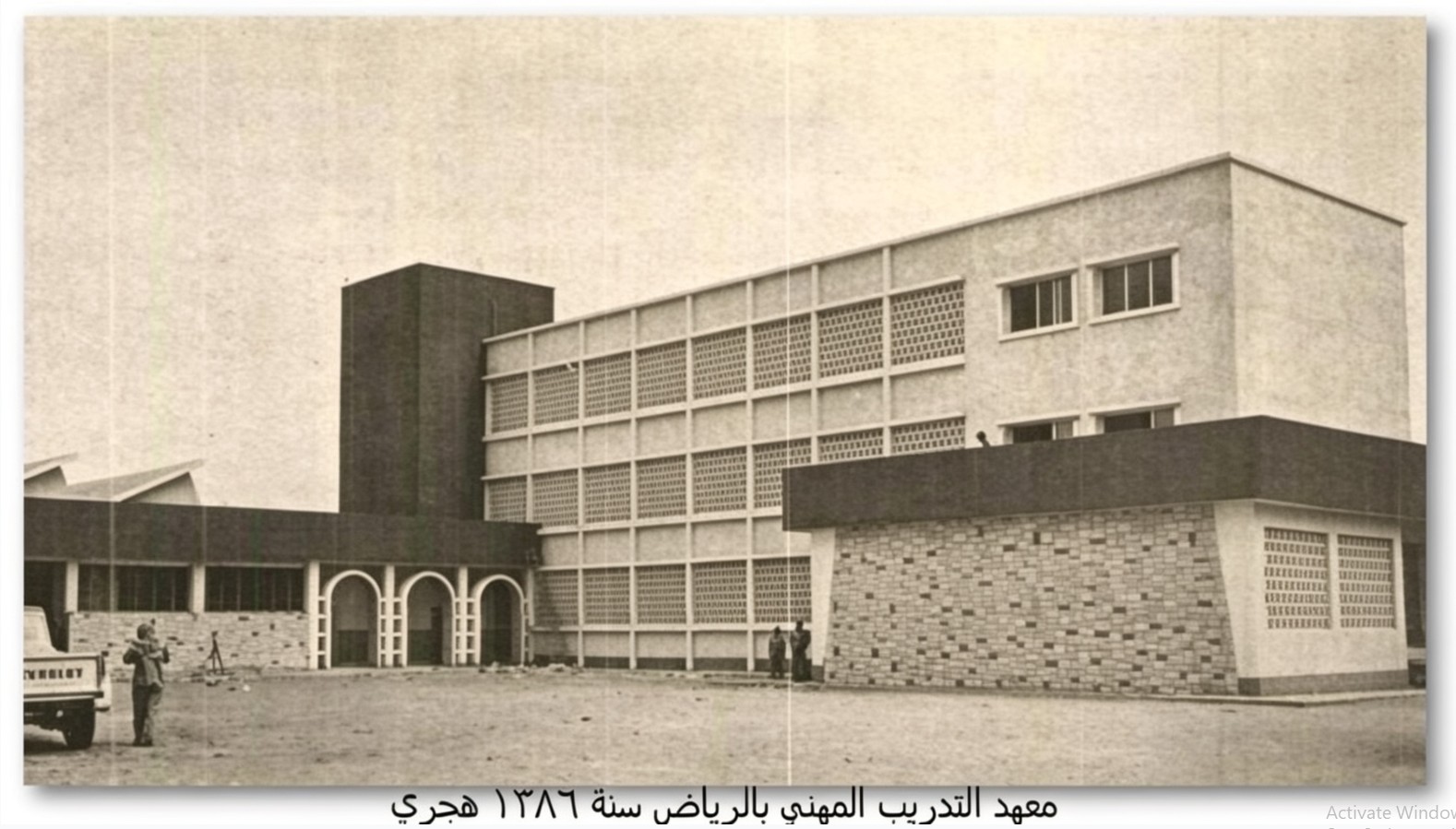
Architectural heritage during the reign of King Saud.

Architectural heritage during the reign of King Saud.
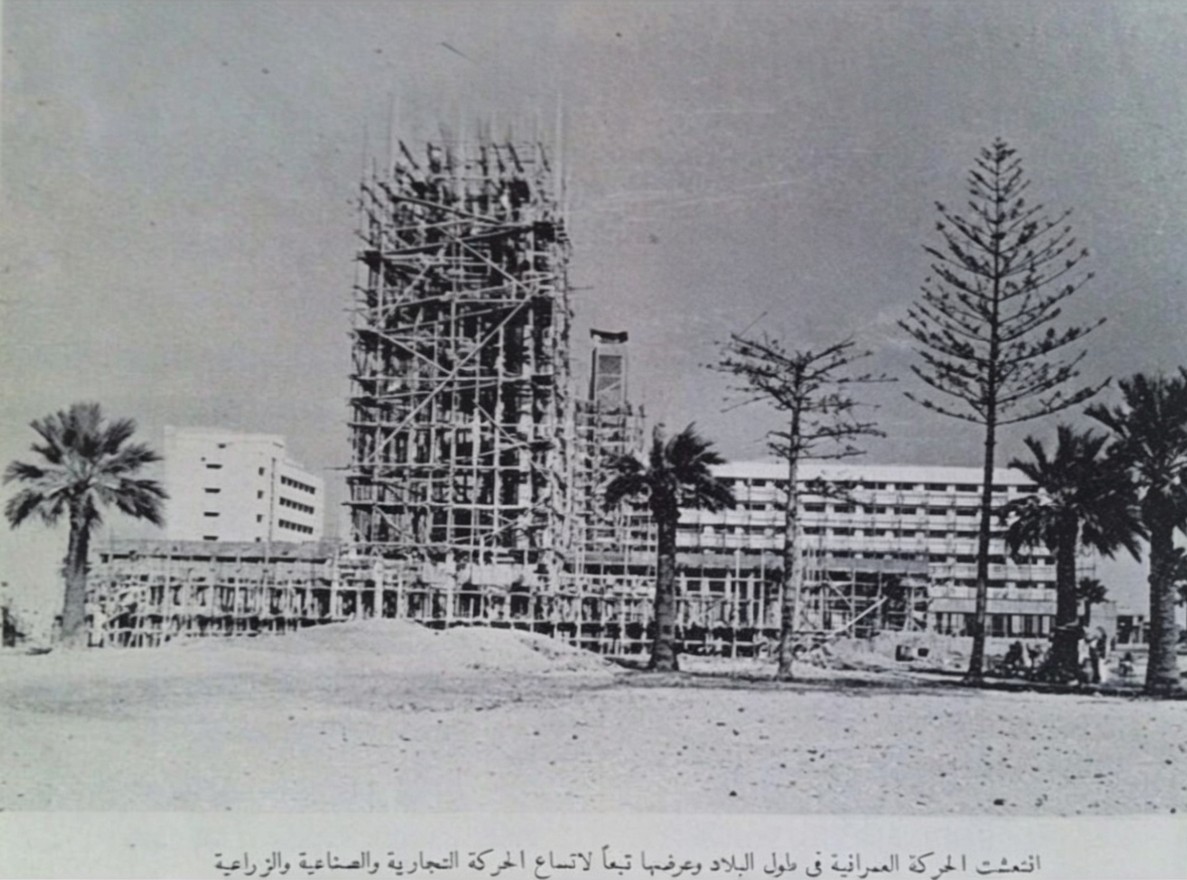
The architectural renaissance during the reign of King Saud.

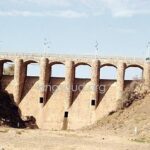
Wadi Nimar Dam.

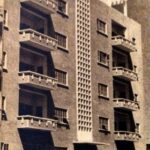
Modern commercial houses in Jeddah in 1955.
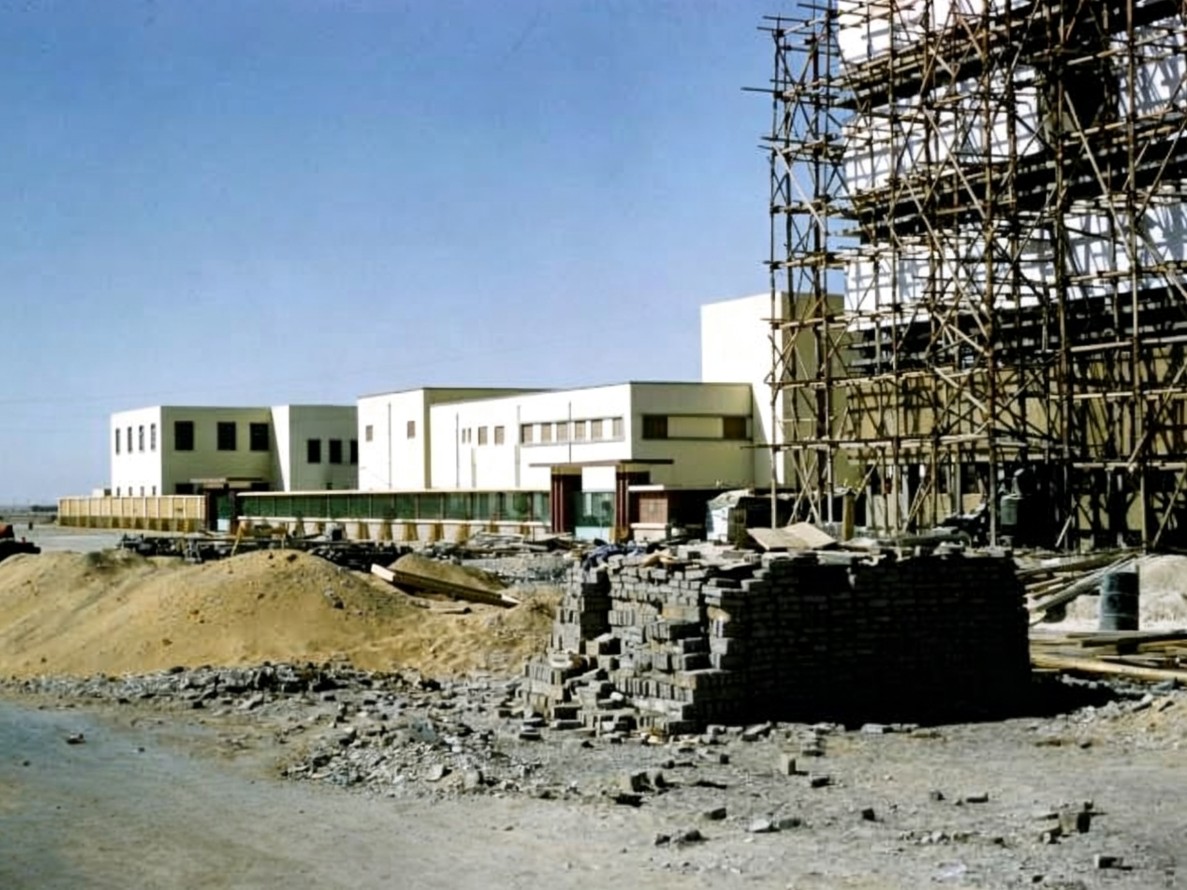
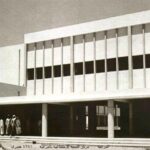
Buildings constructed during the reign of King Saud.

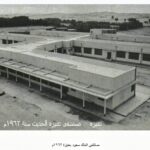
The Jeddah Quarantine Station (al‑Mahjar al‑Ṣaḥī).
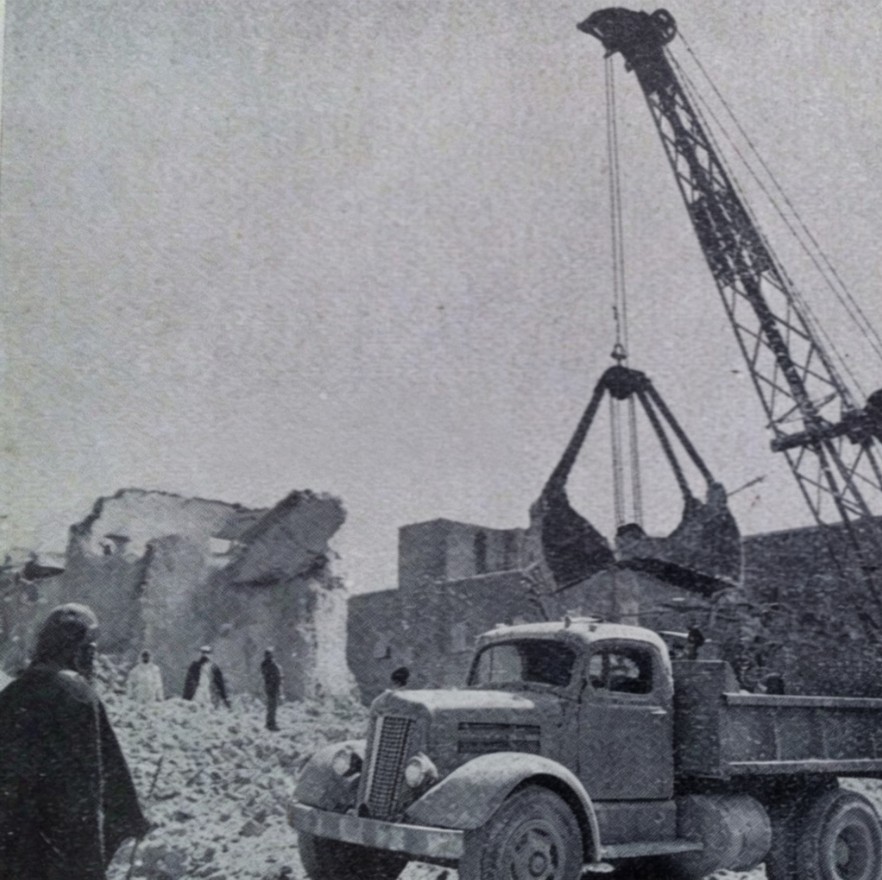
The architectural renaissance during the reign of King Saud.
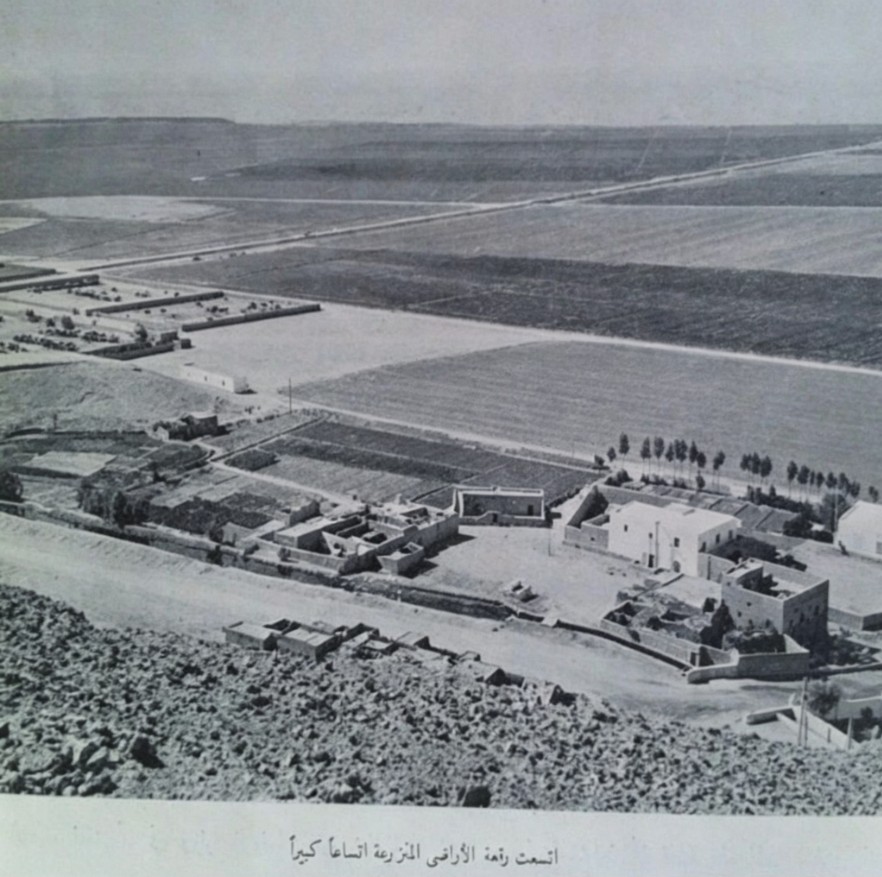
The architectural renaissance during the reign of King Saud.

The architectural renaissance during the reign of King Saud.

The architectural renaissance during the reign of King Saud.

The architectural renaissance during the reign of King Saud - The Khuzam Palace garden

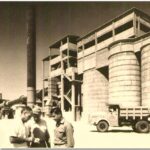
Arabian Cement Company.

A naval shipyard for repairing and building small vessels, with one of the patrol craft seen under construction.

A vineyard from the abundant grape farms of Taif, part of the region’s longstanding tradition of highland agriculture and its renowned cultivation of premium grapes.

The major preparations for well‑drilling operations in Al‑Madinah al‑Munawwarah.

The architectural renaissance during the reign of King Saud.

The architectural renaissance during the reign of King Saud.

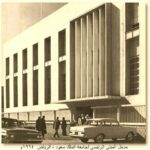
The Press, Printing and Publication Corporation located on Makkah Road.

The Port of Dammam, inaugurated by King Saud—may God have mercy on him—with a total length of seven miles.

The architectural renaissance during the reign of King Saud.

Central Riyadh, showing the Imam Turki bin Abdullah Mosque in the Qasr al‑Hukm district, which was rebuilt.

The architectural renaissance during the reign of King Saud.

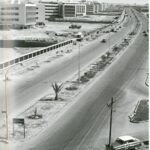
King Saud road

The water reservoir of Qasr Khuzam, built by King Saud in 1956, a notable element of his architectural legacy.
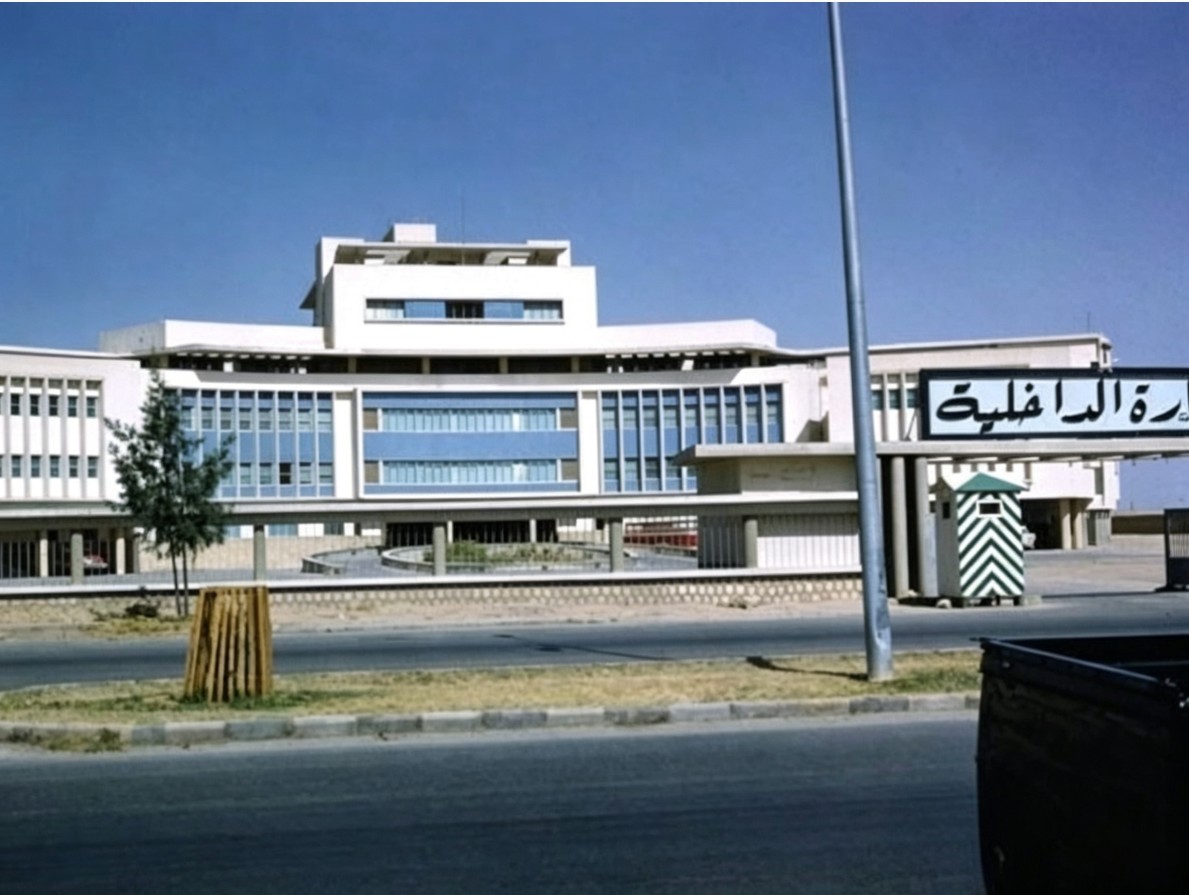
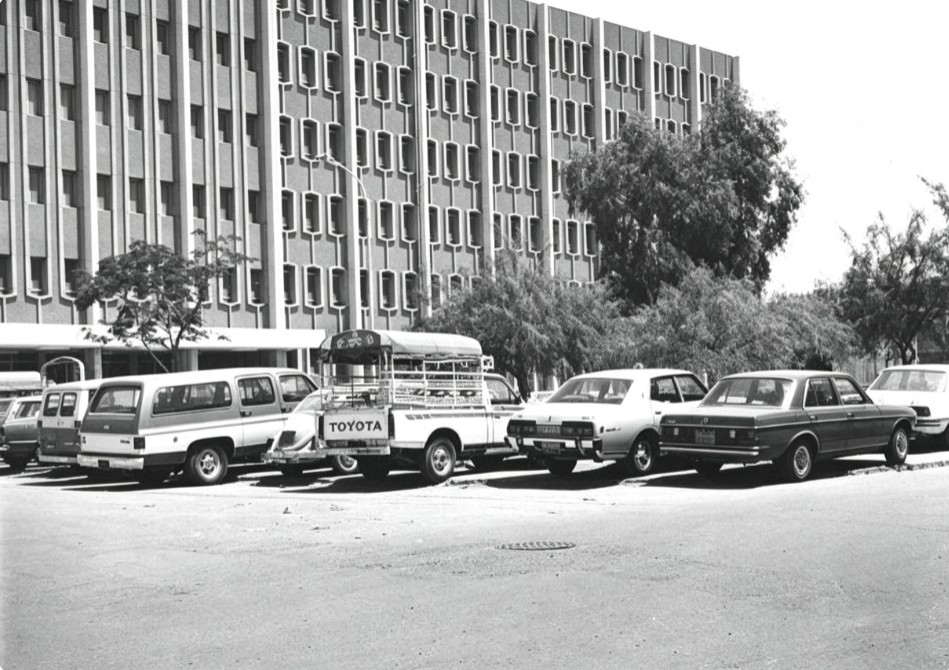
The Ministry of Interior (1961) in Riyadh, constructed during the reign of King Saud—may God have mercy on him.
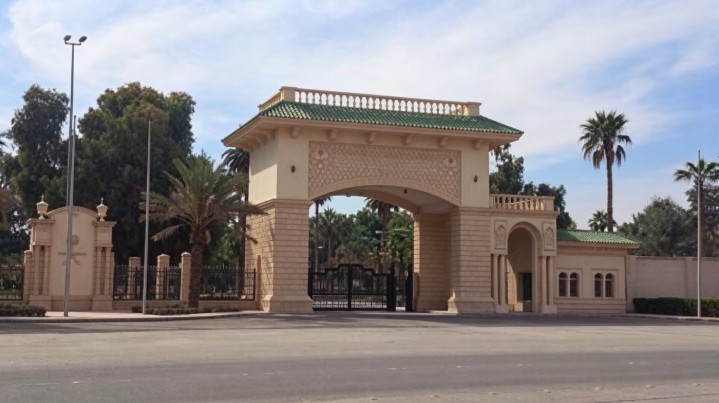
King Saud’s Mosque, which he built within his palace complex in Al‑Nasiriyah, near the Royal Diwan at the palace gate, and where he personally performed his prayers.

King Saud’s Mosque, which he built within his palace in Al‑Nasiriyah, near the Royal Diwan at the palace gate, and where he personally performed his prayers.

The Saudi Construction Company, founded in Jeddah by Abdulrahman Surur Al‑Sabban.
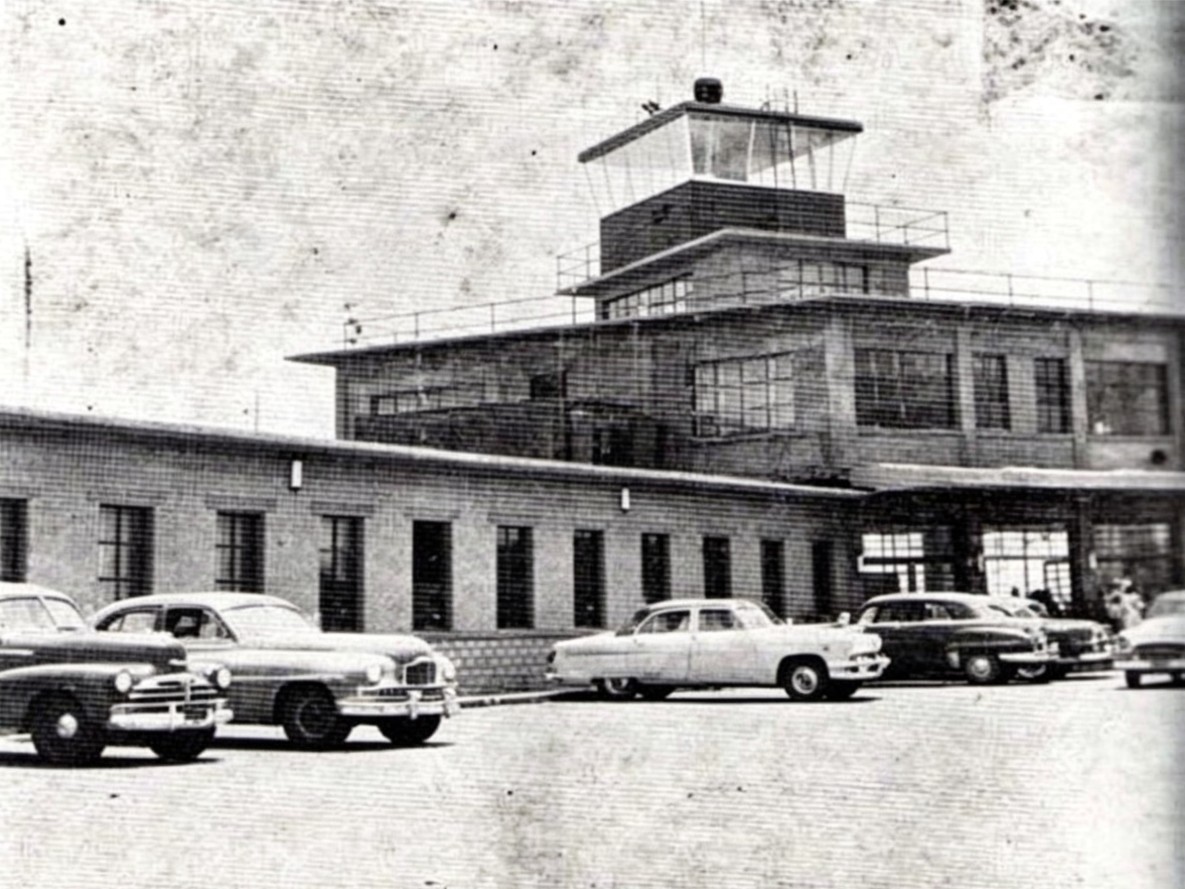
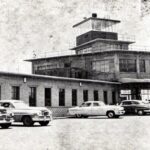
King Abdulaziz Airport in Jeddah, established in 1955 during the reign of King Saud—may God have mercy on him.

Jeddah Airport in 1961.
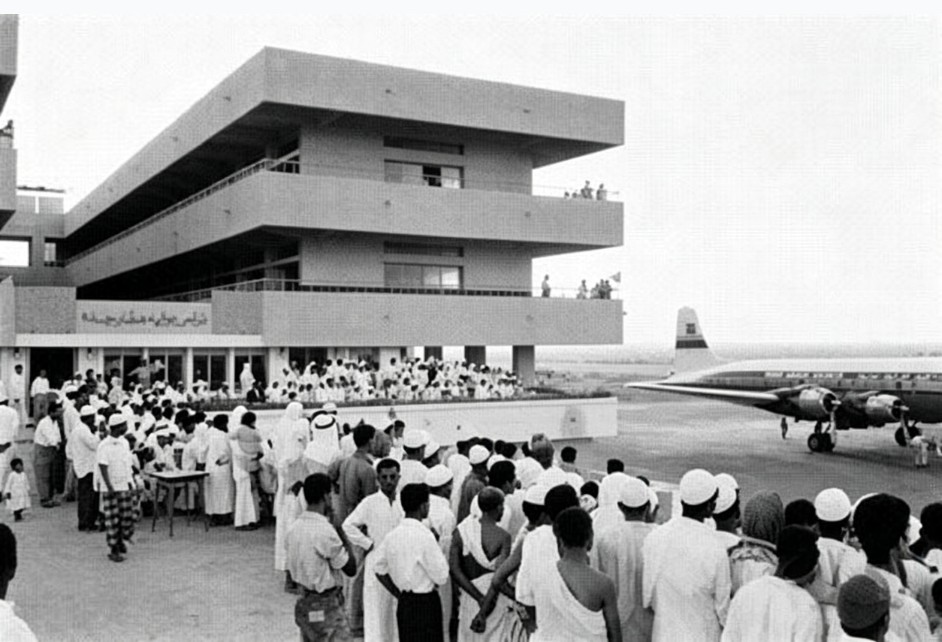
Jeddah Airport in 1961.
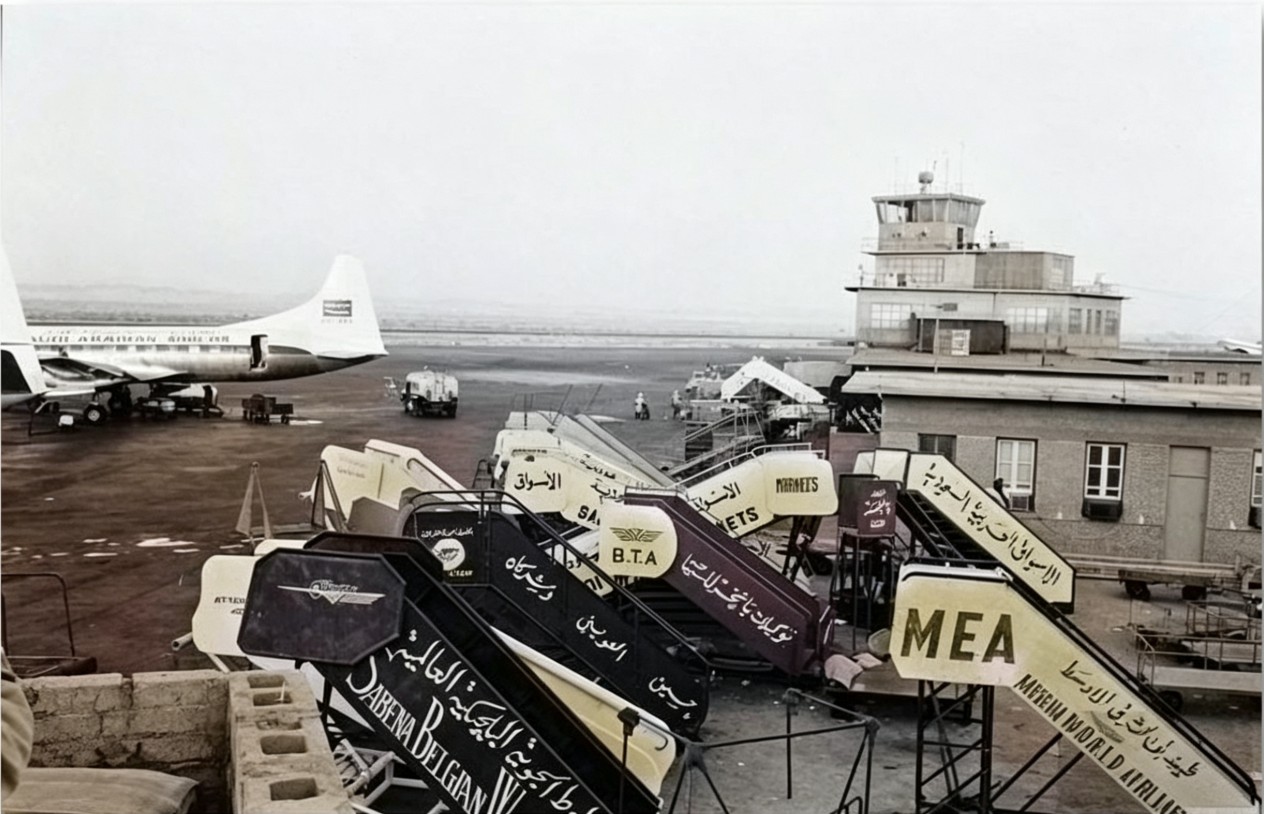
Jeddah Airport in 1961.
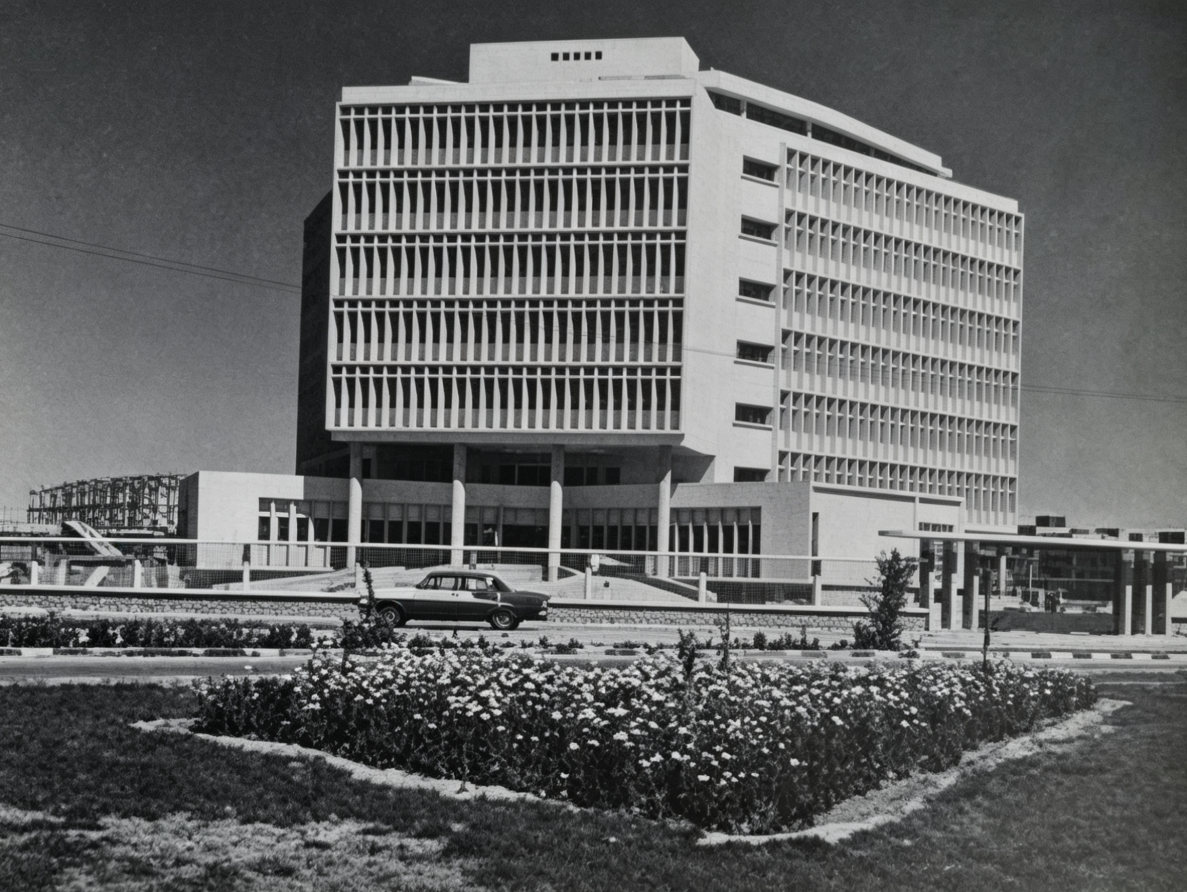
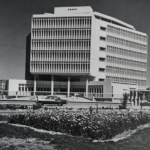
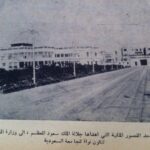
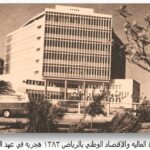
The Municipality of the Holy Capital building and the Ministry of Finance and National Economy, constructed during the reign of King Saud—may God have mercy on him.
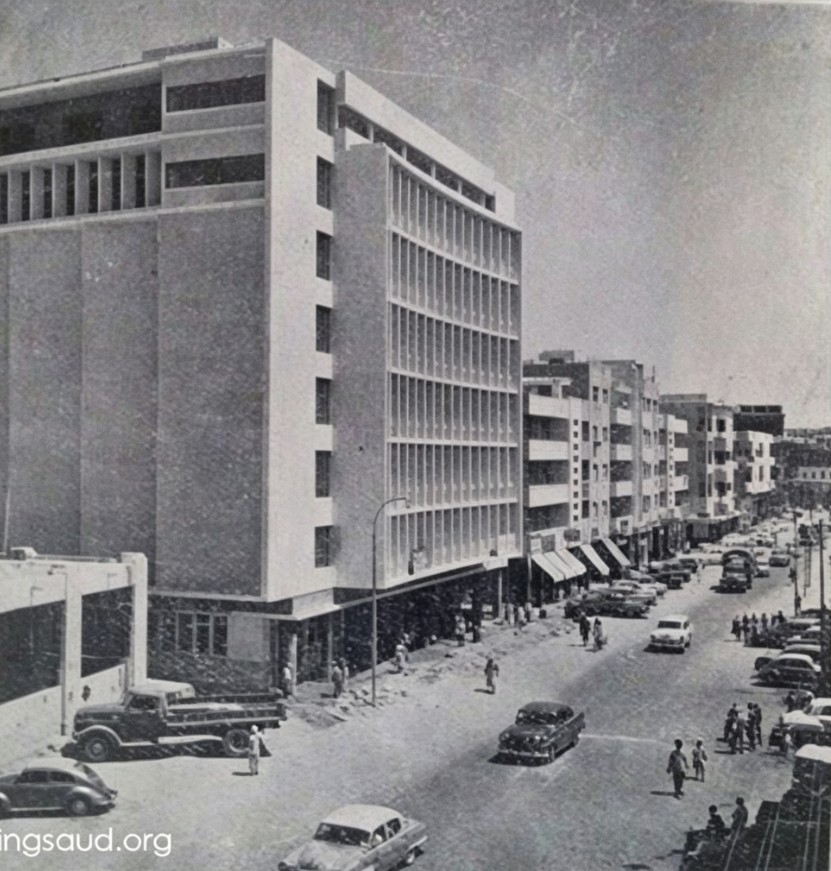
The Ministry of Foreign Affairs building in Jeddah, constructed during the reign of King Saud—may God have mercy on him.

Al‑Hada Road in Taif, the mountain route whose construction was ordered by King Saud—may God have mercy on him.

Al‑Hada Road in Taif, the mountain pass whose construction was ordered by King Saud—may God have mercy on him.

Al‑Hada Road in Taif, the mountain pass whose construction was ordered by King Saud—may God have mercy on him.

The Ministry of Foreign Affairs building in Jeddah, constructed during the reign of King Saud—may God have mercy on him.

The architectural renaissance during the reign of King Saud.
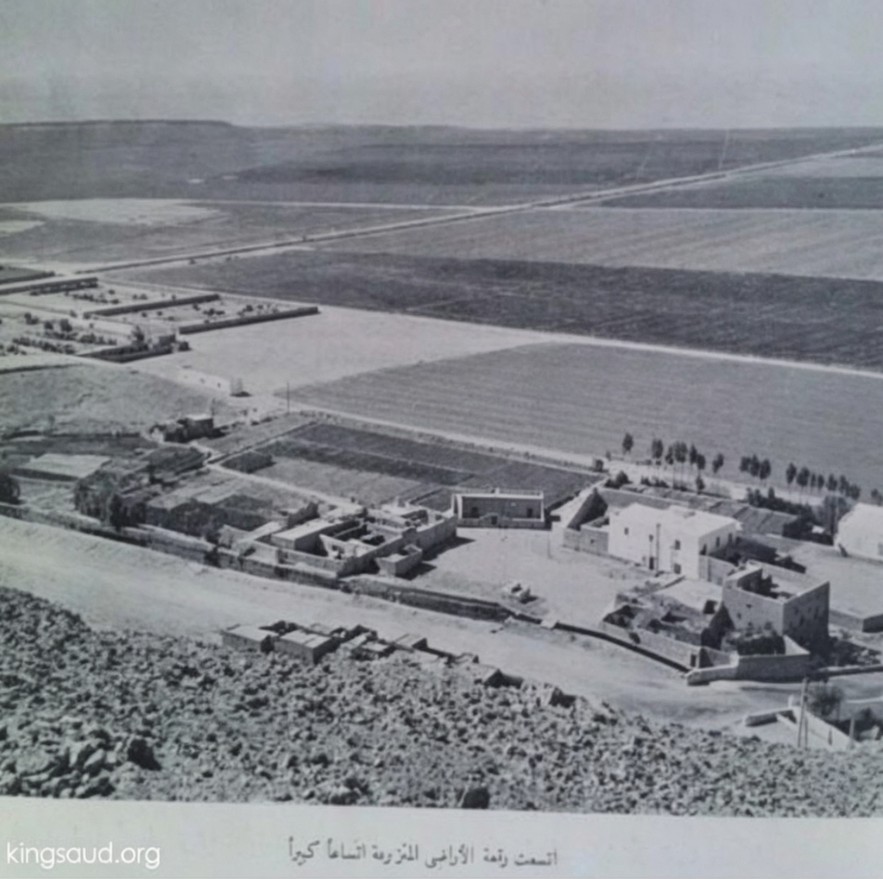
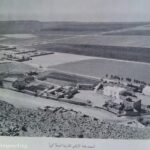
The expansion of agricultural land, reflecting the broadening cultivation zones and the steady growth of cultivated green areas during the reign of King Saud — may God have mercy on him
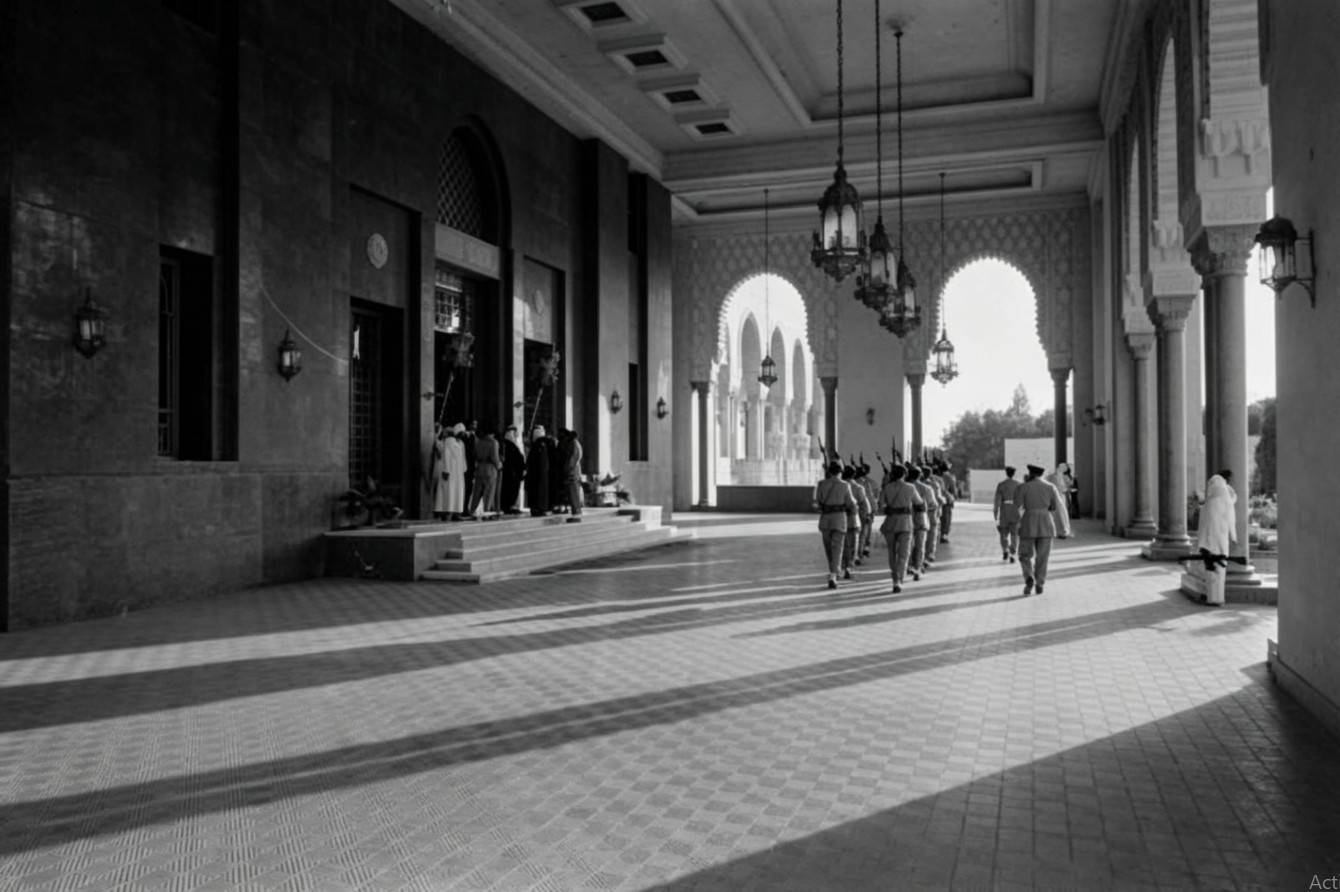
The architectural renaissance during the reign of King Saud.
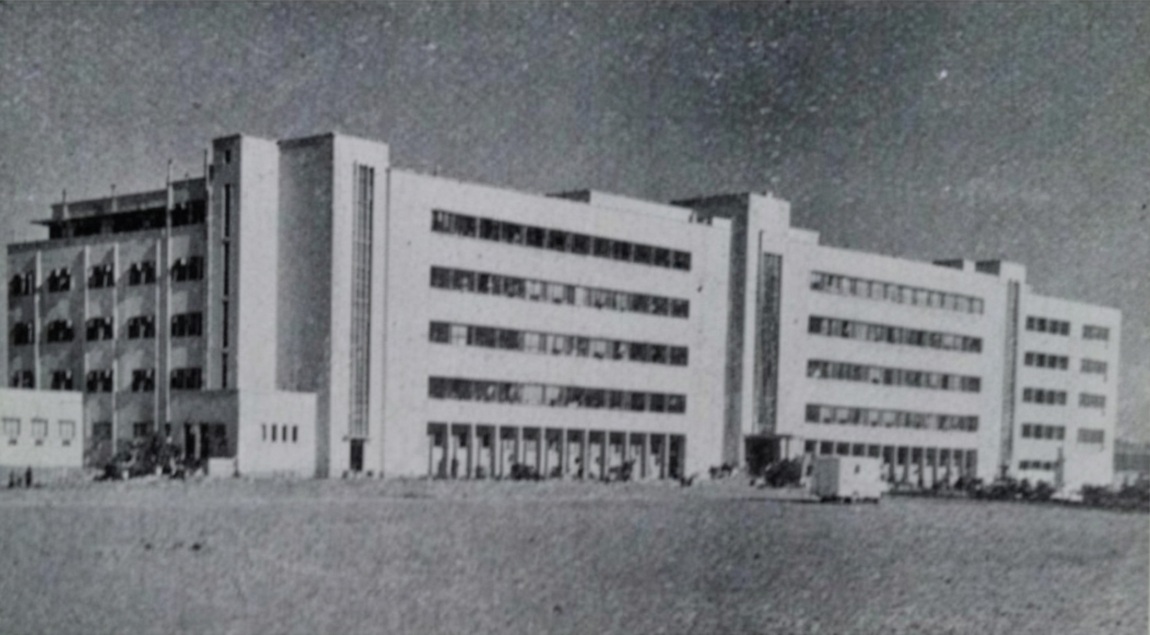
King Saud Hospital — the first Hospital in Al‑Shumaisi area - Riyadh, regarded as the first hospital in Saudi Arabia.
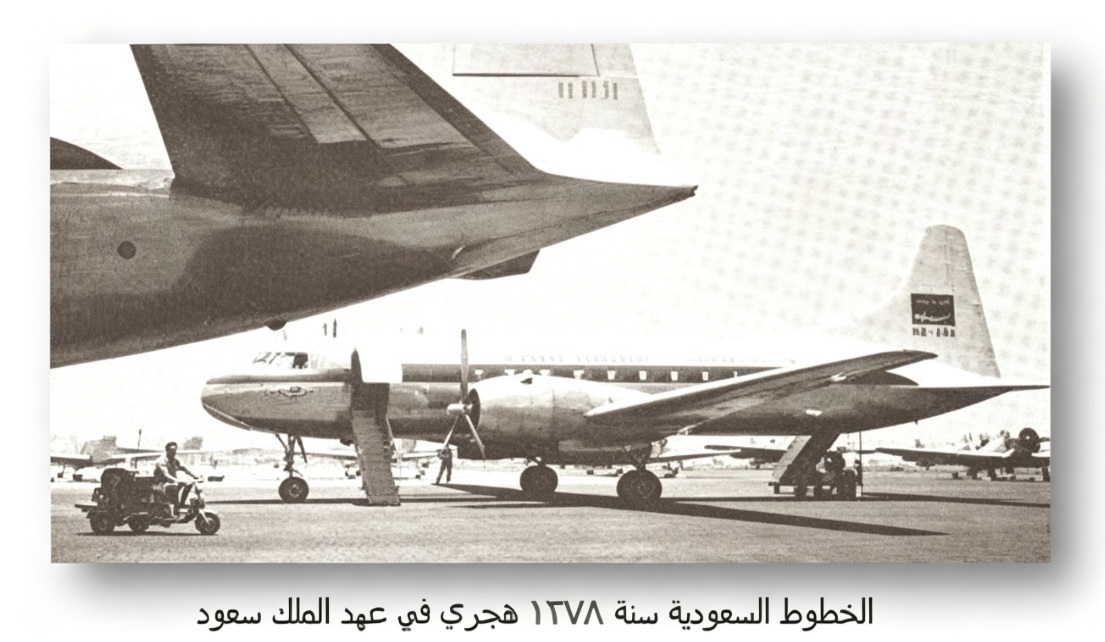
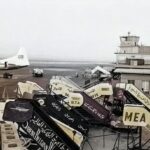
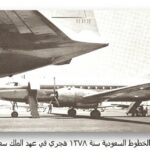
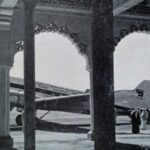
Saudi Arabian Airlines during the reign of King Saud—may God have mercy on him.

Saudi Arabian Airlines during the reign of King Saud—may God have mercy on him.
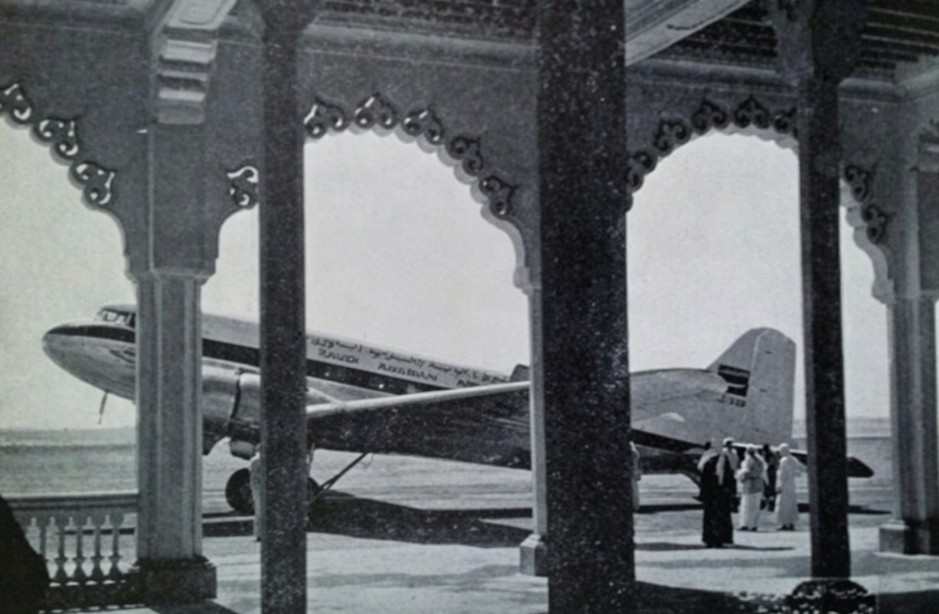
Saudi Arabian Airlines during the reign of King Saud—may God have mercy on him.

King Saud’s construction of "The Pilgrims’ City" in Jeddah in 1959, a major facility built to serve pilgrims.

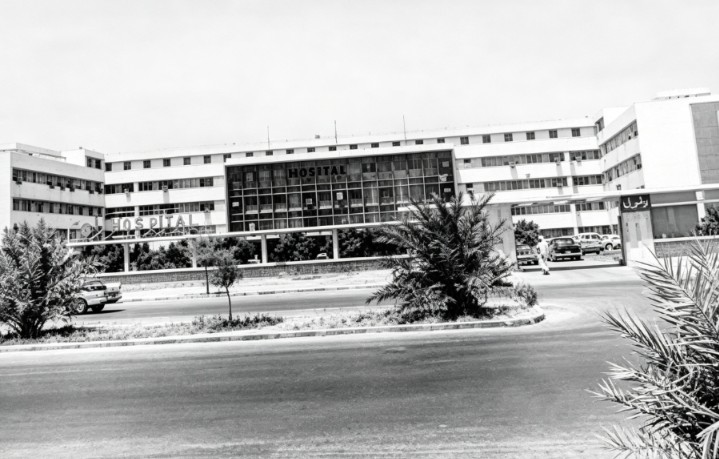
Riyadh Central Hospital in Al‑Shumaisi—later known as King Saud Medical City—during the early 1390s AH, one of the Kingdom’s most important medical institutions in the era of King Saud—may God have mercy on him.

Buraidah Hospital in Al‑Qassim, established during the reign of King Saud—may God have mercy on him.
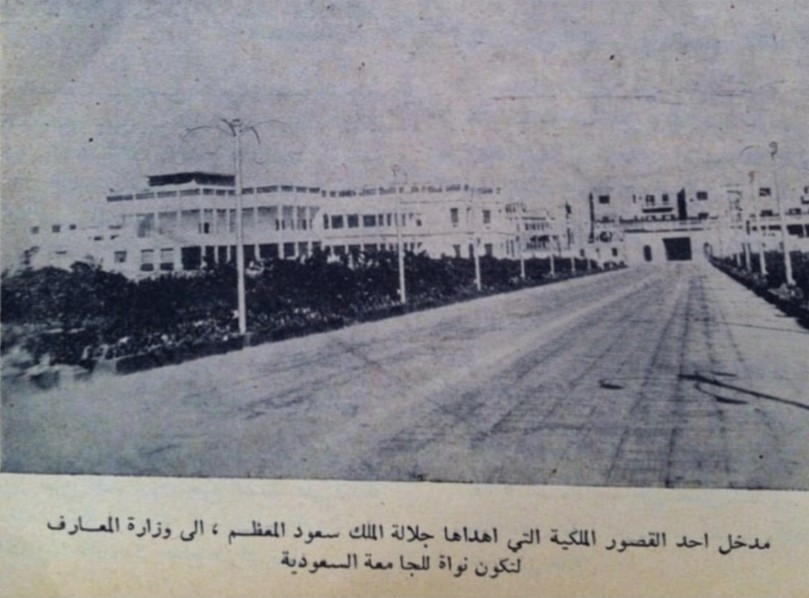
The Seven Palaces in Jeddah that King Saud —may God have mercy on him— donated to the Ministry of Education, along with additional palaces he granted to King Saud University.
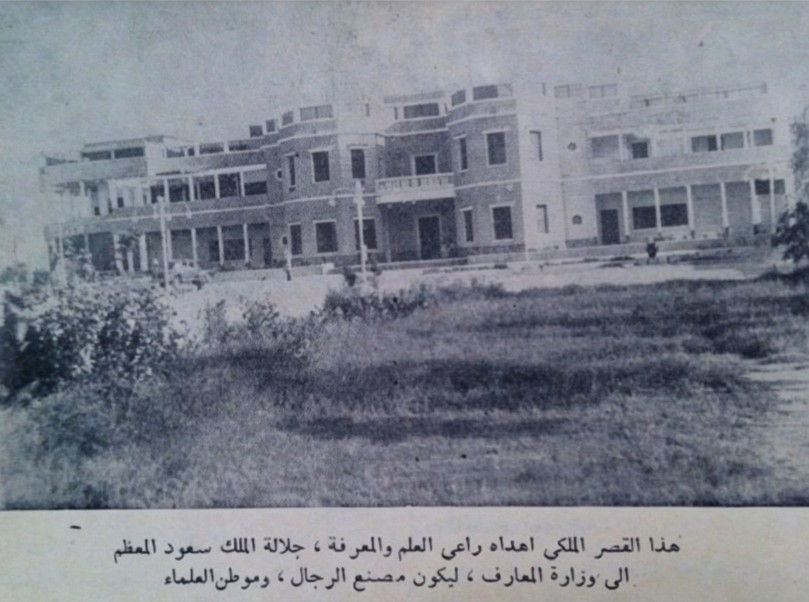
The Seven Palaces in Jeddah that King Saud —may God have mercy on him— donated to the Ministry of Education, along with additional palaces he granted to King Saud University.

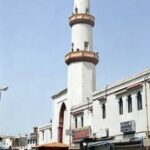
King Saud Mosque in Riyadh.

The architectural renaissance during the reign of King Saud.

The tower of King Saud’s palace in Khalij Salman, Jeddah, remembered fondly by locals
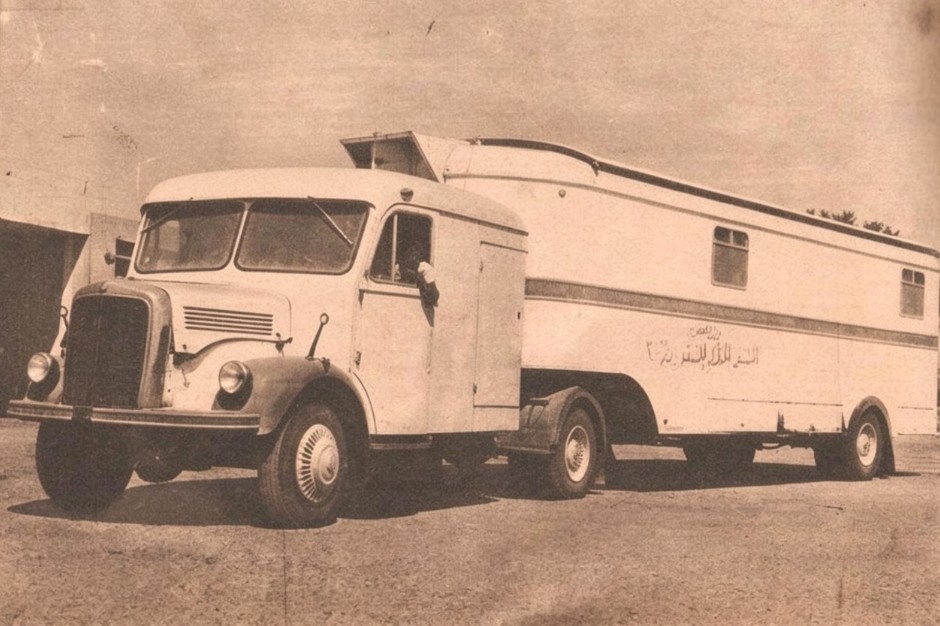
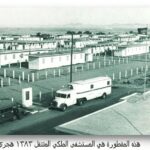
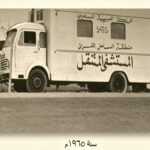
The Royal Mobile Hospital, established in 1383 AH, one of the notable medical initiatives of King Saud’s reign, providing advanced field healthcare to remote regions.
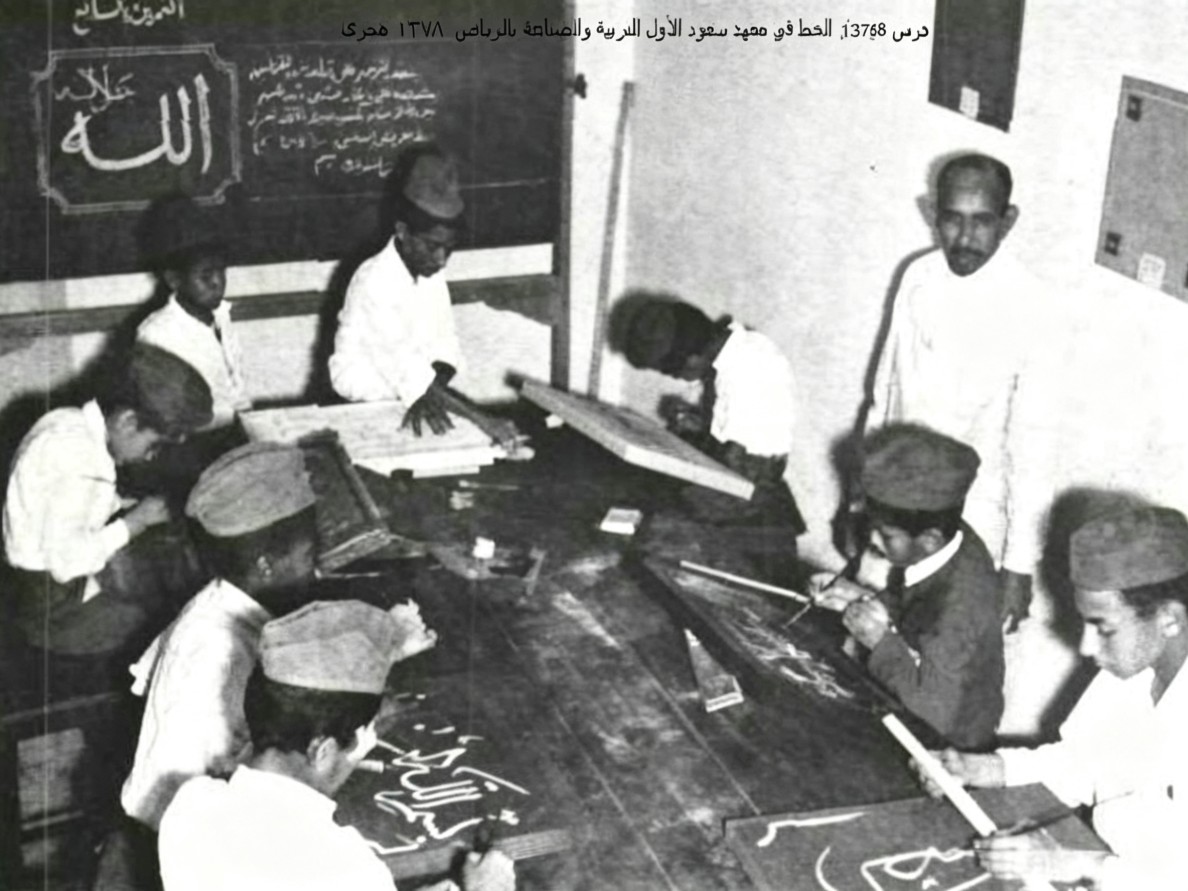
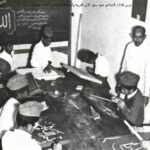
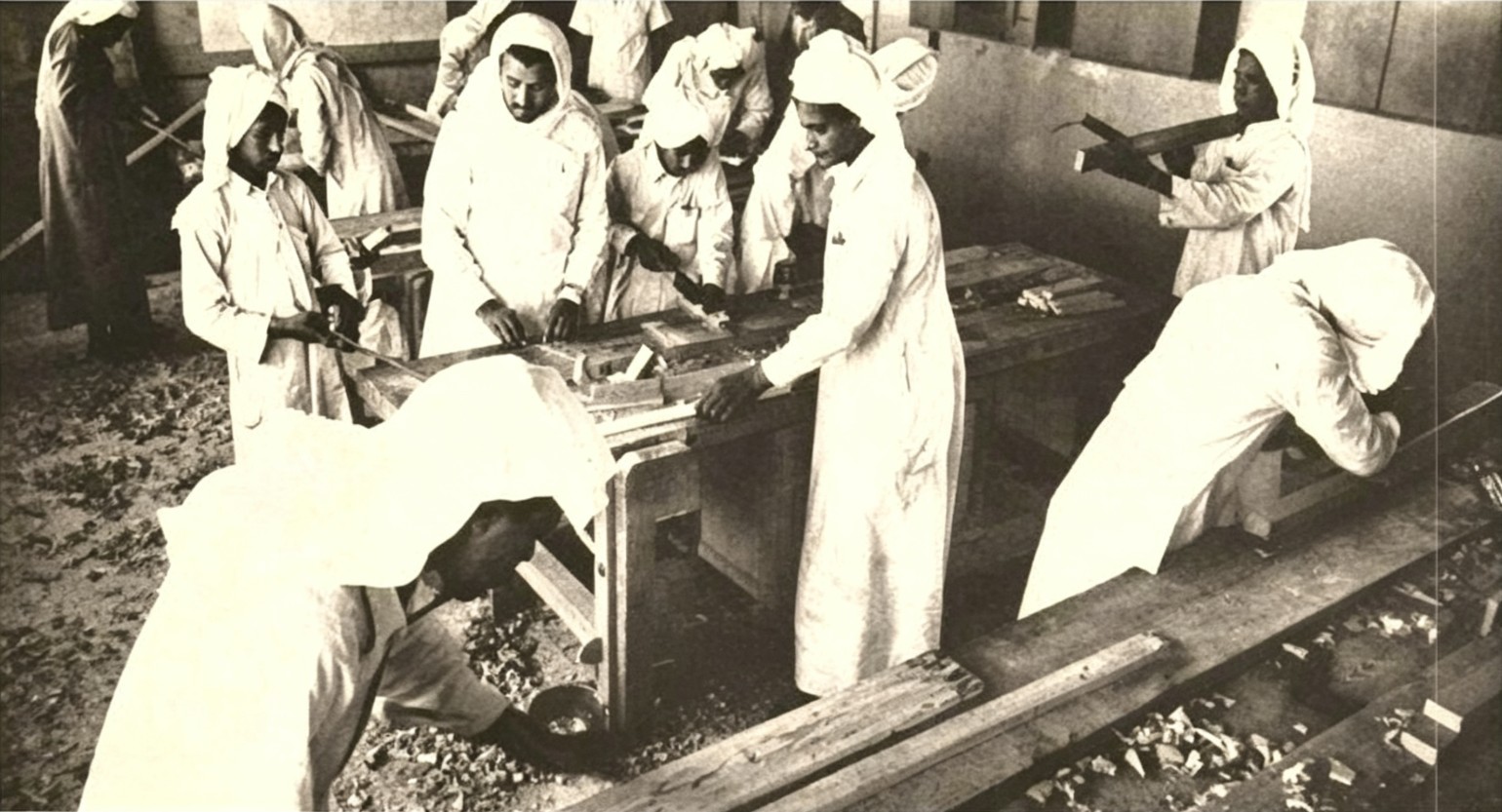
A lesson in Arabic calligraphy at the First Saud Institute for Education and Industry in Riyadh, held in 1378 AH, reflecting the early educational focus on arts and crafts during the reign of King Saud.

King Saud with his sons Princes Sultan, Thamir, and Mansour at the inauguration of the Cement Factory in 1962, a key milestone in the Kingdom’s early industrial development.
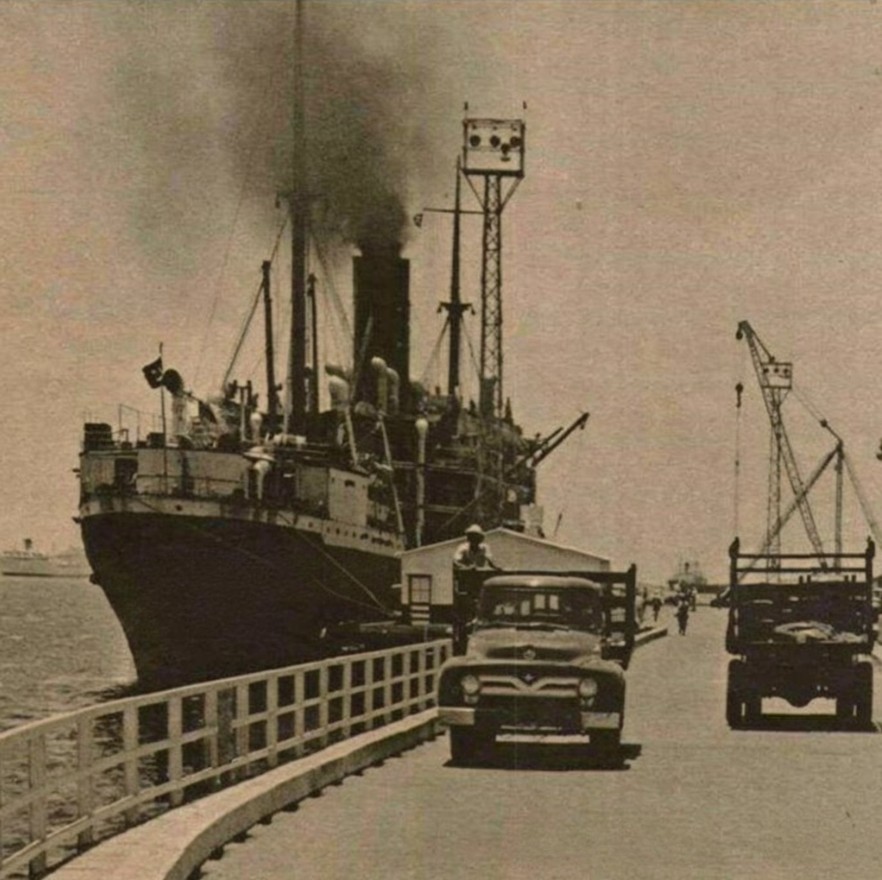
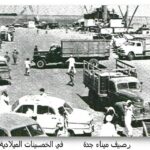
Jeddah Port in 1385 AH
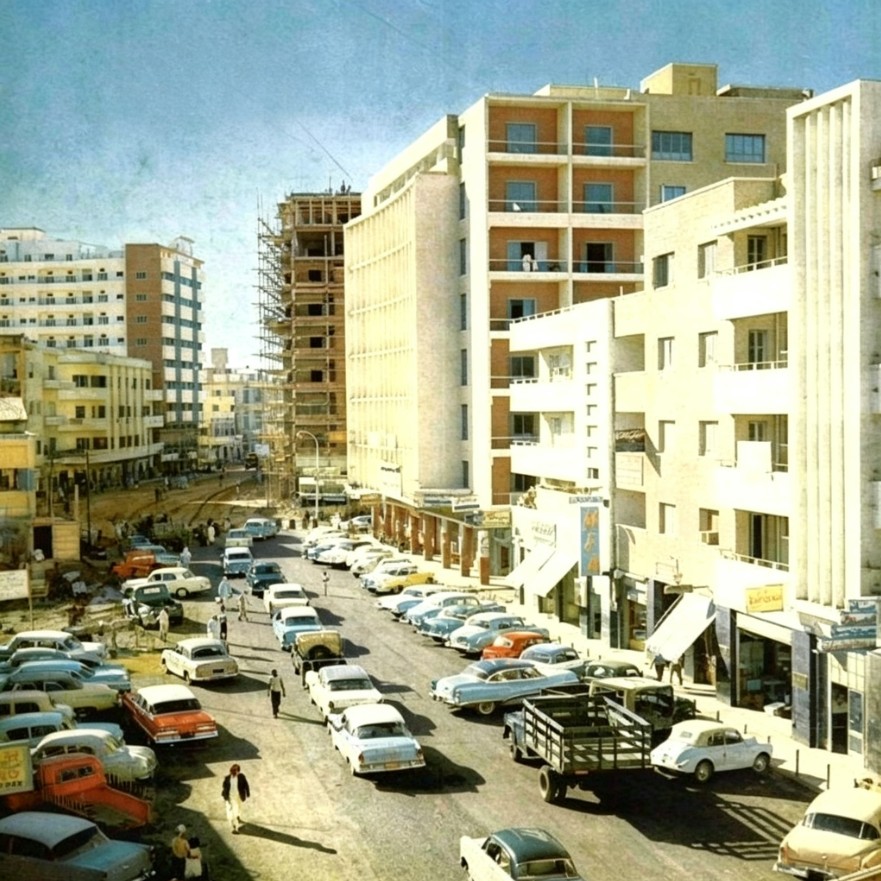
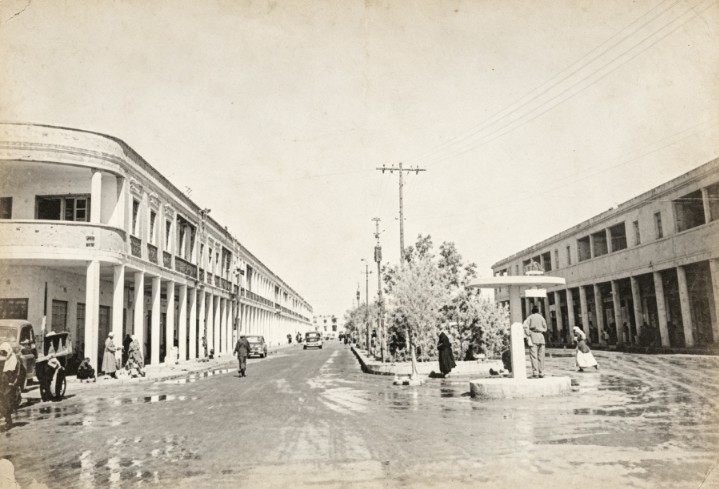
King Abdulaziz Street, Jeddah, 1959.
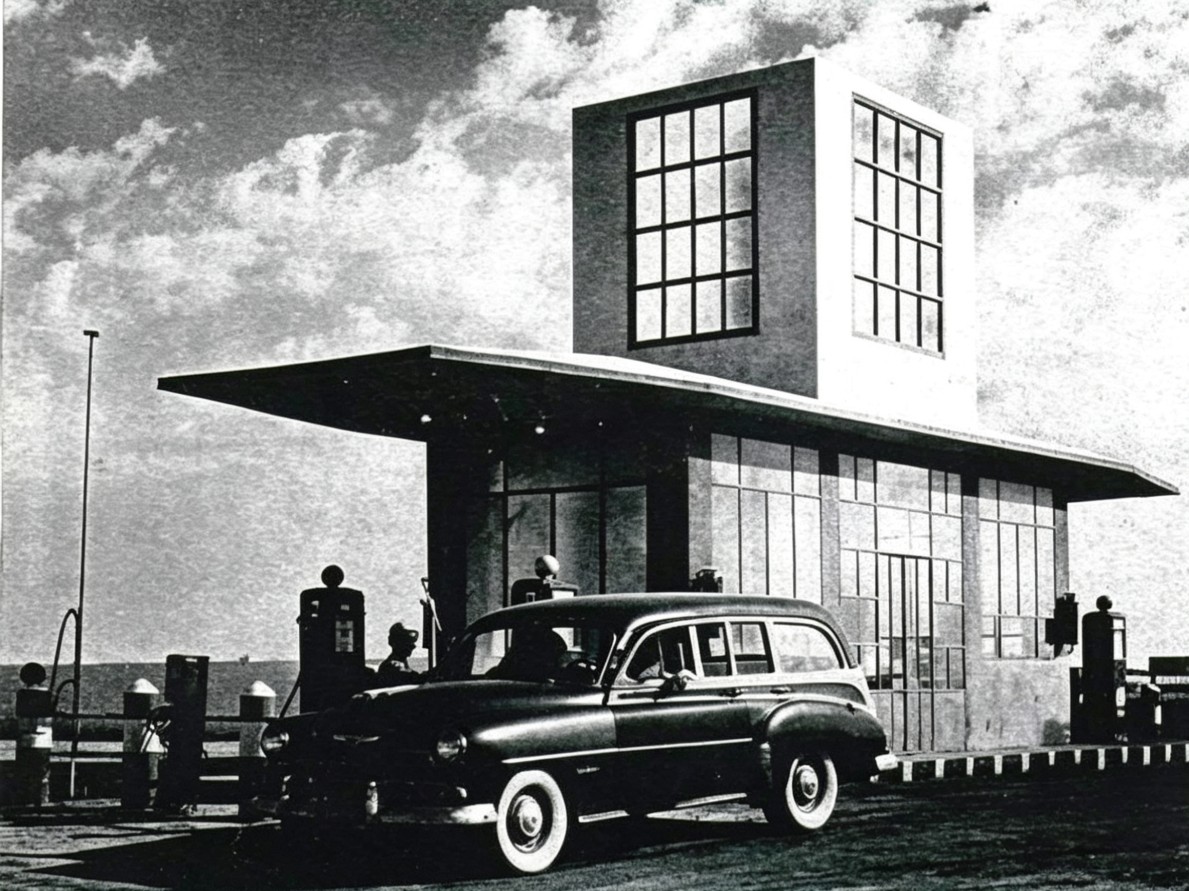
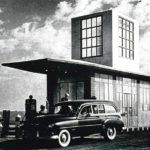
A gasoline station in Jeddah, 1373 AH.
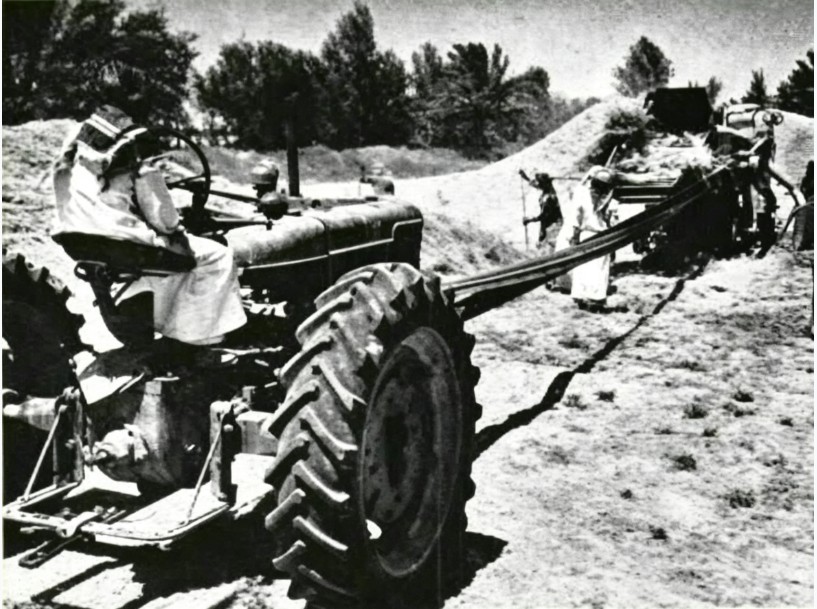
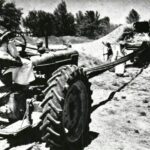
Modern agricultural machinery in Al‑Kharj, 1956.
Buraidah Modern Hospital with physicians’ and nurses’ housing, 1963.
Al‑Rass, 1962.

Taif, 1384 AH.
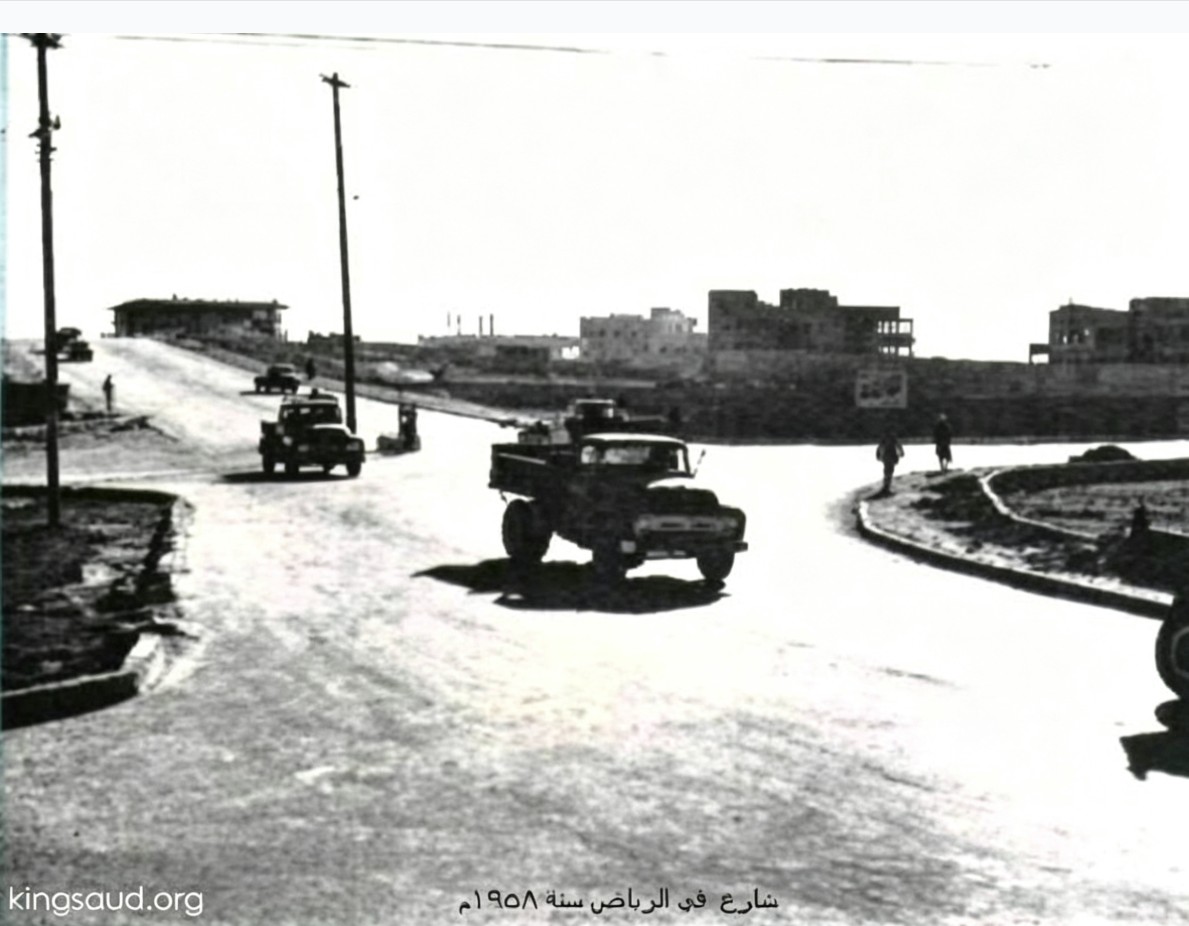
A street in Riyadh, 1958.
Unaizah Modern Hospital, 1962.

Al‑Bathaa Street, Riyadh.
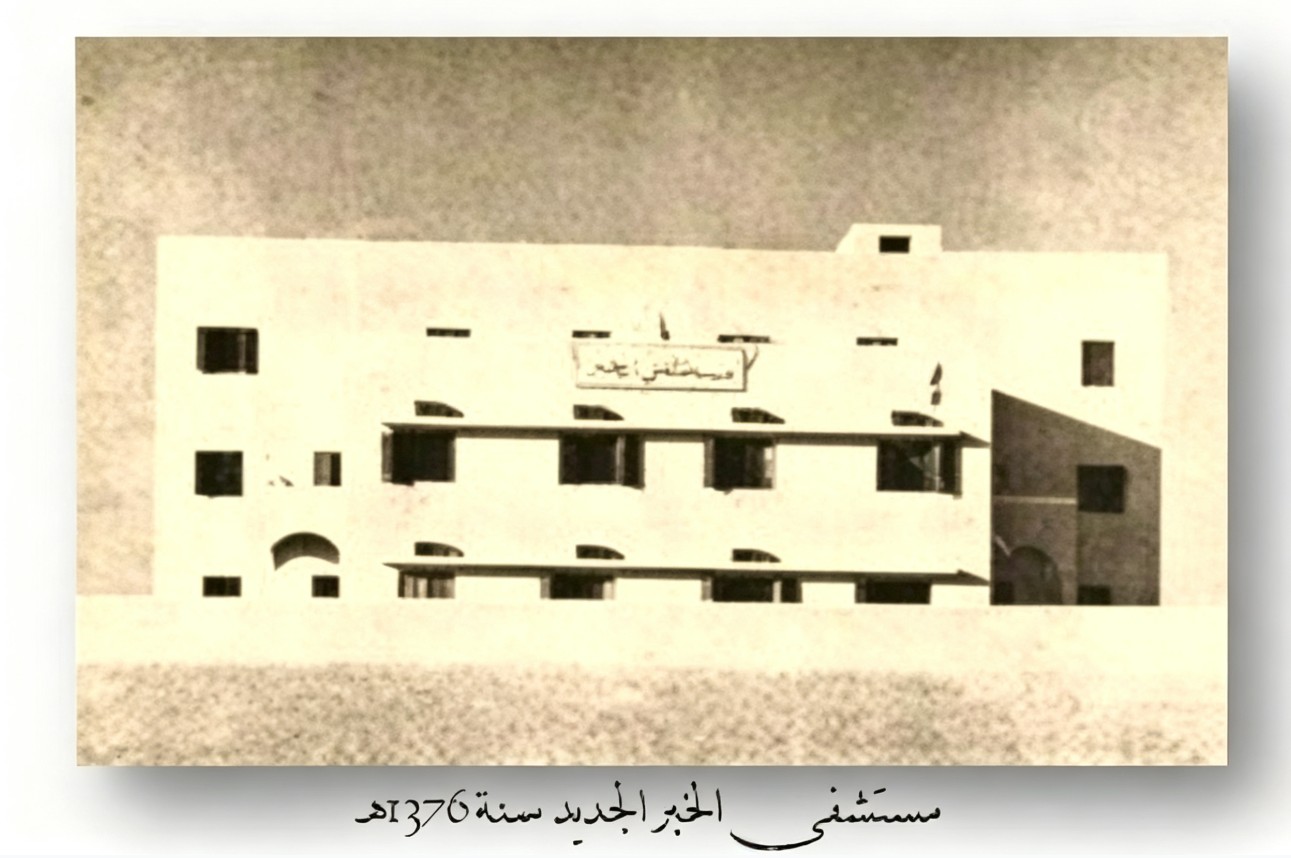
Al‑Khobar New Hospital, 1376 AH.

Al‑Dir‘iyyah, 1964.
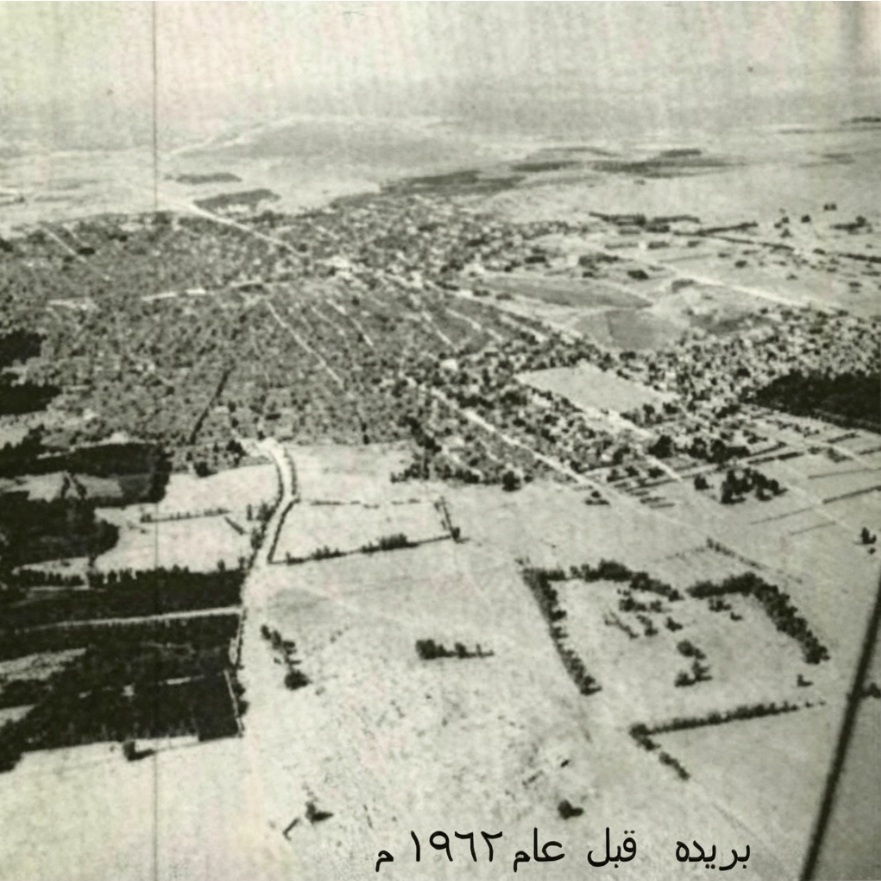
Buraidah, before 1962.
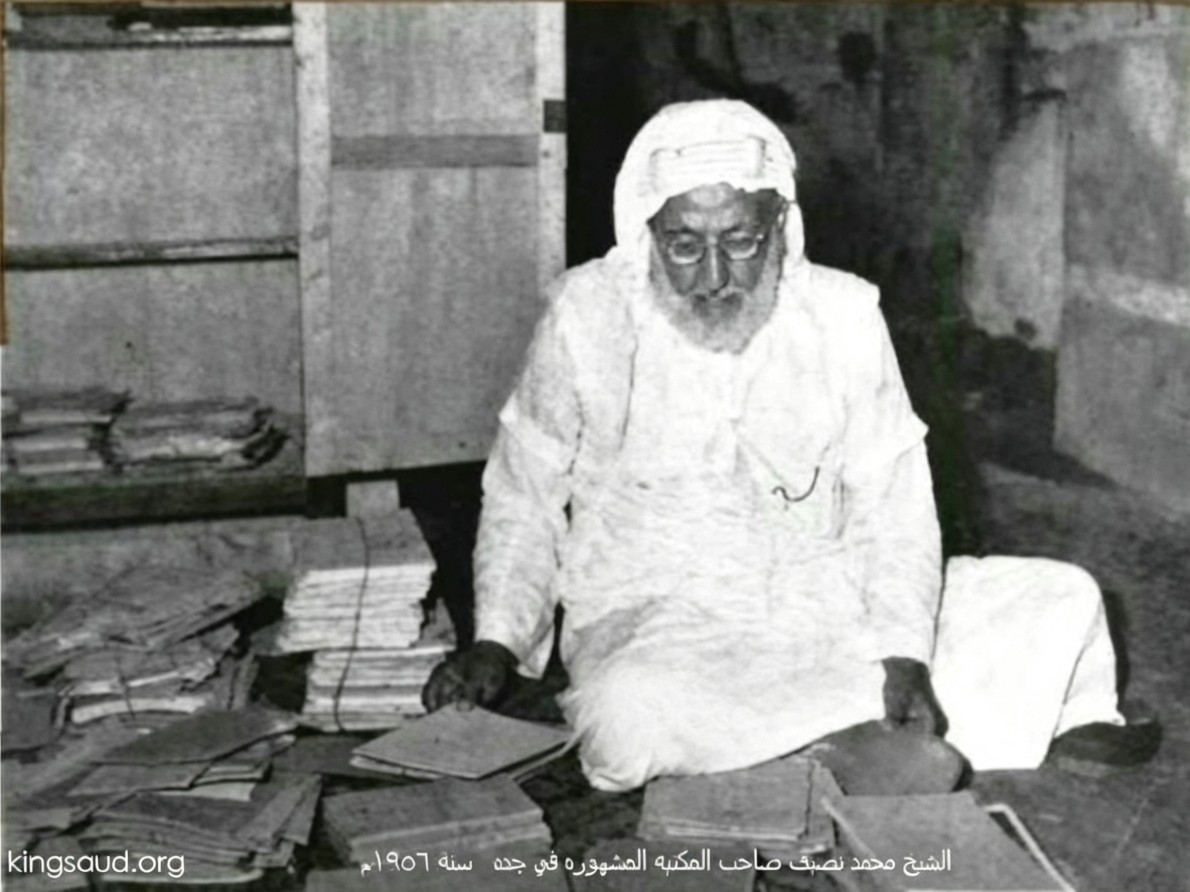
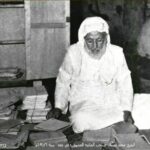
Sheikh Muhammad Nassif, owner of the renowned Jeddah library, 1956.

The General Organization for Social Insurance, 1383 AH, during the reign of King Saud.
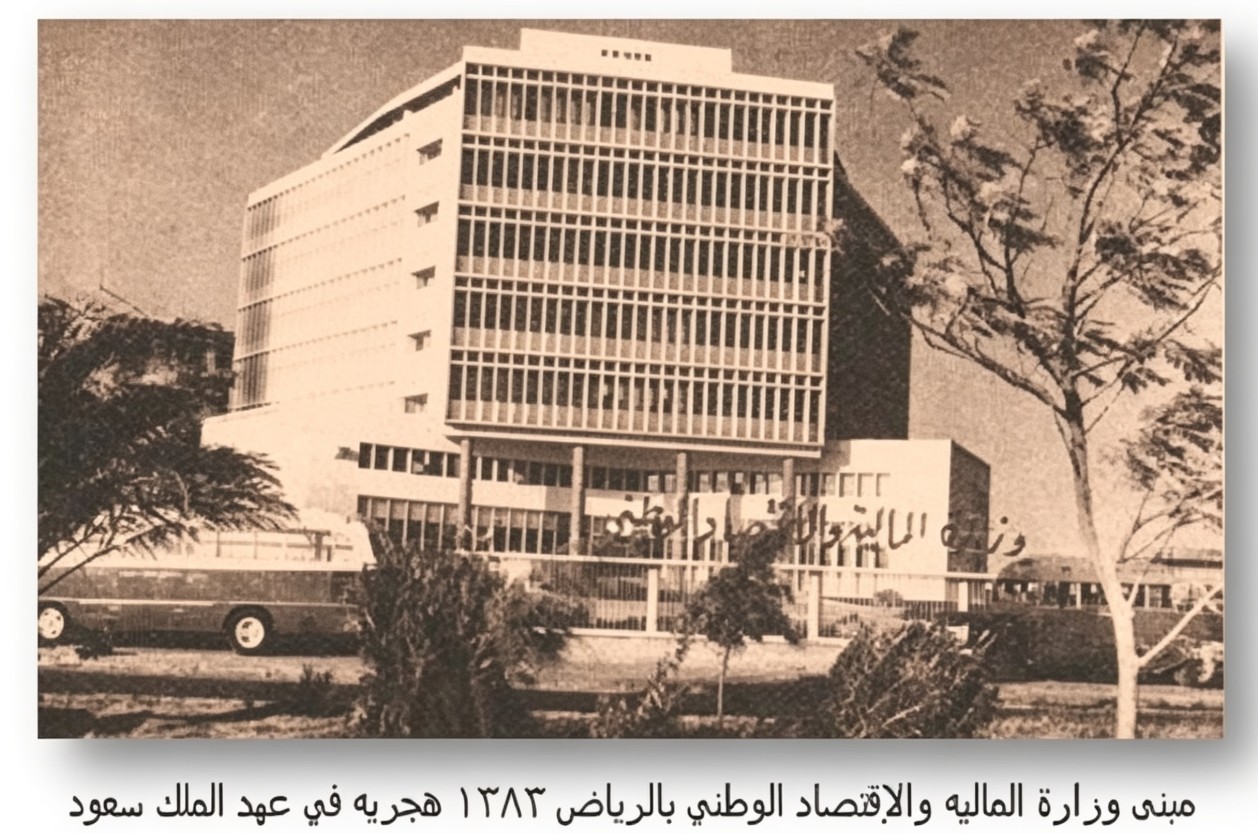
Ministry of Finance and National Economy building in Riyadh, 1383 AH, during the reign of King Saud.
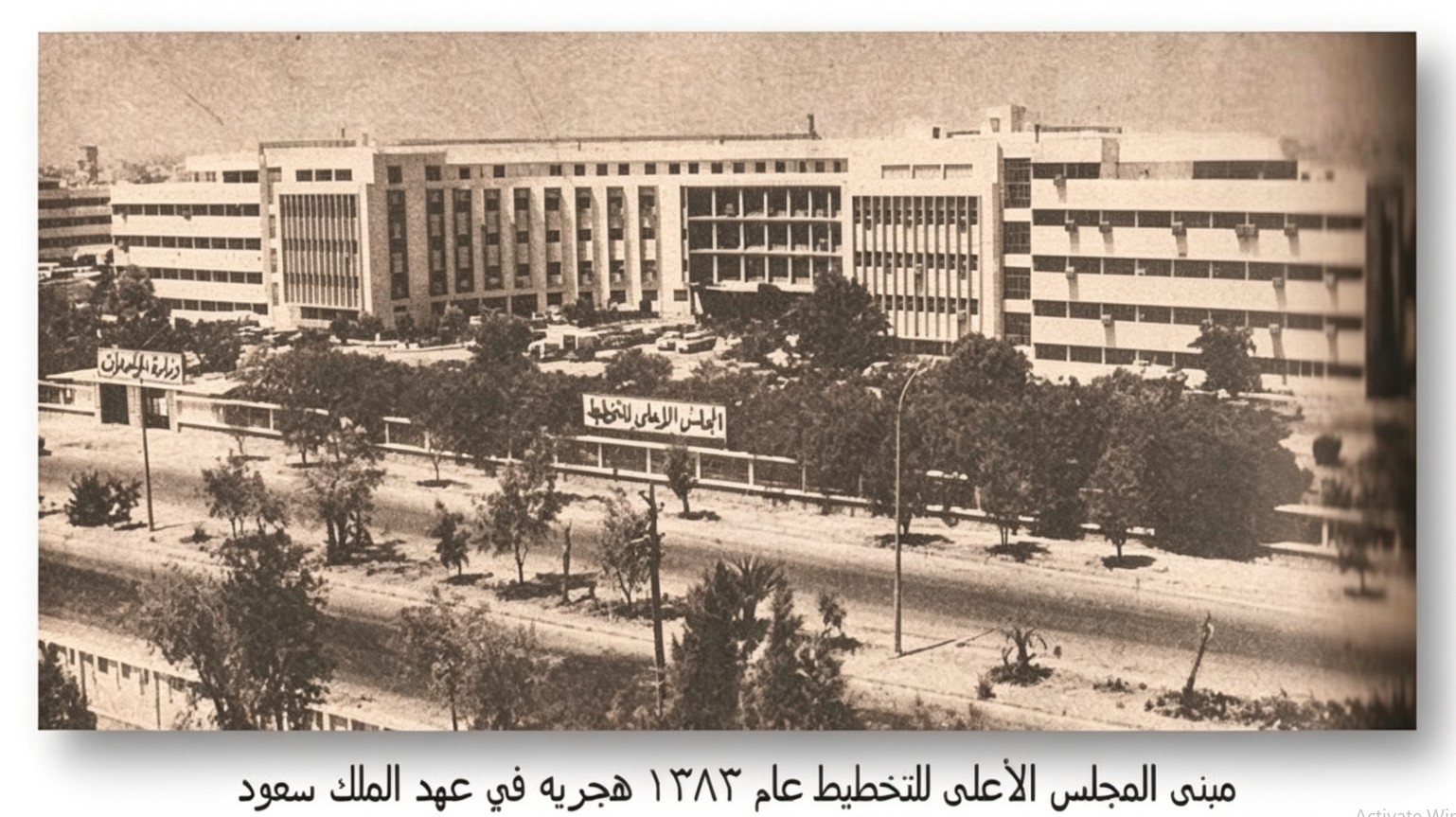
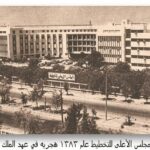
Supreme Planning Council Building, 1383 AH, in the reign of King Saud.

King Abdulaziz Military Academy in the mid‑1950s, founded during the reign of King Saud in 1374 AH.

King Saud University in the early 1380s AH (1377 AH).

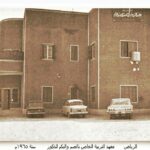
The Health Institute in Riyadh in the early 1380s AH, established during the reign of King Saud.

One of the buildings of the Islamic University in Al‑Madinah Al‑Munawwarah, established during the reign of King Saud in 1381 AH.

A photograph of the Makkah Technical Institute in Riyadh in the early 1390s AH, founded during the reign of King Saud in 1378 AH.

An old photograph of the College of Islamic Sharia, founded during the reign of King Saud.

The College of Petroleum and Minerals, founded by King Saud, which later became King Fahd University of Petroleum and Minerals.

The original college building whose construction began under Sultan Abdulhamid II but was halted; the photograph shows the completion of the structure during the reign of King Saud, when it was repurposed as a school.

Zahret Al‑Sharq Hotel in Riyadh, 1960 — a set of photographs by Keith Wheeler. It was inaugurated by King Saud after ‘Asr on Wednesday, 24 Rabi‘ al‑Awwal 1378 AH.

Zahret Al‑Sharq Hotel in Riyadh, 1960 — a set of photographs by Keith Wheeler. It was inaugurated by King Saud after ‘Asr on Wednesday, 24 Rabi‘ al‑Awwal 1378 AH.

Zahret Al‑Sharq Hotel in Riyadh, 1960 — a set of photographs by Keith Wheeler. It was inaugurated by King Saud after ‘Asr on Wednesday, 24 Rabi‘ al‑Awwal 1378 AH.

King Saud inaugurated King Abdulaziz Port in Dammam — then the largest port on the Arabian Gulf — in Rabi‘ al‑Awwal 1381 AH, corresponding to 1 August.

Riyadh Central Hospital (al‑Mustashfā al‑Markazī bi‑Riyāḍ) after its name was changed from King Faisal Hospital, previously known as the First King Saud Hospital.

King Saud Hospital — inaugurated by King Saud in 1376 AH (1957). Its name was later changed to Riyadh Central Hospital during the reign of King Faisal, and the original name was restored in the era of King Abdullah.

A new hospital built by TAPLINE in Badanah.
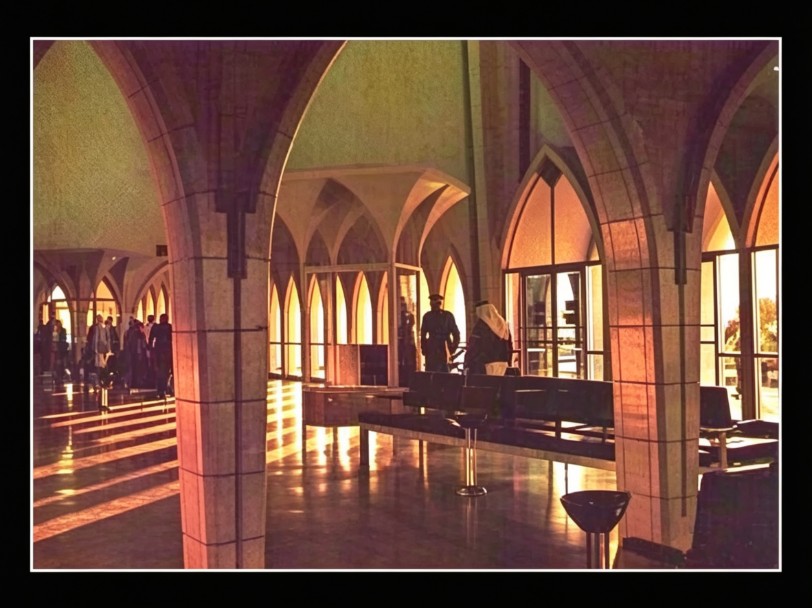
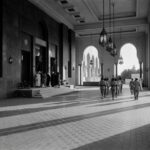
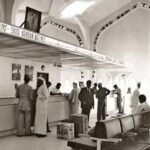
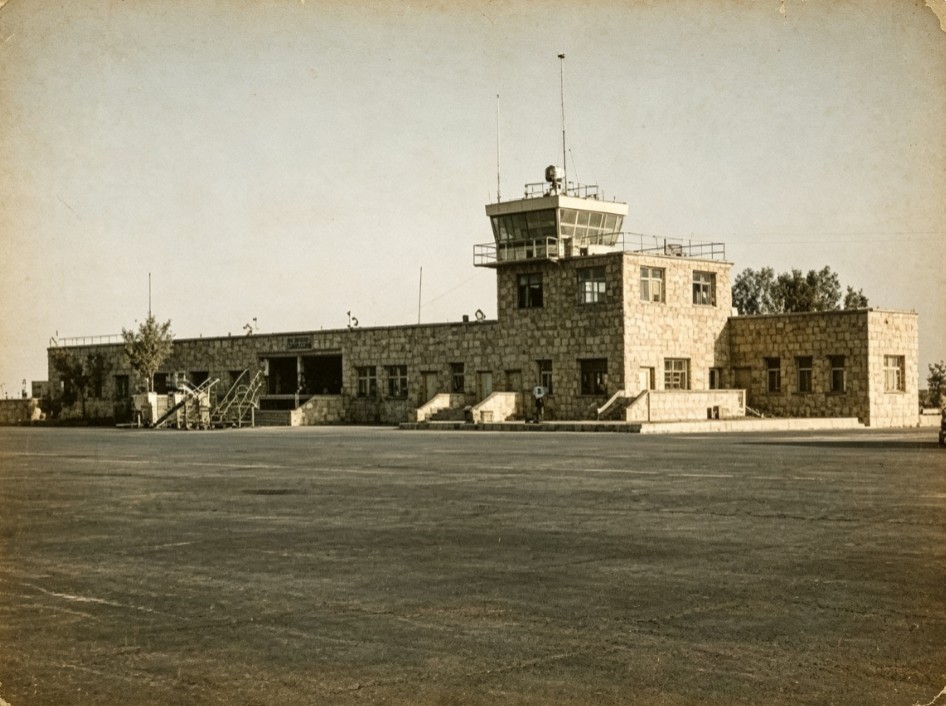
One of the halls of Dhahran Airport, which was inaugurated by King Saud in 1962.
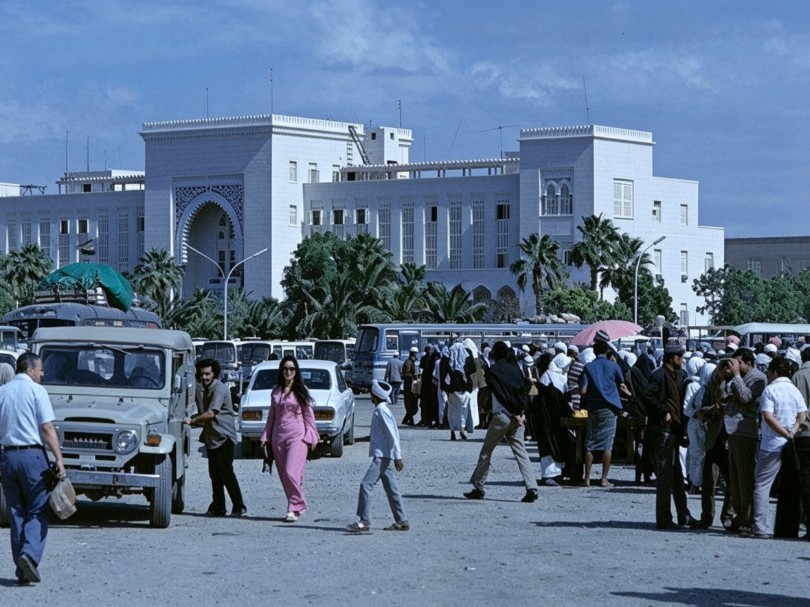
The Ministry of Foreign Affairs building in Jeddah, constructed during the reign of King Saud.
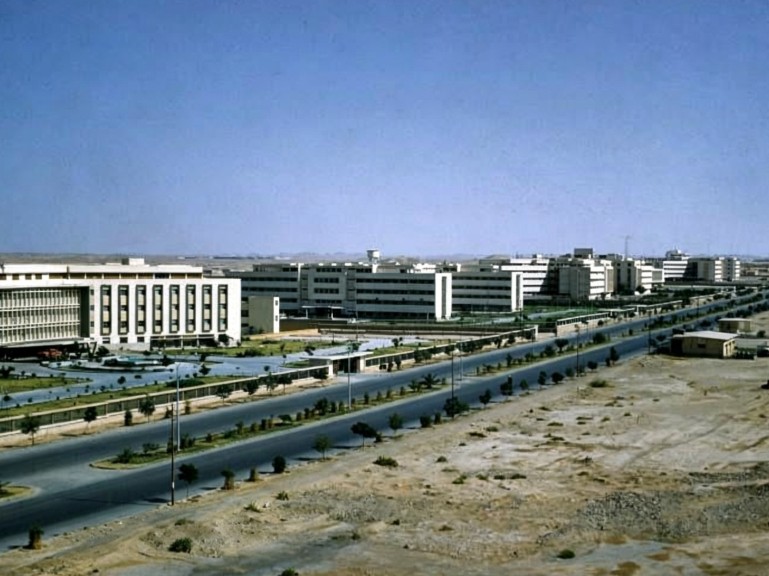
Airport Street, where King Saud established several government ministries.
The Royal Industrial Institute in Riyadh, established in 1378 AH / 1959 AD.
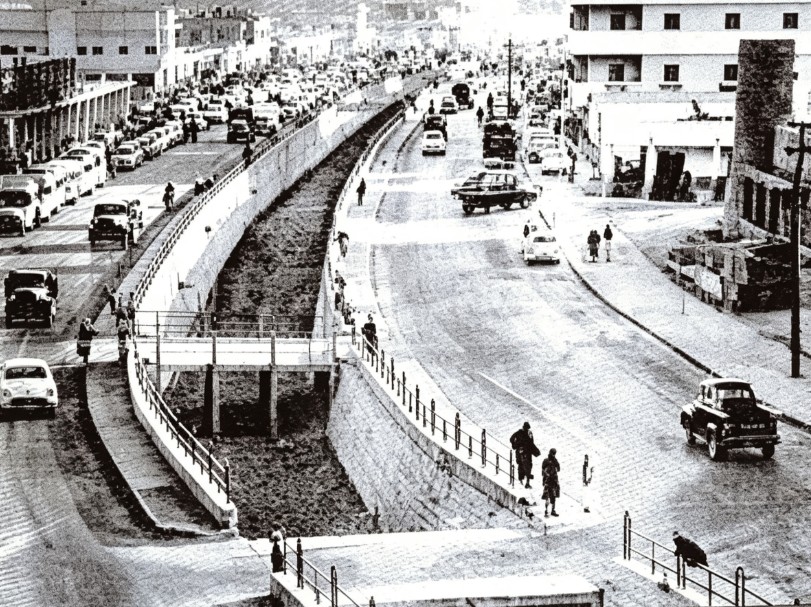
Al‑Bathaa District in Riyadh.
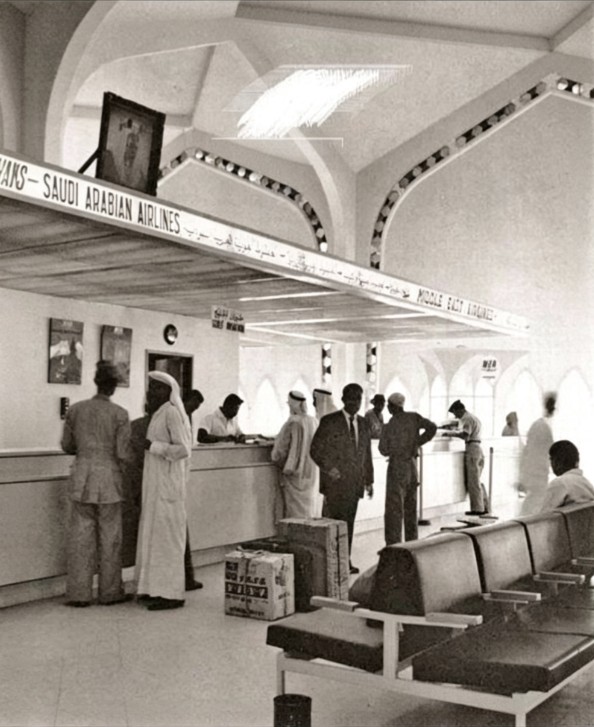
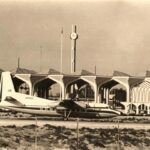
Dhahran Airport counter area during the reign of King Saud — part of the architectural heritage of King Saud, 1962.

The National Commercial Bank (NCB) in Riyadh.

The Qasr Al‑Sharq Hotel in Riyadh — part of the architectural heritage of King Saud.

The zoo established by King Saud — may he rest in peace — for the people of Riyadh in 1957, where he gathered animals from his travels to create a public park and a cultural landmark of his era.

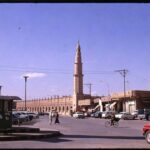
Al‑Safa Square in Riyadh, located beside the Government Palace (Qasr al‑Hukm) and the Imam Turki Grand Mosque. It features a clock that was once known as “Big Ben of Riyadh,” and it still stands today.

The Safat Clock in the Safat District, beside Qasr al‑Hukm, which King Saud rebuilt and developed.

(King Saud’s First Hospital) — Al‑Shumaisi Hospital in Riyadh.

The demolition of Qasr al‑Hukm (Government Palace) in Riyadh and its complete reconstruction with entirely different façades and reinforced‑concrete architecture.

The gasoline station on Al‑Ghorabi Street in Riyadh, with the main mosque on the street, in the year 1384 AH.

The National Commercial Bank (NCB) in Riyadh.

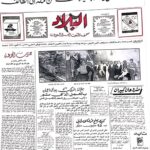
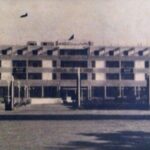
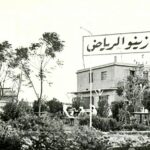
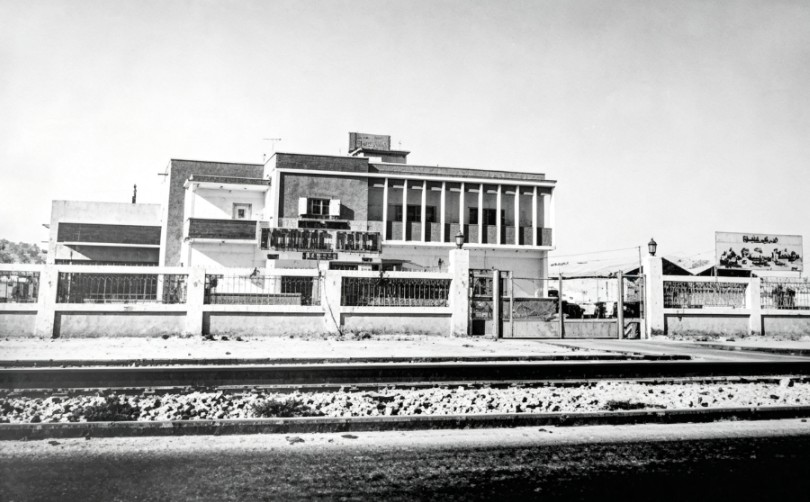
The Directorate of Broadcasting, Press, and Publication

King Saud issued a decree appointing Prince Fahd bin Faisal Al‑Farhan as Mayor of Riyadh in 1373 AH / 1953 AD, marking an early milestone in King Saud’s architectural and urban heritage.

King Saud — the Builder of Modern Riyadh.

King Saud — the Builder of Modern Riyadh; the Ministry of Finance and National Economy.
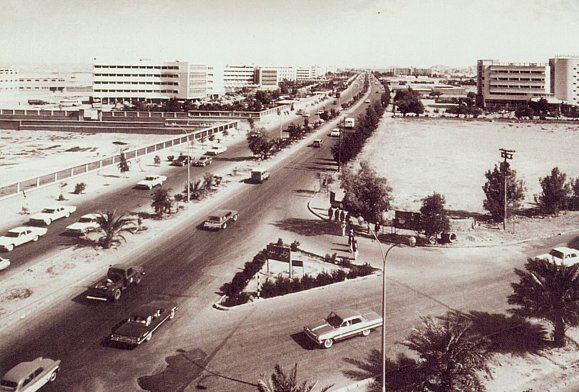
Al‑Yamamah Hotel, Zahret Al‑Sharq Hotel, Burj Al‑Arab, and the Riyadh Zoo.

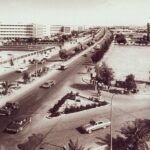
Airport Road — Riyadh.

Al‑Dhahira Street in Riyadh during the area’s expansion works in 1379 AH.
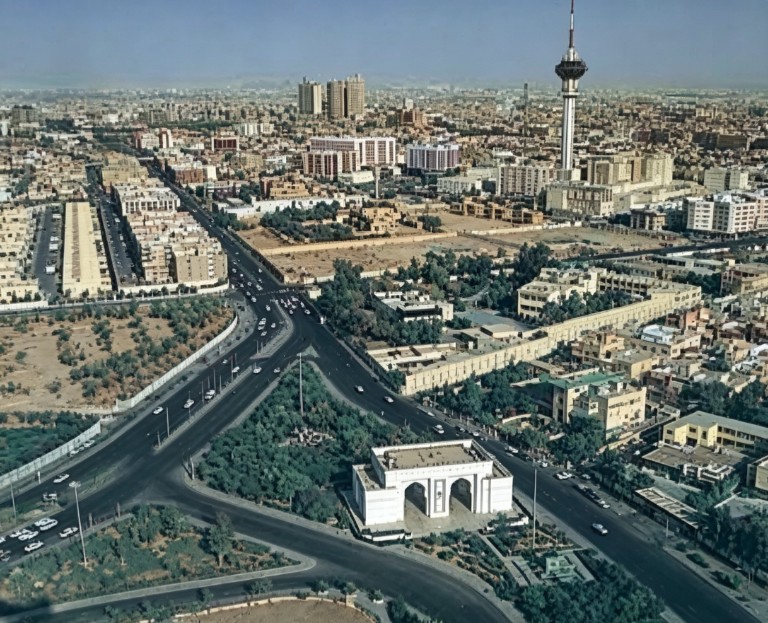
The gate of King Saud’s Palace in Al‑Nasiriyah — with its beauty and noble history — stands resilient against time.

The Urban Renaissance in the Reign of King Saud.

The Urban Renaissance in the Reign of King Saud.

The Urban Renaissance in the Reign of King Saud.

The Urban Renaissance in the Reign of King Saud.

The Urban Renaissance in the Reign of King Saud.

The Urban Renaissance in the Reign of King Saud.

The Urban Renaissance in the Reign of King Saud.

The Urban Renaissance in the Reign of King Saud.

One of the reservoirs of ʿAyn al‑Zarqā’ in the year 1954.

The Maternity Hospital in Riyadh, built by King Saud in 1955.

The Surgery Hospital building at the modern Quarantine Facility in Jeddah.

The garden of the modern Quarantine Facility in Jeddah.

The General Directorate of Broadcasting, Press, and Publication.

Model of the Radio Building in Riyadh.

One of the modern roads in the Kingdom.

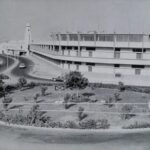
The Quarantine City (al‑Kūrantināt) in Jeddah — the Public Health Quarantine Facility.

The Jeddah Branch of the Ministry of Interior.

The Jeddah Branch of the Ministry of Interior.

The Ministry of Interior Building in Mecca.

General view of the Jeddah Airport building.

Photograph of the foundation stone of the Quarantine Facility in Jeddah.
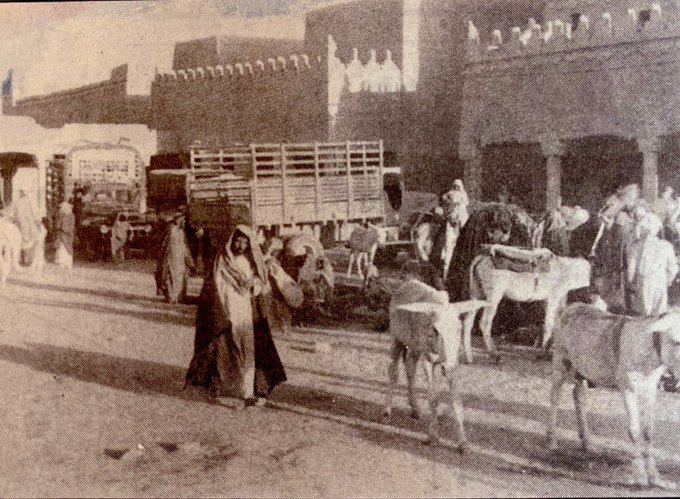
The southern section of the Dukhna Market in Riyadh, 1374 AH / 1954 AD.

Founding Panel of King Saud Hospital in Riyadh (Shemesi) the first hospital in the Kingdom 1956

Scenes from the urban renaissance during the reign of King Saud, where well‑wishers were received during the Eid al‑Fitr celebrations at the Red Palace.

King Saud’s Architectural Heritage.

The House of Books (Dār al‑Kutub) in Riyadh.
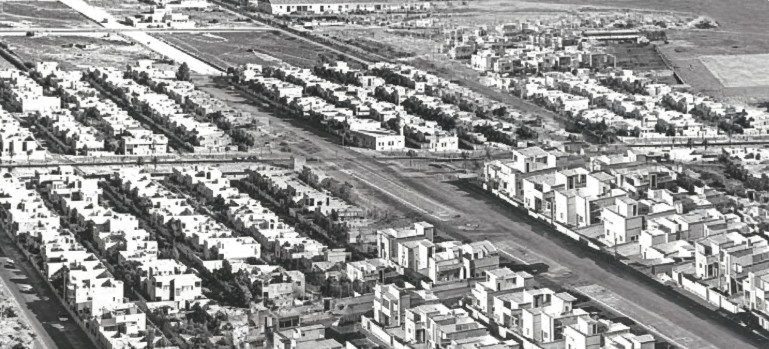
Dammam in the 1960s.

The Saudi Arabian Monetary Agency (SAMA) in 1382 AH, during the reign of King Saud — may God have mercy on him.

The entrance to Mecca during the reign of King Saud, 1956.

The decorative and lighting enhancements ordered by King Saud—may God have mercy on him—within the Ottoman architecture in 1954.
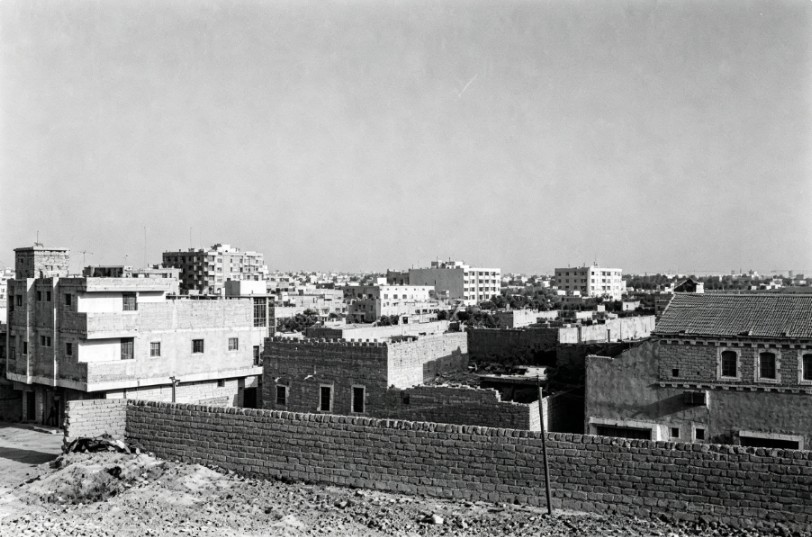
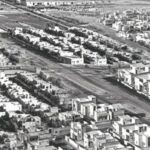
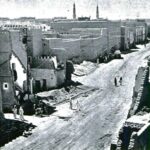
A 1950s photograph of Riyadh showing the urban transition from mud‑brick construction to reinforced concrete.

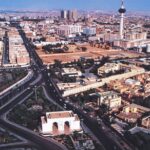
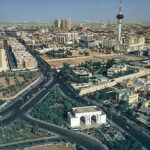
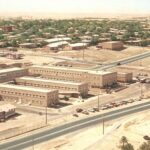
Aerial photographs from the early 1960s showing the old Riyadh Airport, the airport road, and the government ministries — from Keith’s Old Military Photos, 1961.

Dhahran Airport during its construction, 1960.

Al‑Wazir Street in Riyadh.

King Saud University in Riyadh.

The headquarters of the General Directorate of Broadcasting, Press, and Publishing in Jeddah.

Dams constructed during the reign of King Saud: the ‘Akrimah Dam in Taif, the Thumalah (Thaqīf) Dam, the al‑‘Aqūl Dam in Al‑Madinah Al‑Munawwarah, and the Wadi Hanifah Dam in Riyadh.

Architecture in the reign of King Saud.
The Al‑Bath‘a District in Riyadh.
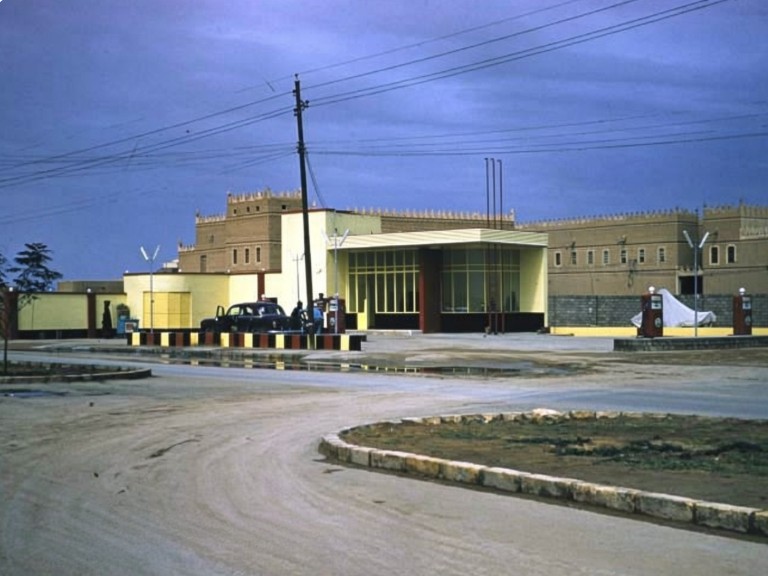
Old fuel stations in Riyadh.
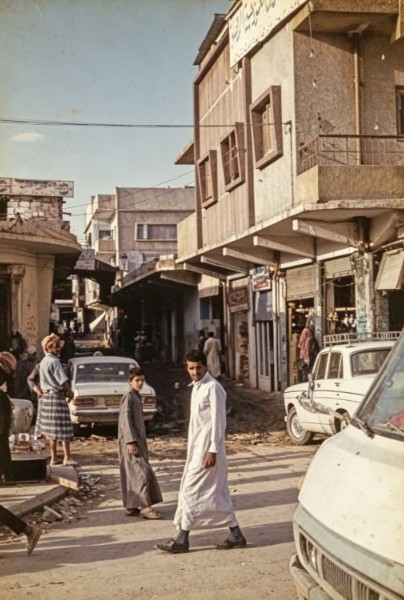
The Al‑Bath‘a District in Riyadh.
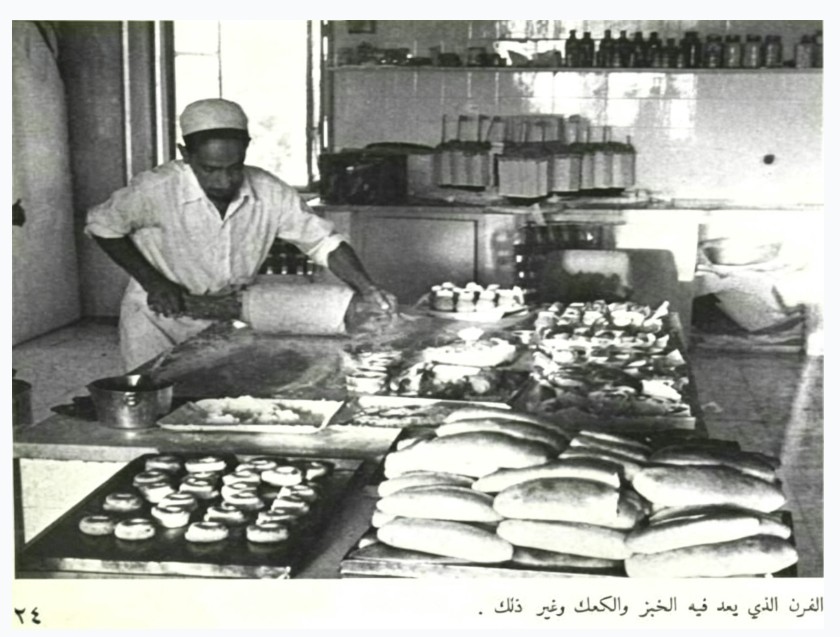
Riyadh Casino in 1961 — a charming venue frequented by visitors for refreshments, pastries, and both Arab and Western dishes; a combined café and restaurant.

The Canada Dry beverage factory on University Street.

King Abdulaziz Airport in Riyadh.

King Saud University.
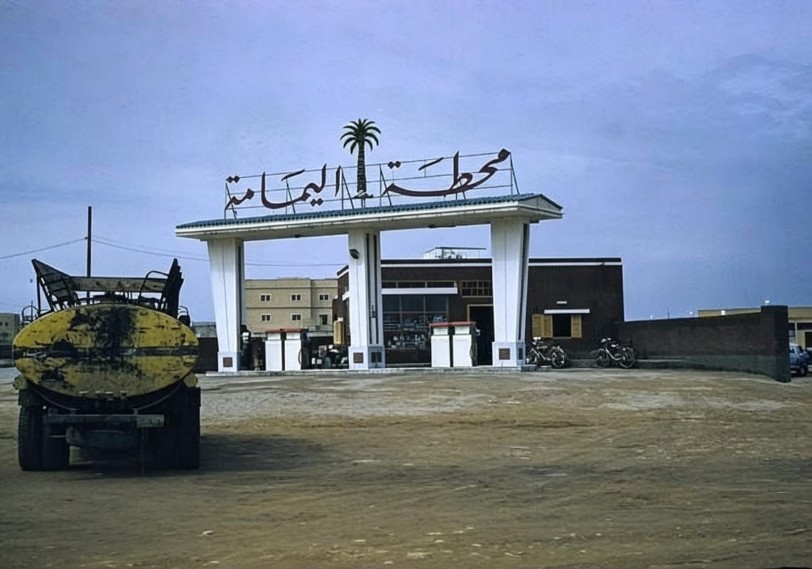
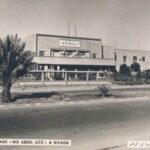
Al‑Yamamah Station, located directly opposite the main gate of King Saud Hospital (Al‑Shumaisi) in Riyadh.
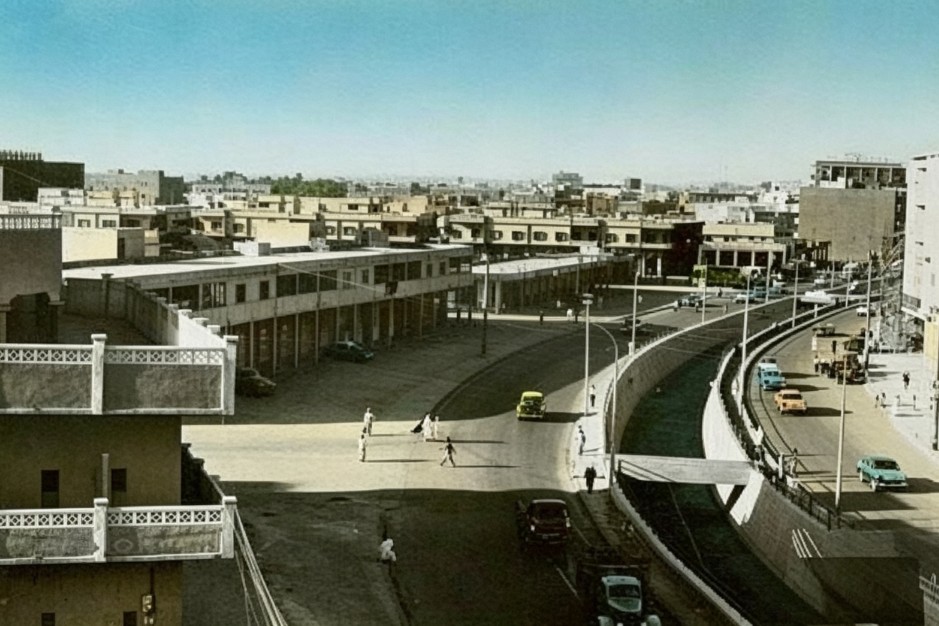
Al‑Bath‘a.

The old streets of Riyadh (Al‑Bath‘a Street).
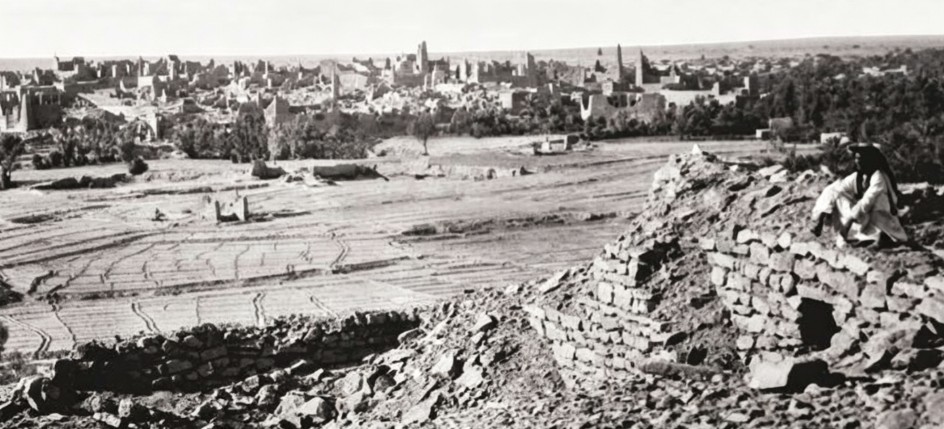
The Wadi Hanifah Dam, constructed during the reign of King Saud in 1958.
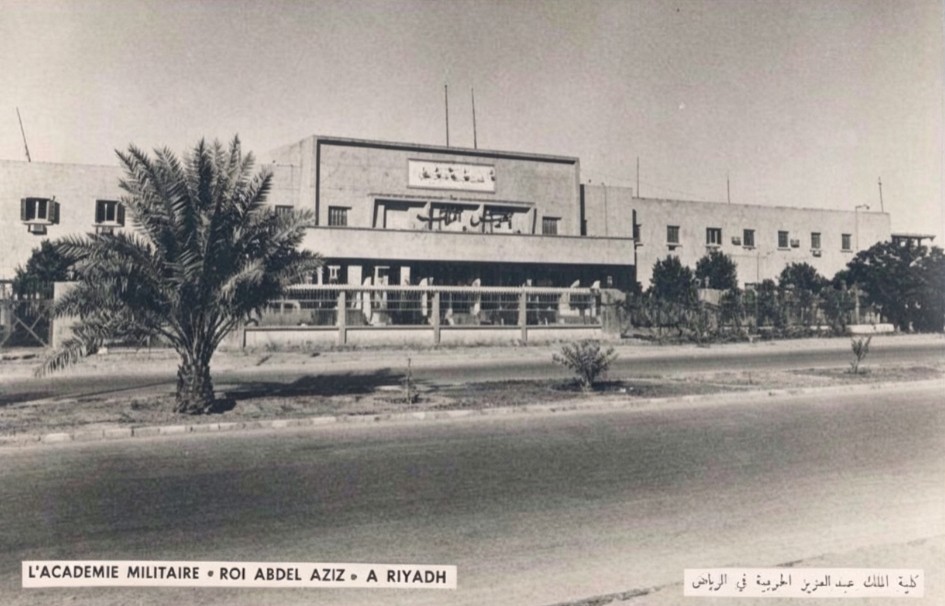
The King Abdulaziz Military Academy in Riyadh, inaugurated by King Saud in 1375 AH / 1955 AD.

King Saud University in Riyadh.
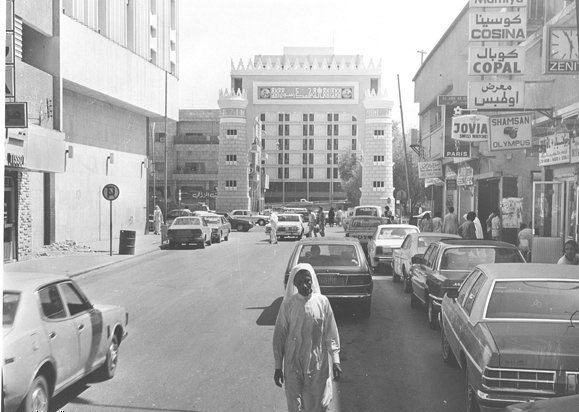
The first street chosen for the development of Riyadh was Al‑Thumairi Street, beginning from the vicinity of Qasr al‑Masabīḥ (al‑Masāri‘).

The old streets of Riyadh (Al‑Bath‘a Street).

The Scientific Institute in Dukhna, Riyadh.

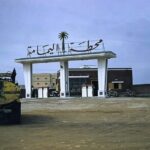
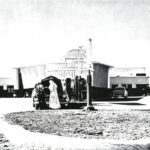
The old Riyadh Airport, showing the famous roundabout featuring the coffee‑dallah sculpture, along with the airport’s main entrance, which later became Riyadh Air Base.
The old Riyadh Airport, showing the famous roundabout featuring the coffee‑dallah sculpture, along with the airport’s main entrance, which later became Riyadh Air Base.
The old courthouse, now demolished, located in the center of Riyadh.
Jeddah Airport in 1961.
Photographs taken by the photographer James Burke in Riyadh in 1961, documenting the newly built homes at the early stages of development beside the traditional mud‑brick houses.
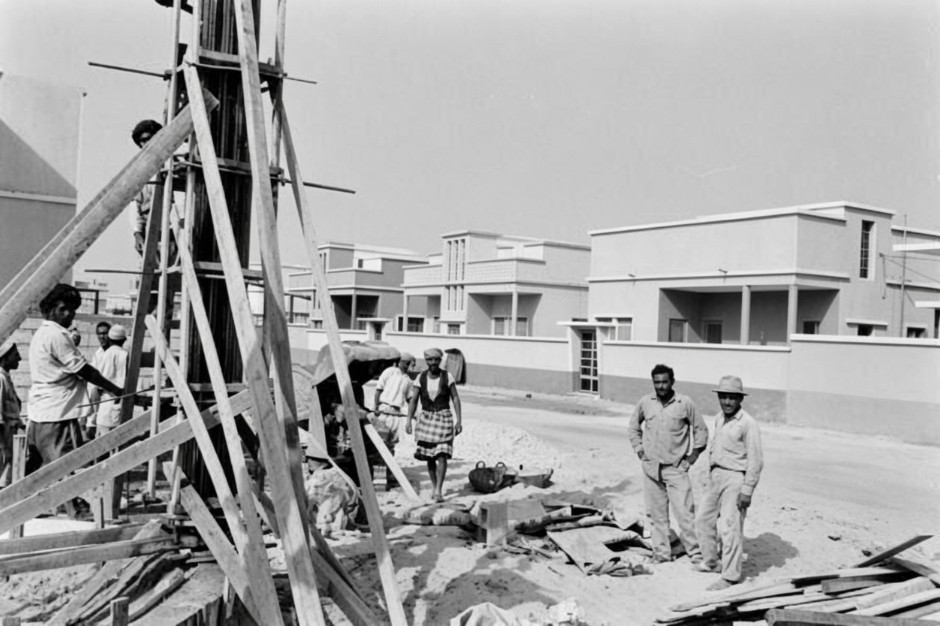
Photographs taken by the photographer James Burke in Riyadh in 1961, documenting the newly built homes at the early stages of development beside the traditional mud‑brick houses.
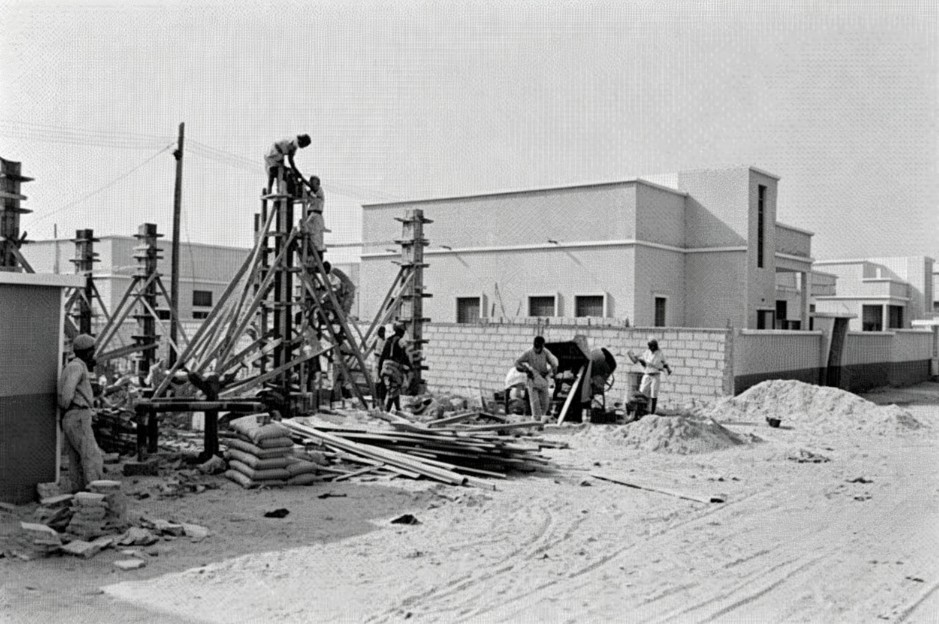
Photographs taken by the photographer James Burke in Riyadh in 1961, documenting the newly built homes at the early stages of development beside the traditional mud‑brick houses.
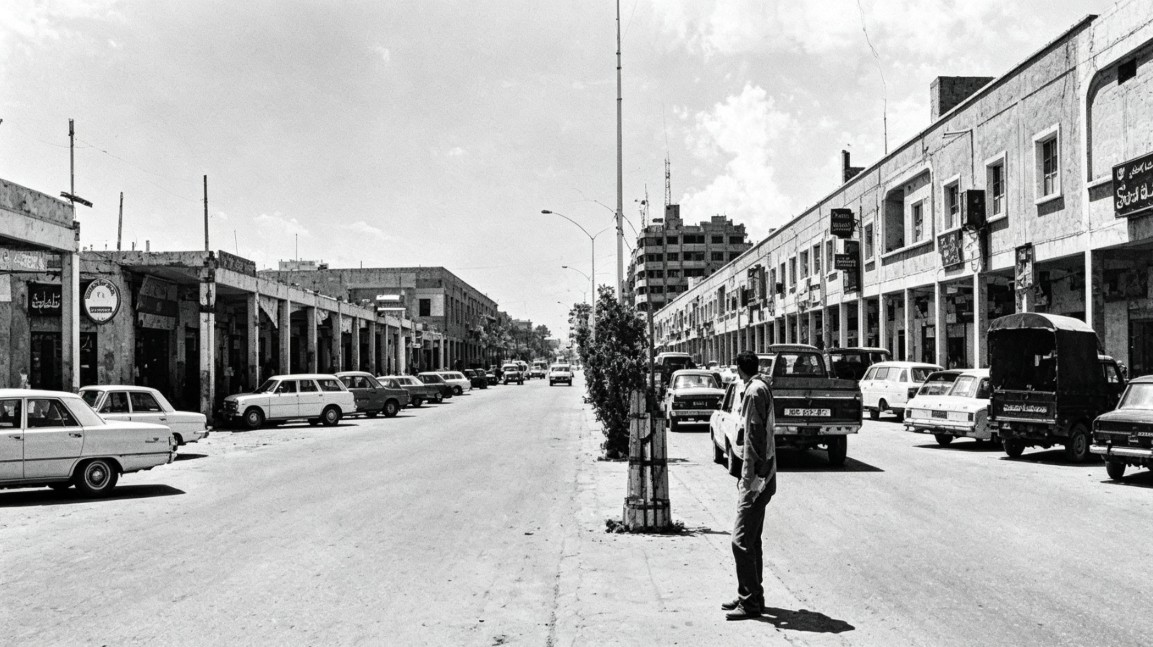
Al‑Wazir Street

The Ministry of Defense and Aviation

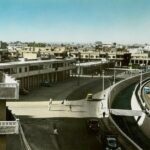
The Old Airport Road, along whose sides the government ministries were built

Dhahran Airport under construction, 1960
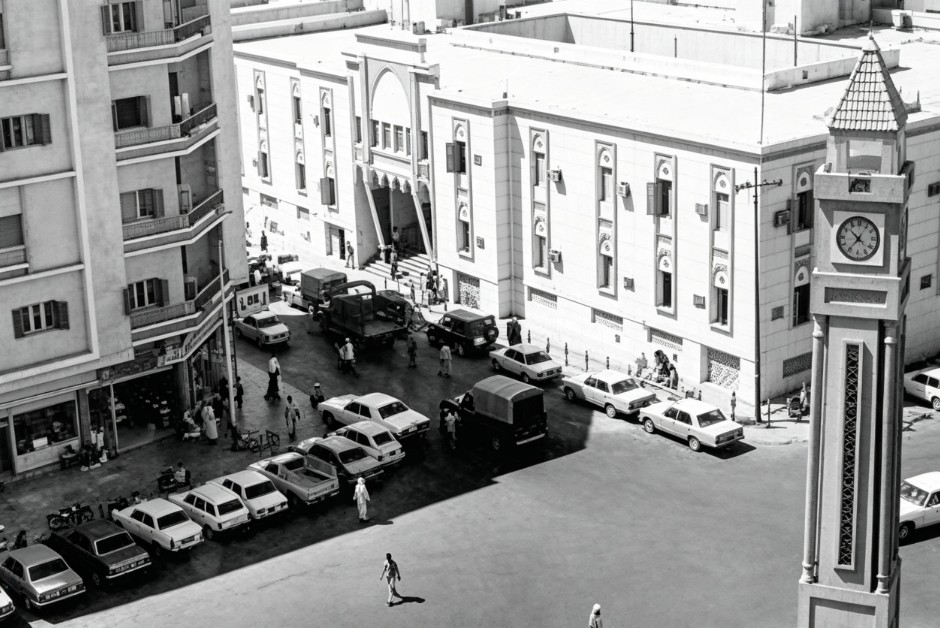
Significant growth occurred beyond the central district, and new residential neighborhoods were established, planned to accommodate the increasing use of automobiles

The old Riyadh Airport, showing the famous roundabout featuring the coffee‑dallah monument, along with the airport entrance that later became Riyadh Air Base
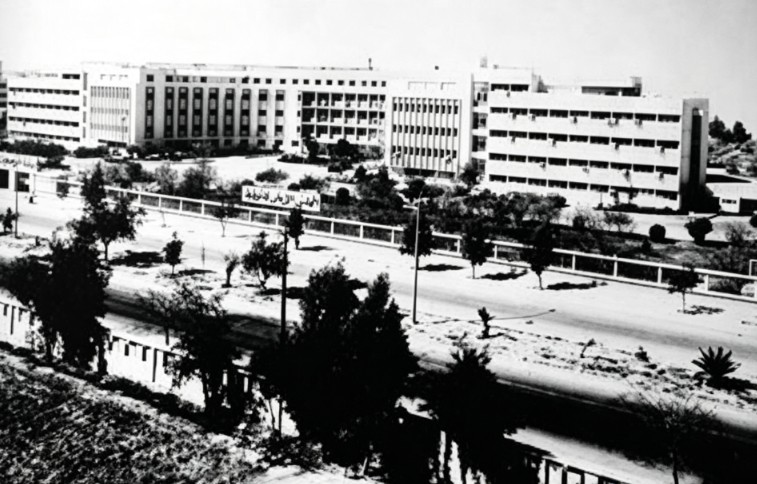
The Supreme Planning Council, established by order of King Saud under Royal Decree No. 50 dated 17‑7‑1380

King Saud’s Architectural Heritage in Riyadh
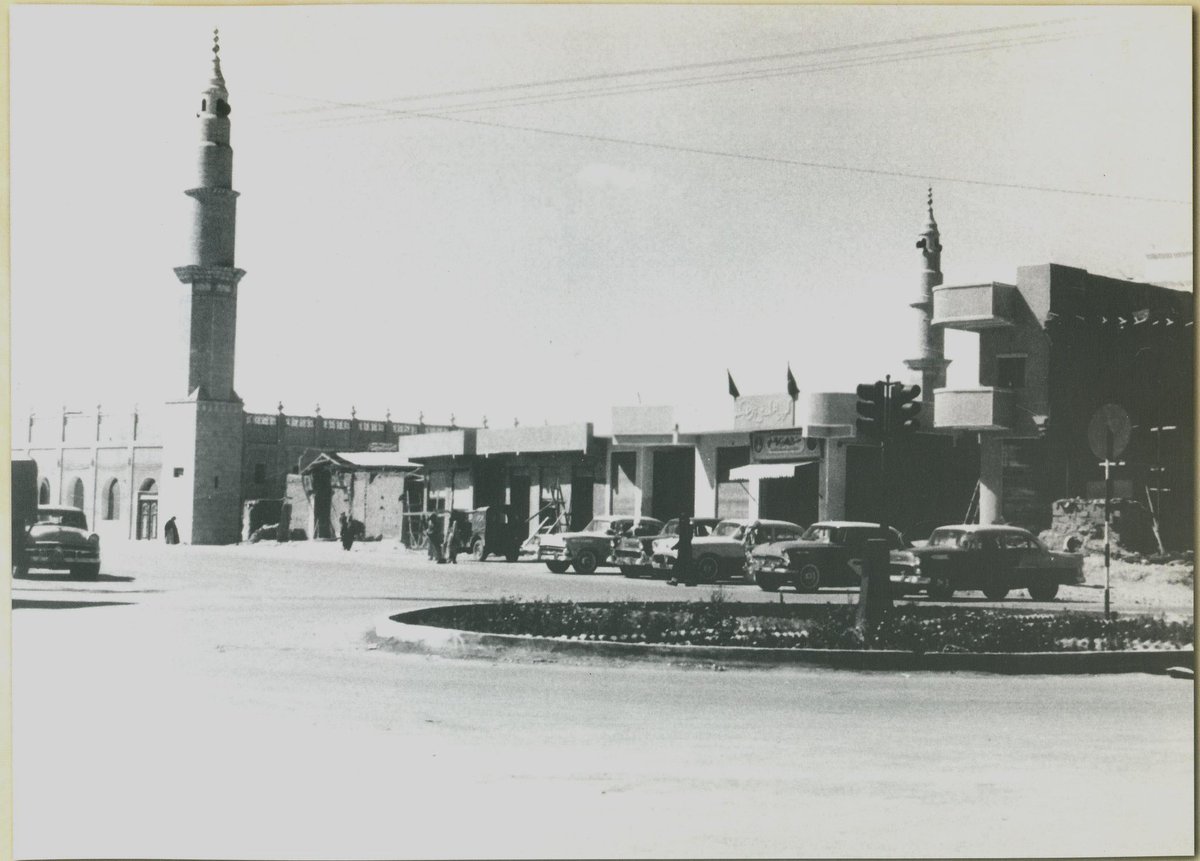
The Qasr al‑Hukm District in 1376 AH, after its demolition and reconstruction, with the Grand Mosque
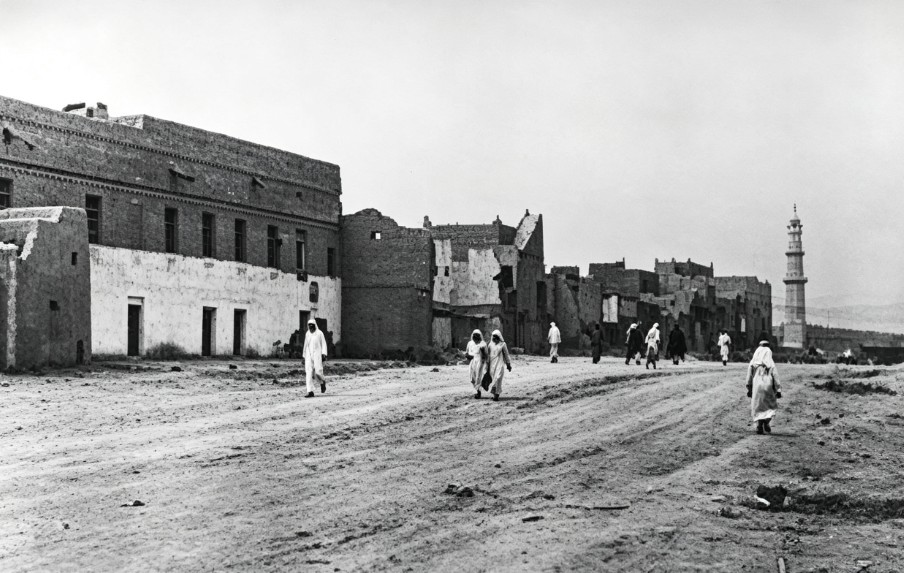
Al‑Shumaisi Street during its widening works, with the minaret of the Grand Mosque visible at the far end, 1379 AH
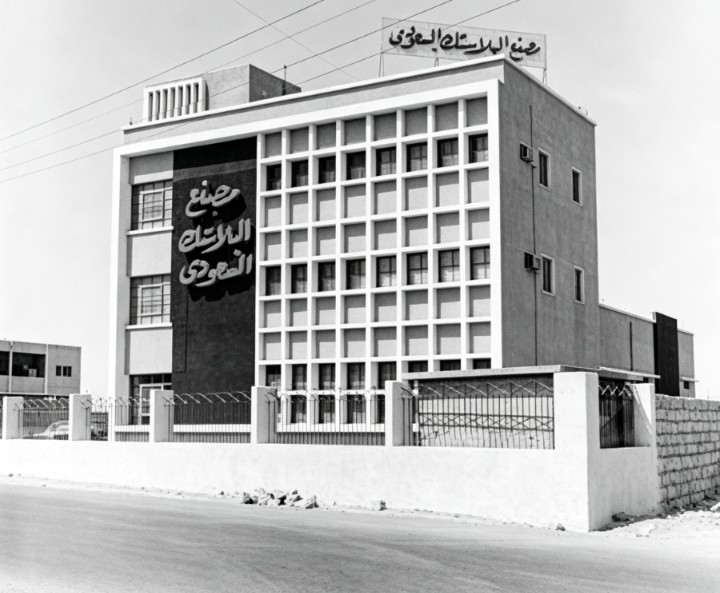
The Saudi Plastics Factory in Riyadh
The Sulfur Factory
The Military Hospital
The Building of Ministry of Agriculture
King Saud’s Architectural Heritage
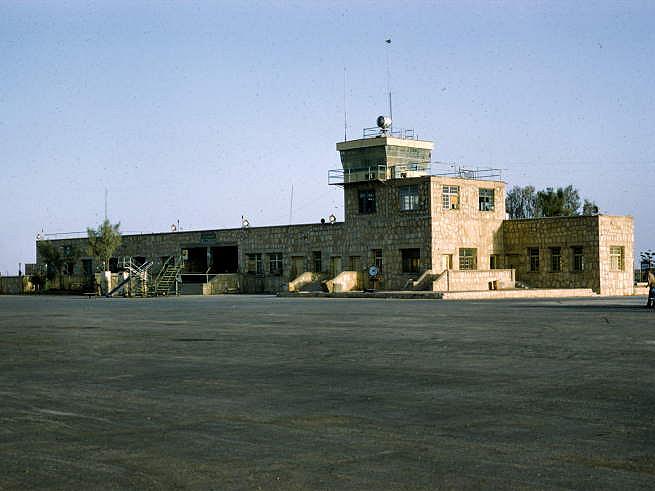
King Saud laid the foundation stone for the expansion of King Abdulaziz Airport in Riyadh in 1956, with construction beginning in 1957

The arrivals and departures hall, with the airport’s total area measuring 9,300 square meters; the project was completed in 1962

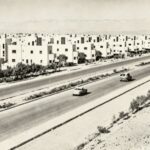
Al‑Malaz Street, built as residential housing for the employees of the ministries transferred to Riyadh in 1960

The Islamic University building in Al‑Madinah Al‑Munawwarah, founded by King Saud — may God have mercy on him
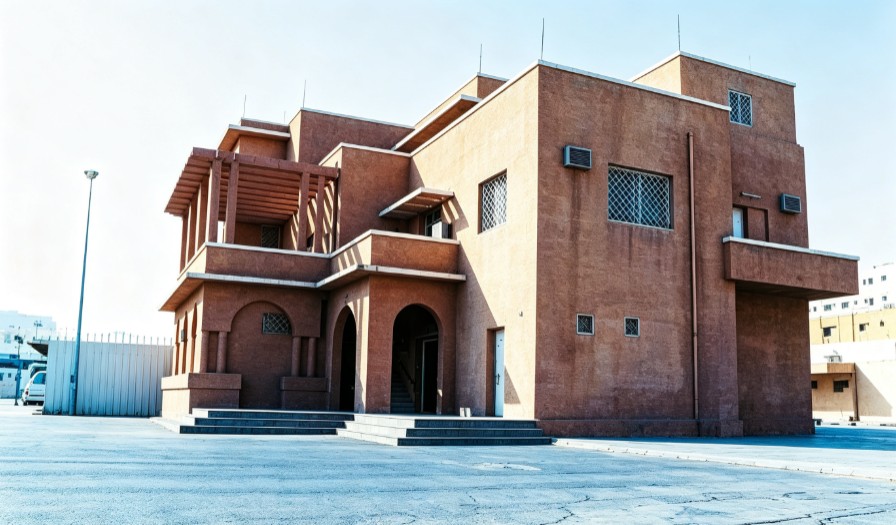
The former headquarters building of the Royal Saudi Air Force

Aerial photographs showing the old Riyadh Airport, the airport road, and the government ministries — from Keith’s Old Military Photos 1961

Aerial photographs showing the old Riyadh Airport, the airport road, and the government ministries — from Keith’s Old Military Photos 1961

Aerial photographs showing the old Riyadh Airport, the airport road, and the government ministries — from Keith’s Old Military Photos 1961

The former Ministry of Interior Building
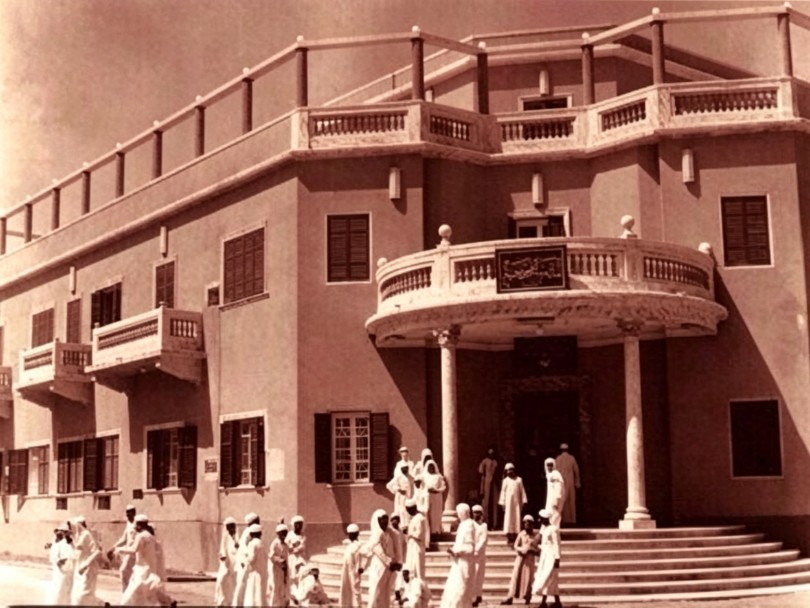
The old Model Primary School building in Jeddah — one of the Seven Palaces graciously gifted by King Saud to the Ministry of Education, forming part of the early architectural foundations of modern schooling in the Kingdom.

The Pilgrims’ City and King Saud Mosque within the Khuzam Palace complex, constructed by the Safa Company

The Saudi House of Books, whose headquarters was inaugurated by King Saud on Thursday, 2 Jumada al‑Awwal 1378 AH
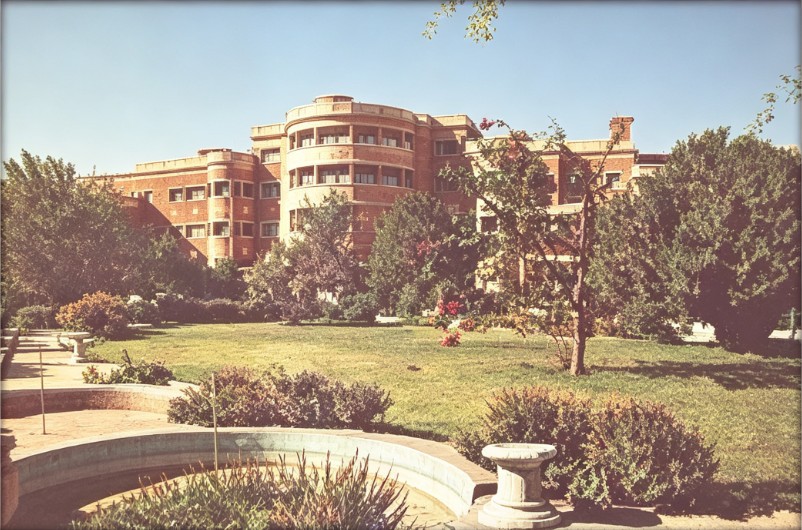
The Ministry of Transport building, constructed during the reign of King Saud — a landmark administrative structure reflecting the Kingdom’s early efforts to organize and modernize its national transportation sector.

A 1950s photograph of Riyadh, capturing the city’s pivotal urban transition from traditional mud‑brick architecture to reinforced‑concrete construction — a defining moment in the emergence of modern urban planning in the Saudi capital.
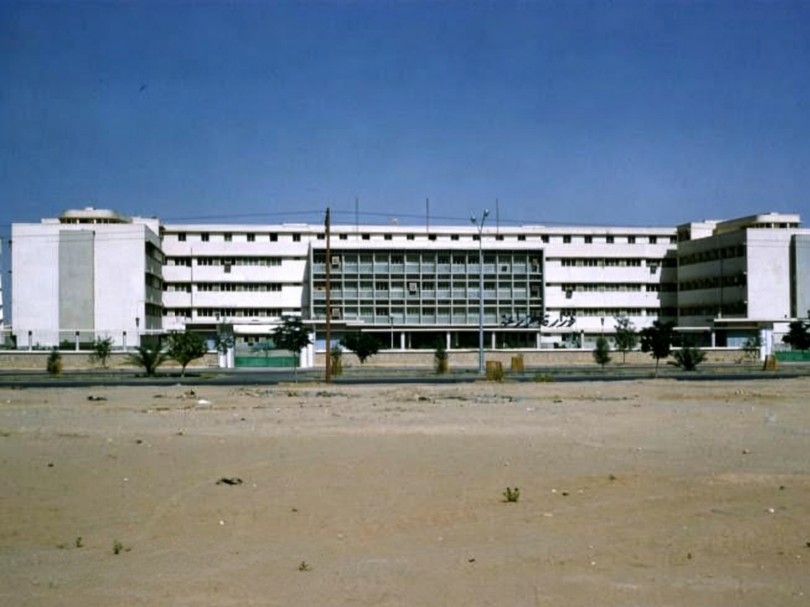
The Ministry of Agriculture and Water

King Saud University in Riyadh

Al‑Bath‘a District in Riyadh
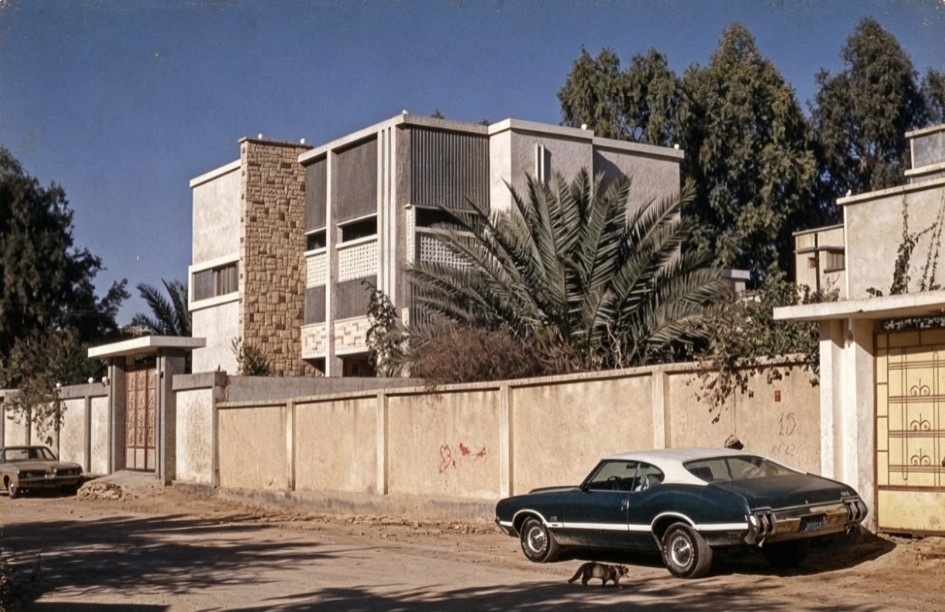
Al‑Malaz District in Riyadh
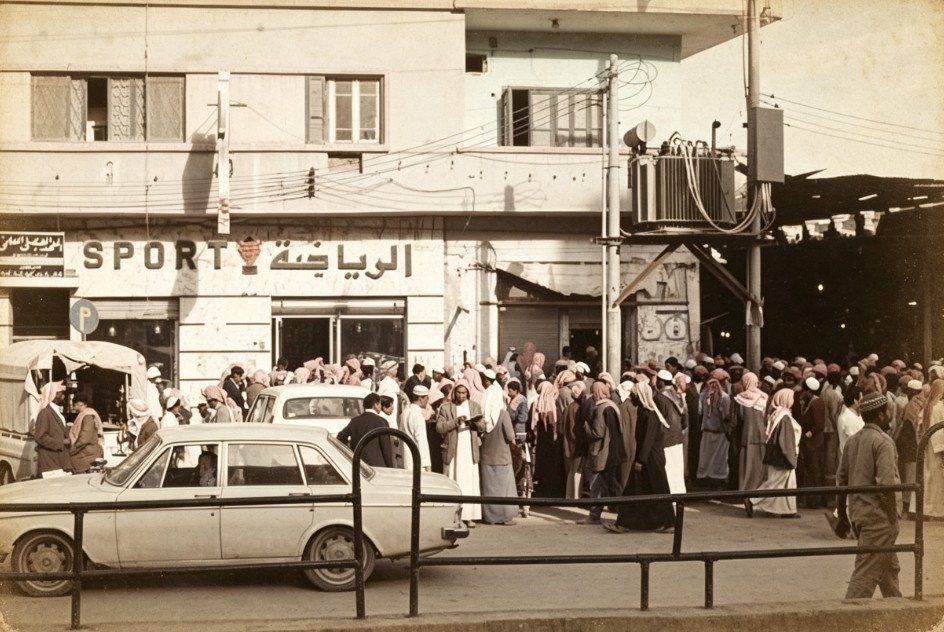
Al‑Bath‘a District in Riyadh
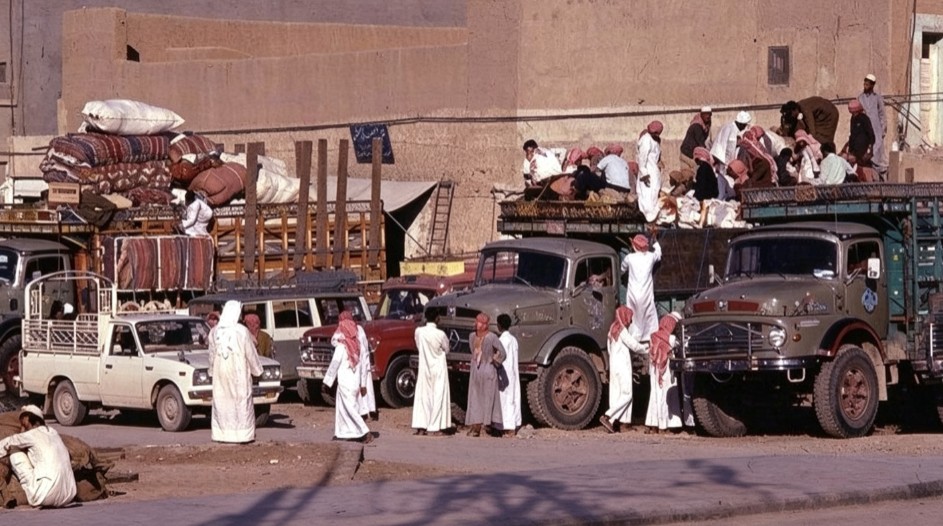
Al‑Bath‘a District in Riyadh
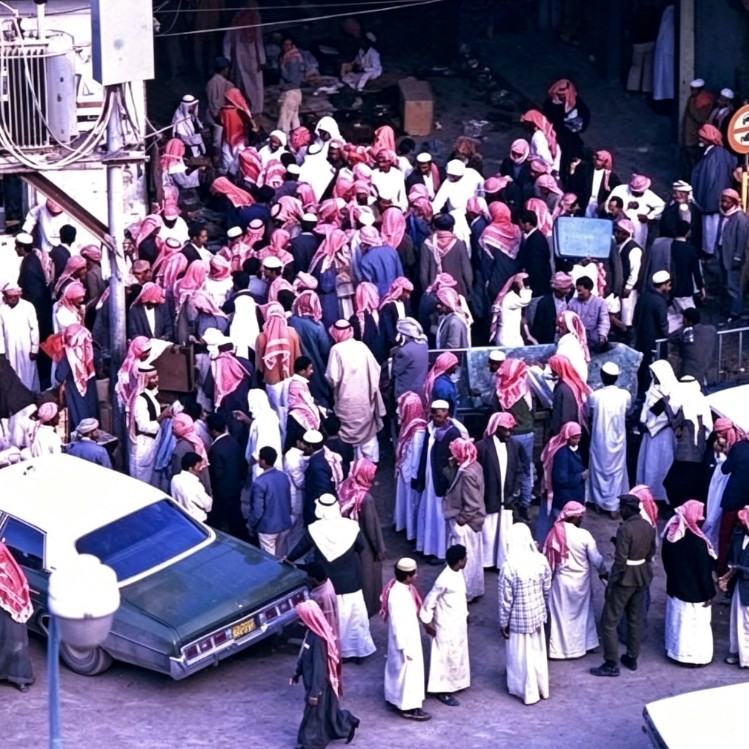
A street running parallel to King Abdulaziz Street
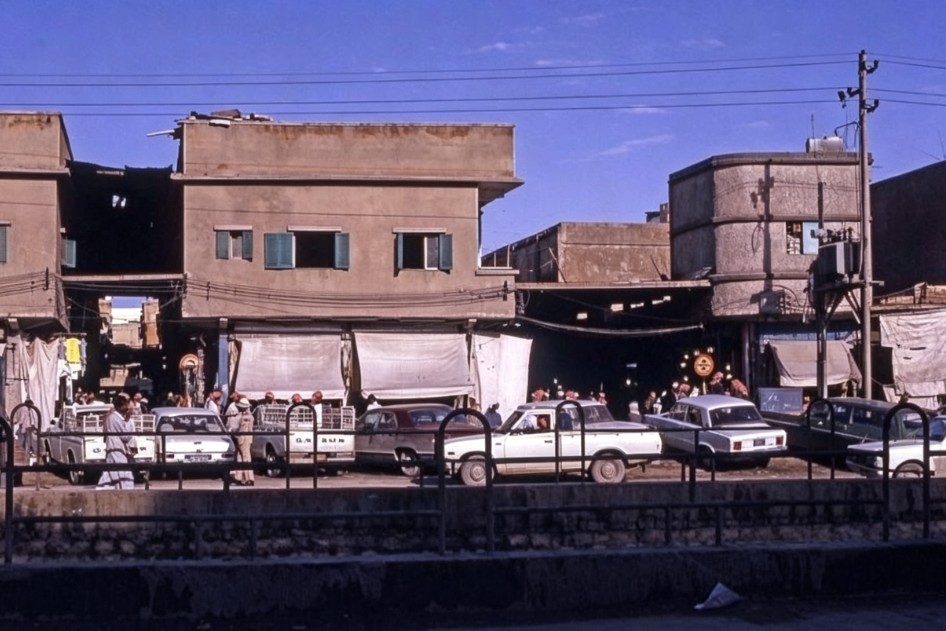
Prince Faisal bin Turki Street, located between Al‑Bath‘a and King Abdulaziz Street
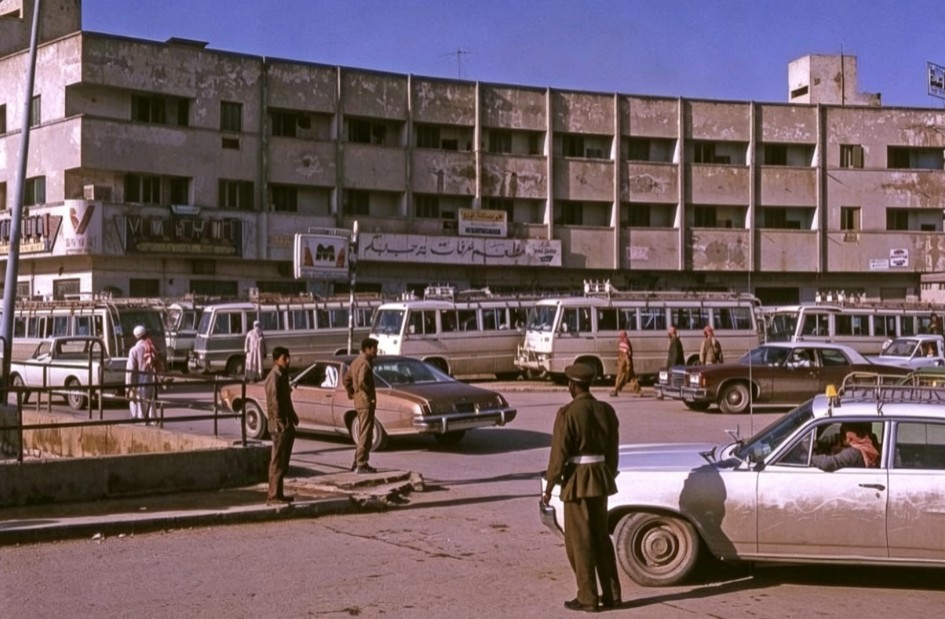
Al‑Bath‘a District in Riyadh
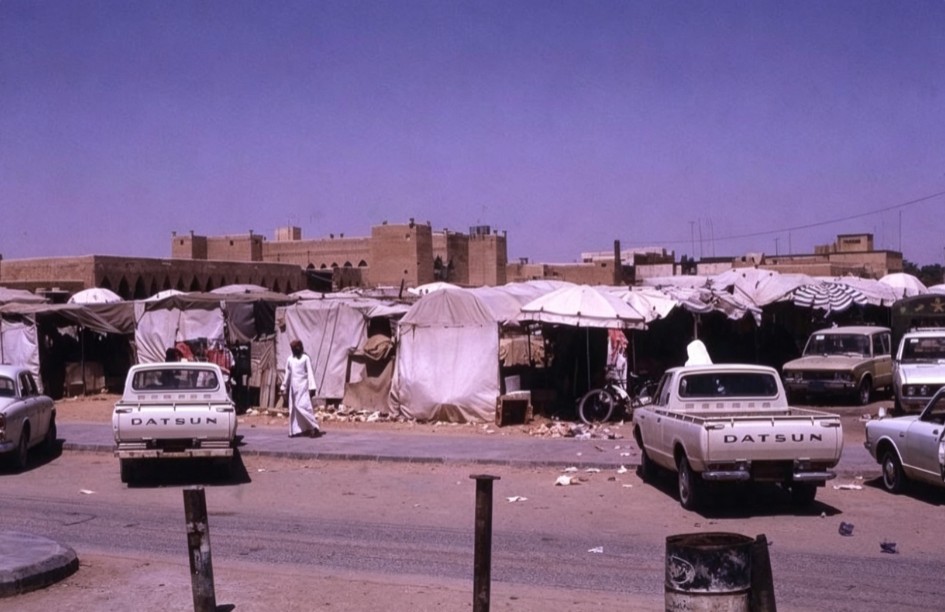
Al-kharj - Riyadh
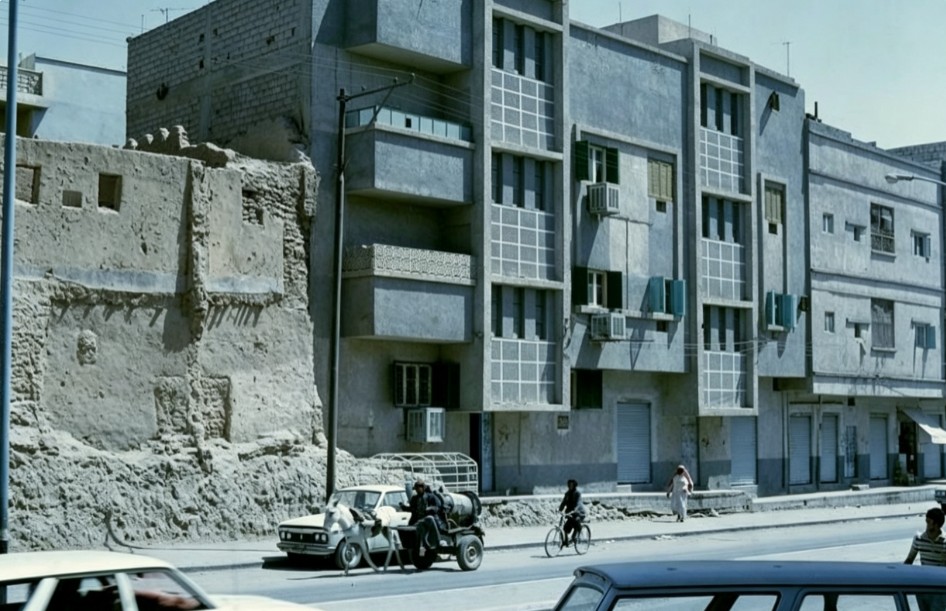
Al‑Bath‘a District in Riyadh
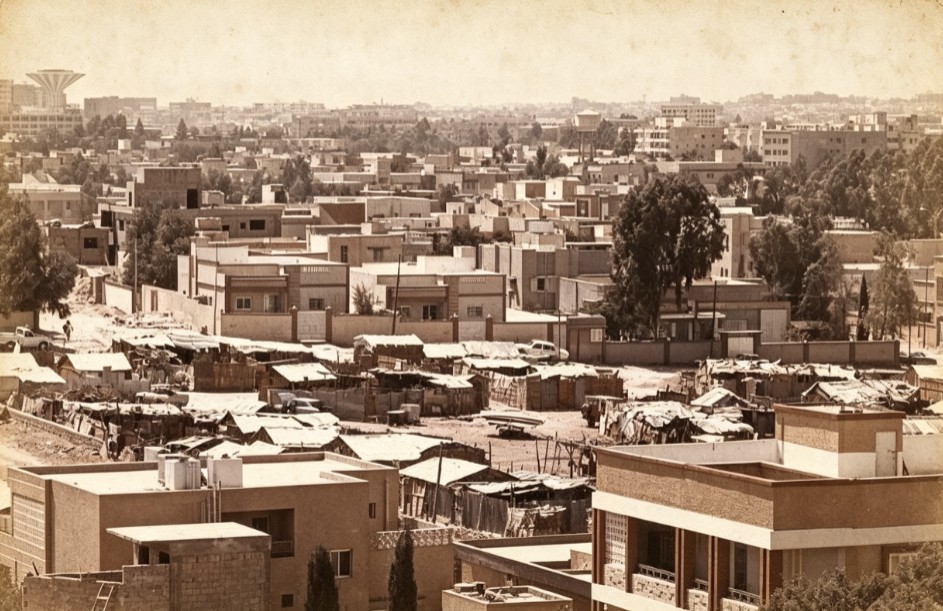
Al‑Malaz District in Riyadh
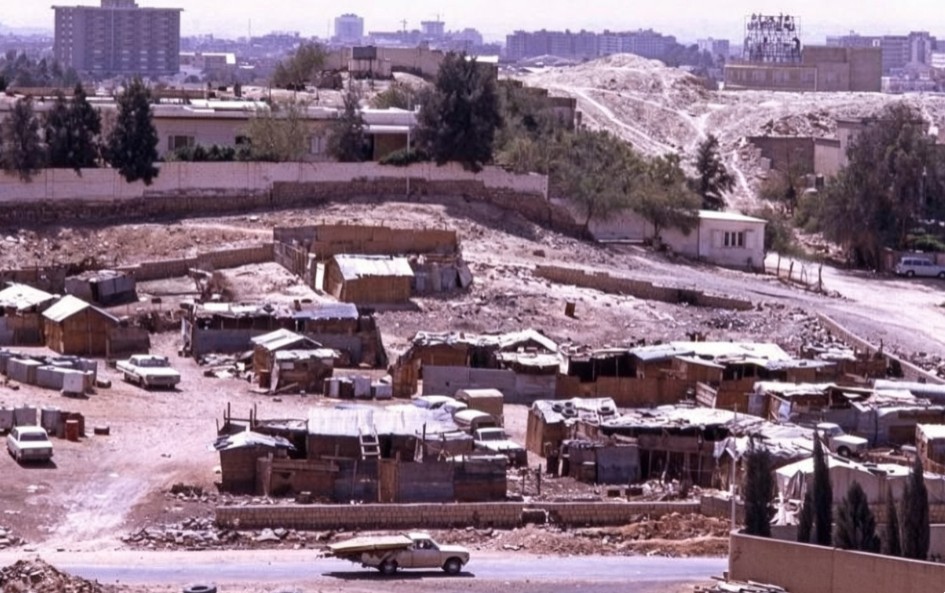
Al‑Malaz District in Riyadh
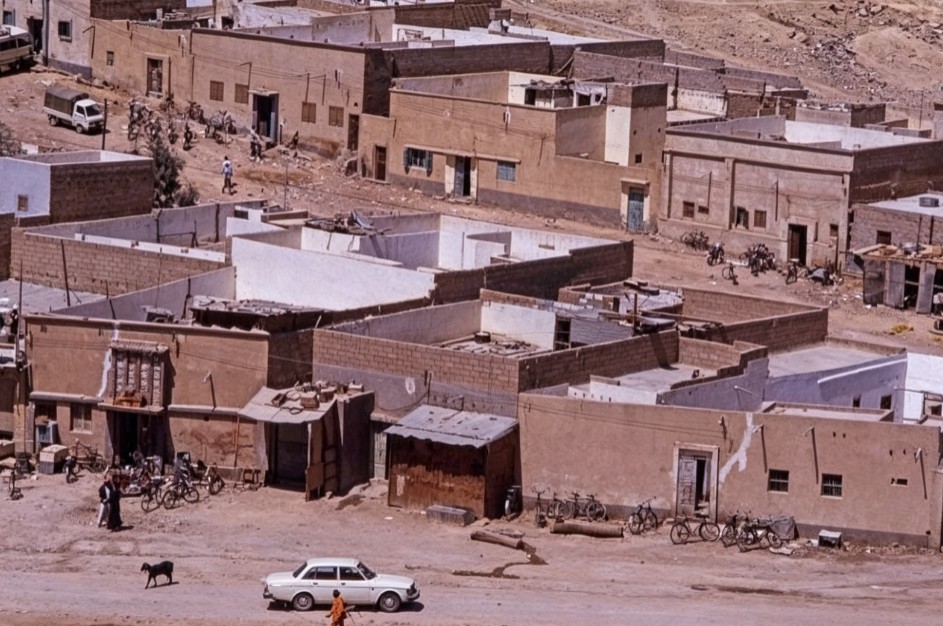
Al‑Malaz District in Riyadh
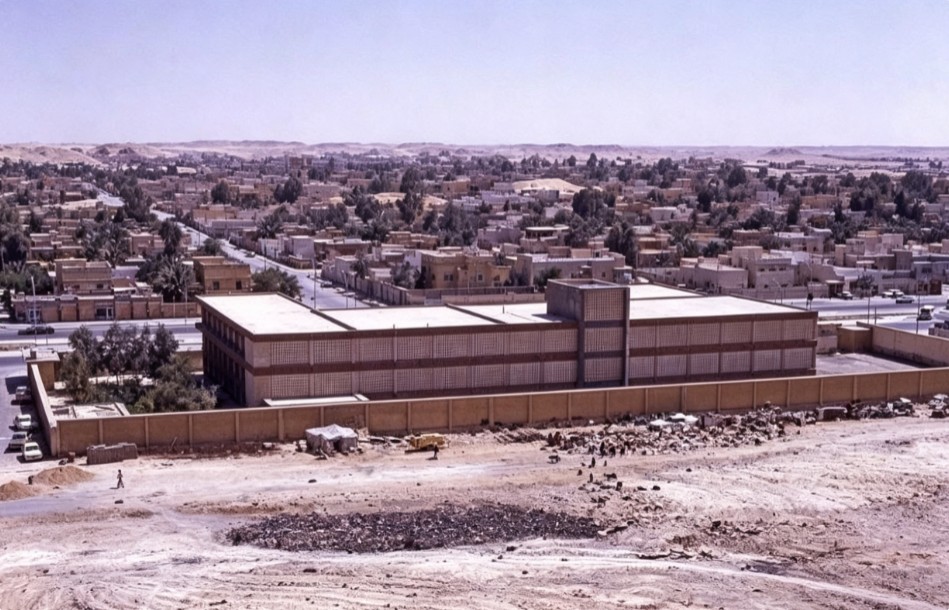
Al‑Malaz District in Riyadh
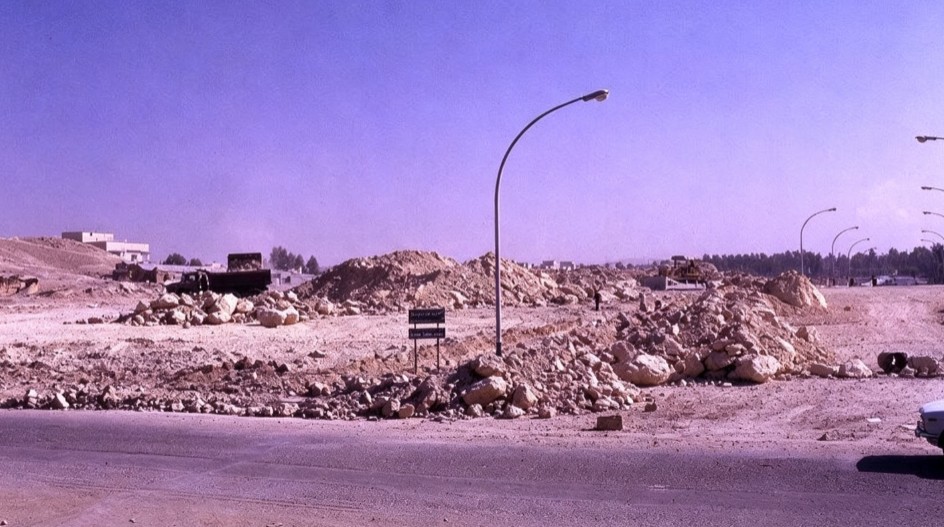
Al‑Malaz District in Riyadh
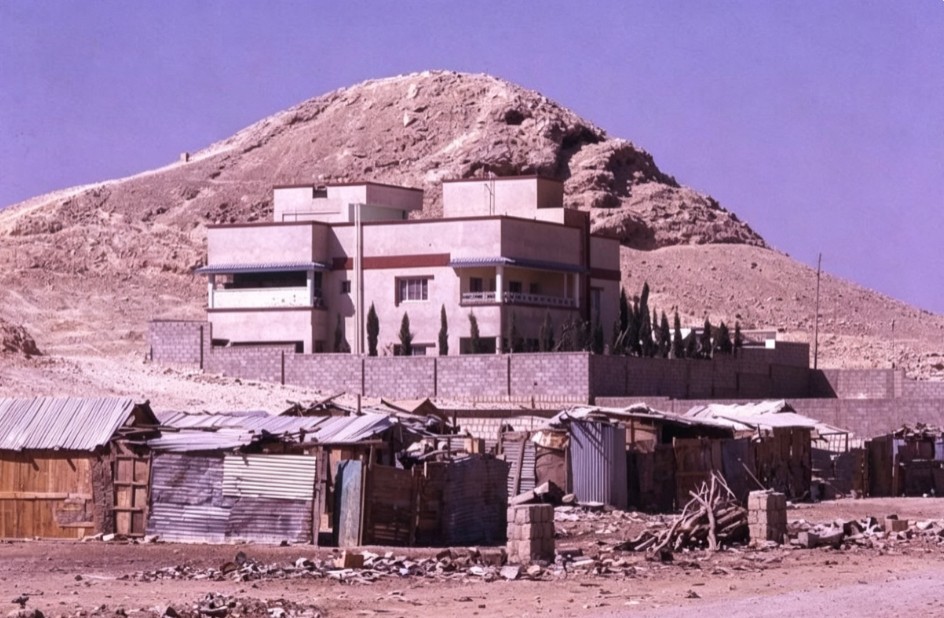
Al‑Malaz District in Riyadh

Engineer Zaki Husni — may he rest in peace — the designer of the King Saud Medical City project

The Abdullah ibn al‑‘Abbās Mosque in Ṭā’if, as featured in the Sun and Flare newspaper in 1964

Qasr al‑Hukm in Riyadh, rebuilt by King Saud

The modern model schools, equipped with playgrounds, sanitary facilities, and sports fields across the Kingdom

The modern model schools, equipped with playgrounds, sanitary facilities, and sports fields across the Kingdom
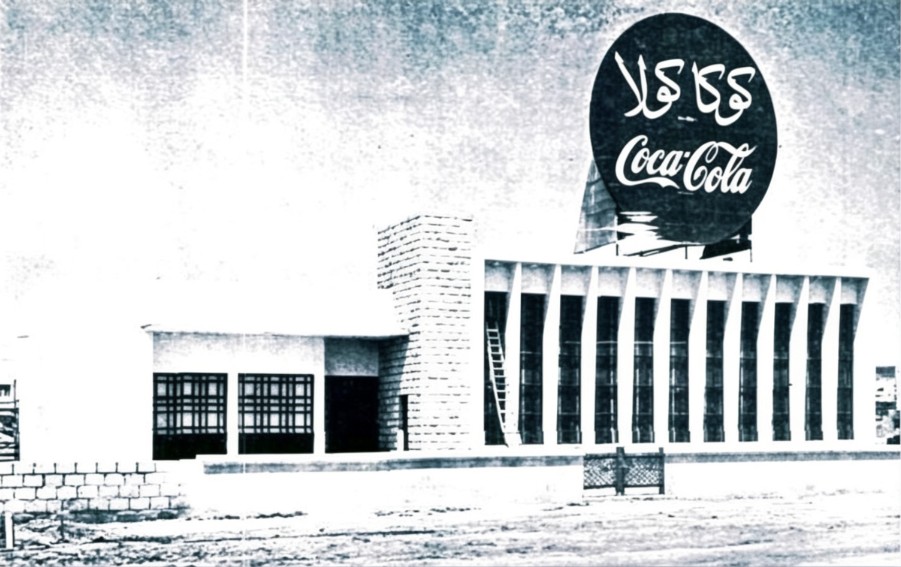
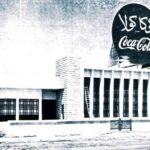
The Coca‑Cola Factory in 1956

The establishment of modern secondary schools — the first of their kind in the East — featuring lecture halls, a boarding section, a swimming pool, and athletic fields.

The establishment of modern secondary schools — the first of their kind in the East — featuring lecture halls, a boarding section, a swimming pool, and athletic fields.

The establishment of modern secondary schools — the first of their kind in the East — featuring lecture halls, a boarding section, a swimming pool, and athletic fields.

King Saud Scientific City in Jeddah, which he gifted to the Ministry of Education in 1956
The Great Mosque of Buraydah, demolished during the “Year of Demolition” in 1376 AH, rebuilt in stone and inaugurated by King Saud in 1379 AH, then later demolished during the reign of King Fahd and renamed in his honor.
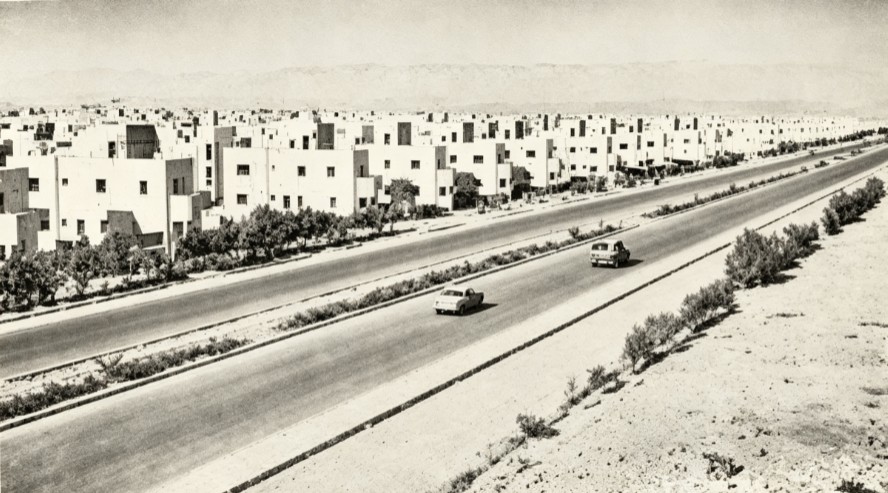
The Al‑Malaz housing villas in 1958

The Ministry of Education, formerly known as the Ministry of Knowledge

The project to establish Saudi television during the reign of King Saud, embodying the government’s determination in 1962 to introduce television in a form suited to the cultural and social fabric of Saudi society — a foundational milestone in the Kingdom’s early broadcasting history.
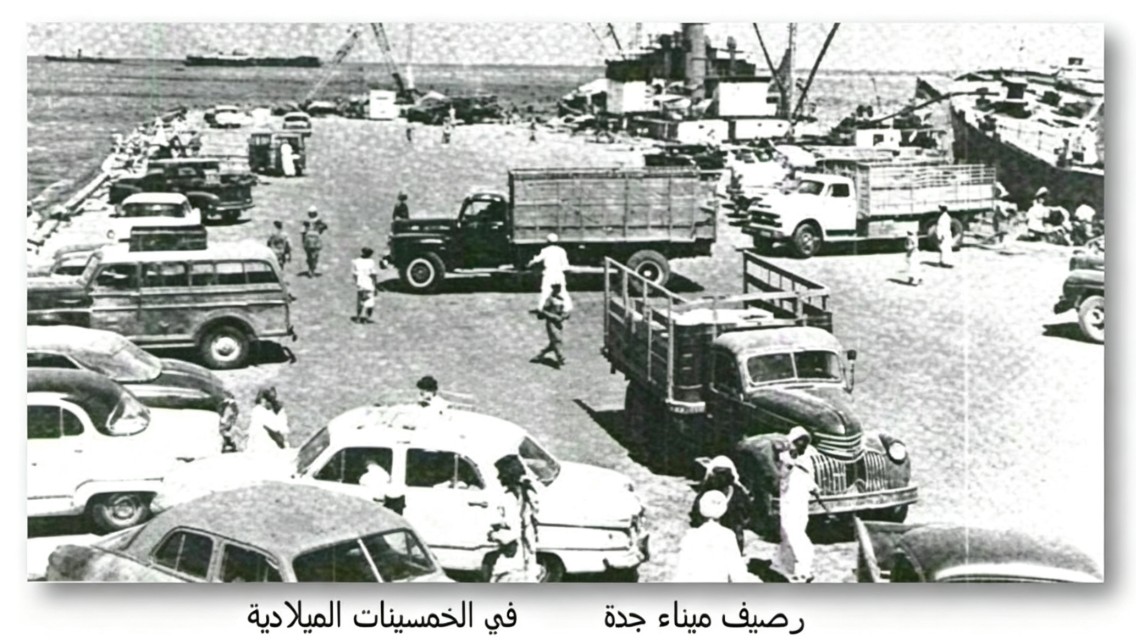
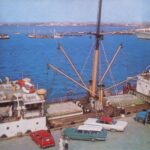
The Jeddah Port Quay
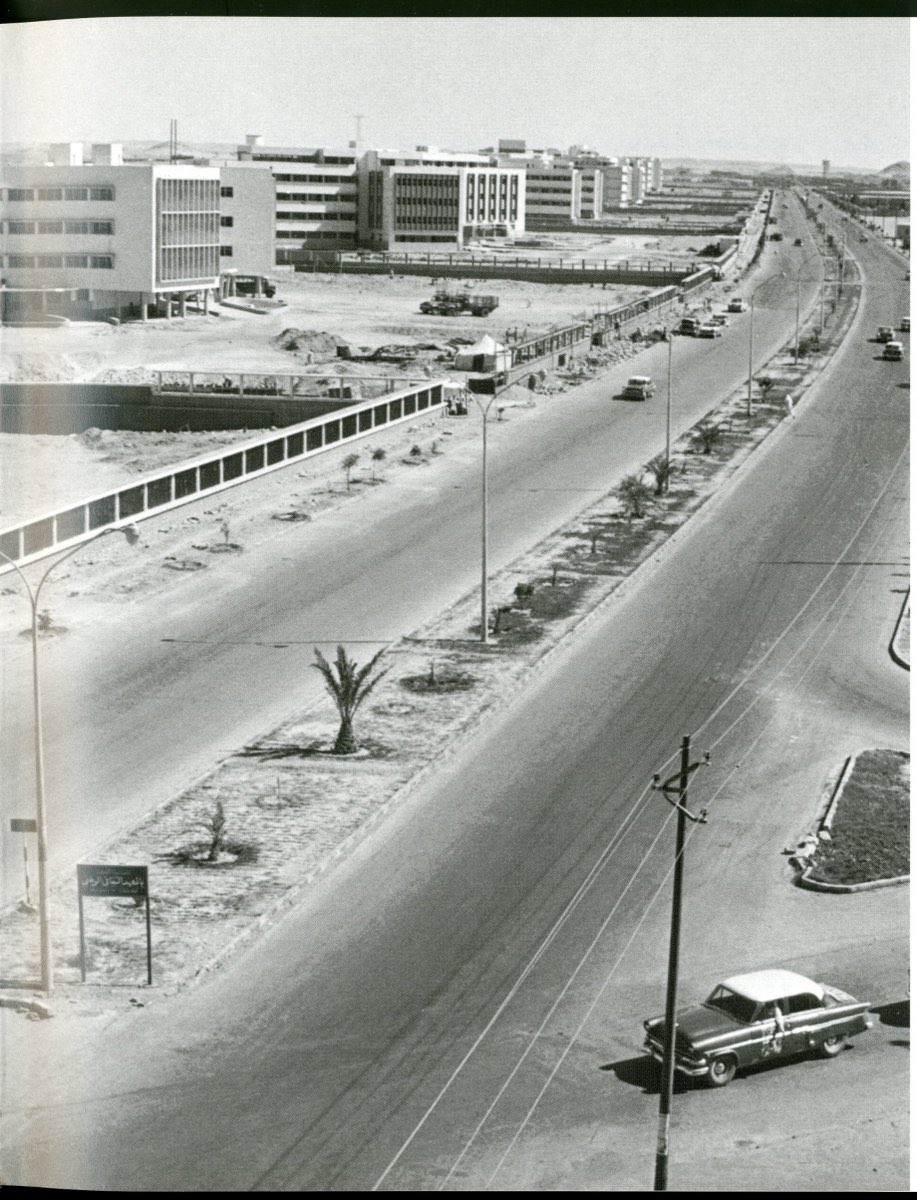
A street in Riyadh, 1958.
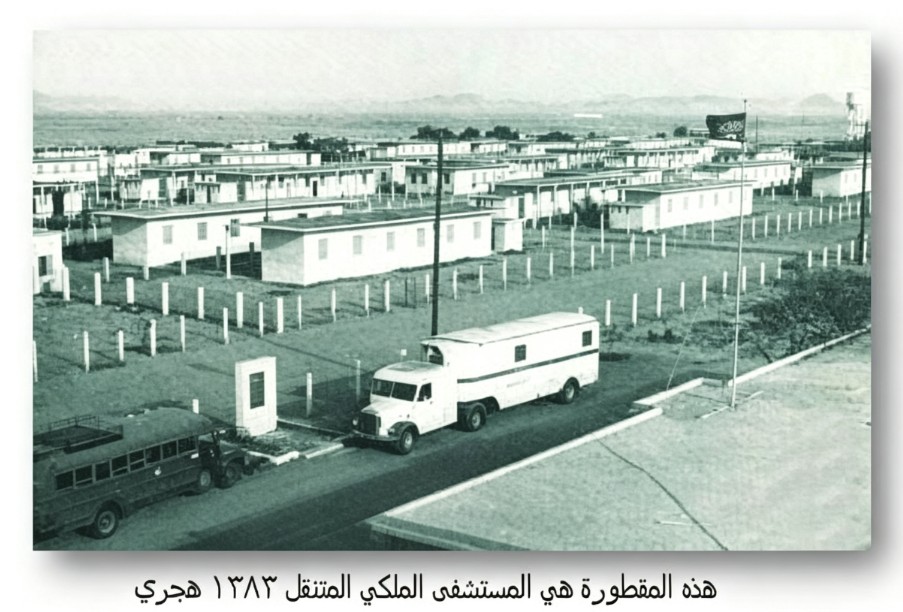
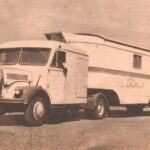
This trailer served as the Royal Mobile Hospital in Riyadh.

Riyadh, 1960.

Riyadh, 1960.
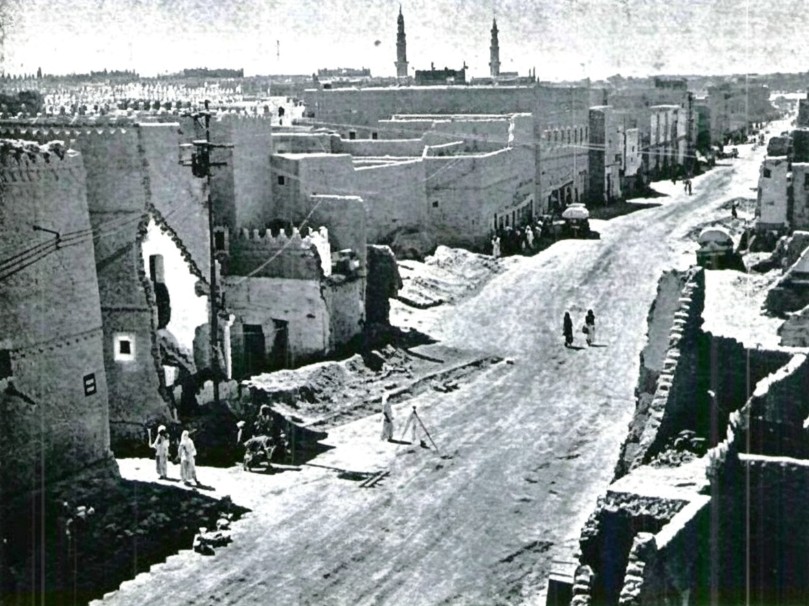
Riyadh street‑widening works, 1955.
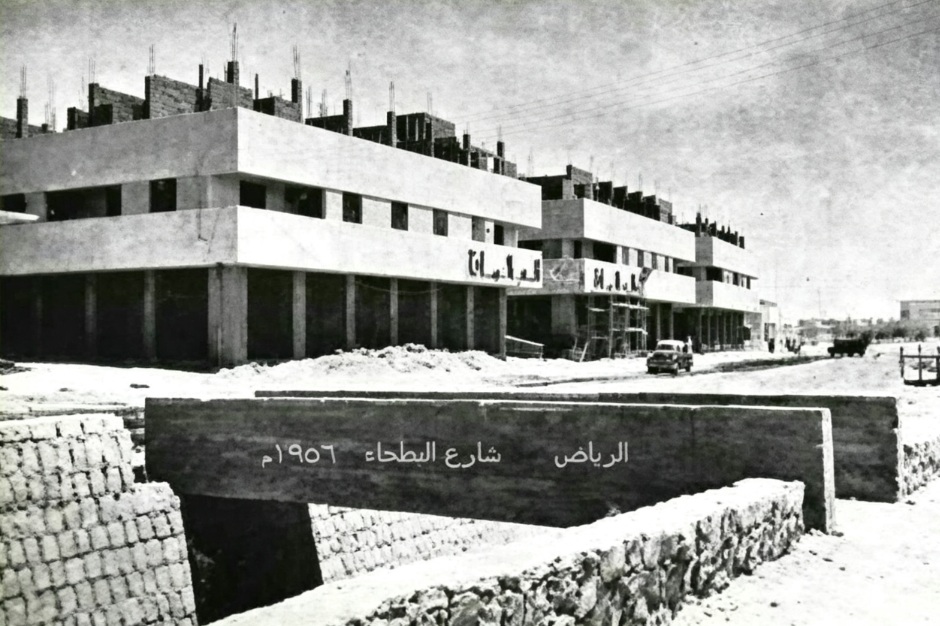
Al‑Bathaa Street in Riyadh, 1956.

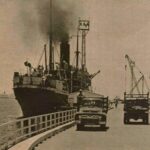
The Port of Jeddah in the 1950s.
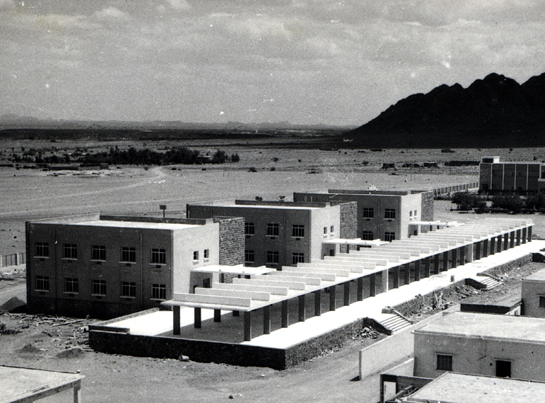
The Islamic University in Al‑Madinah Al‑Munawwarah, located in the Sultanah Valley and founded by King Saud in 1961.
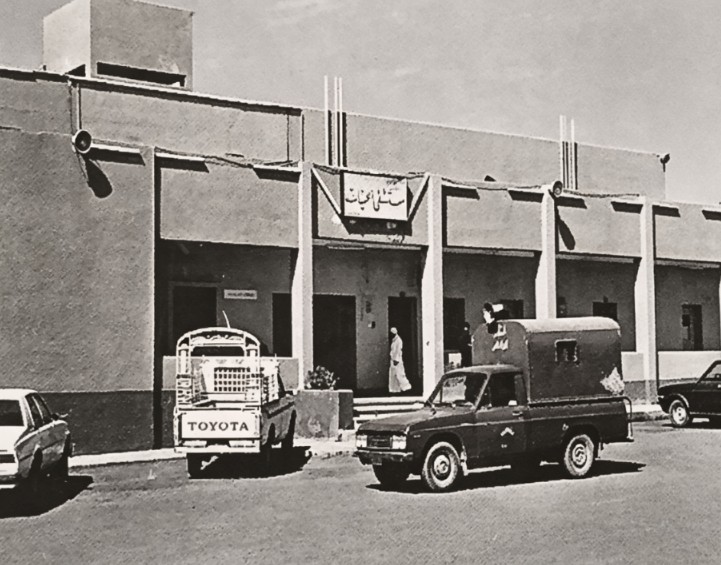
Al‑Mīqāt Hospital in Al‑Madinah Al‑Munawwarah, founded by Crown Prince Saud—later King Saud, may God have mercy on him.

The Ministry of Finance Building in Mecca.

The Riyadh Hotel during the reign of King Saud, 1956.

The modern Jeddah Airport during the reign of King Saud, 1956.

The Government Headquarters in Mecca in 1956, during the reign of King Saud—may God have mercy on him.

The headquarters of the General Directorate of Broadcasting, Press, and Publishing in Jeddah.

A rare photograph of the Riyadh Municipality Building in the 1370s AH, possibly taken during a visit by King Saud—may God have mercy on him.

King Al‑Zāhir Hospital in Mecca during the reign of King Saud, 1956.

Dhahran Airport, inaugurated by King Saud on 12 Dhu al‑Qi‘dah 1381 AH (16 April 1962).

Ayn Najm served as a retreat for King Saud in Al‑Ahsa, where he would camp; today, due to the decline in groundwater, the site has been neglected.
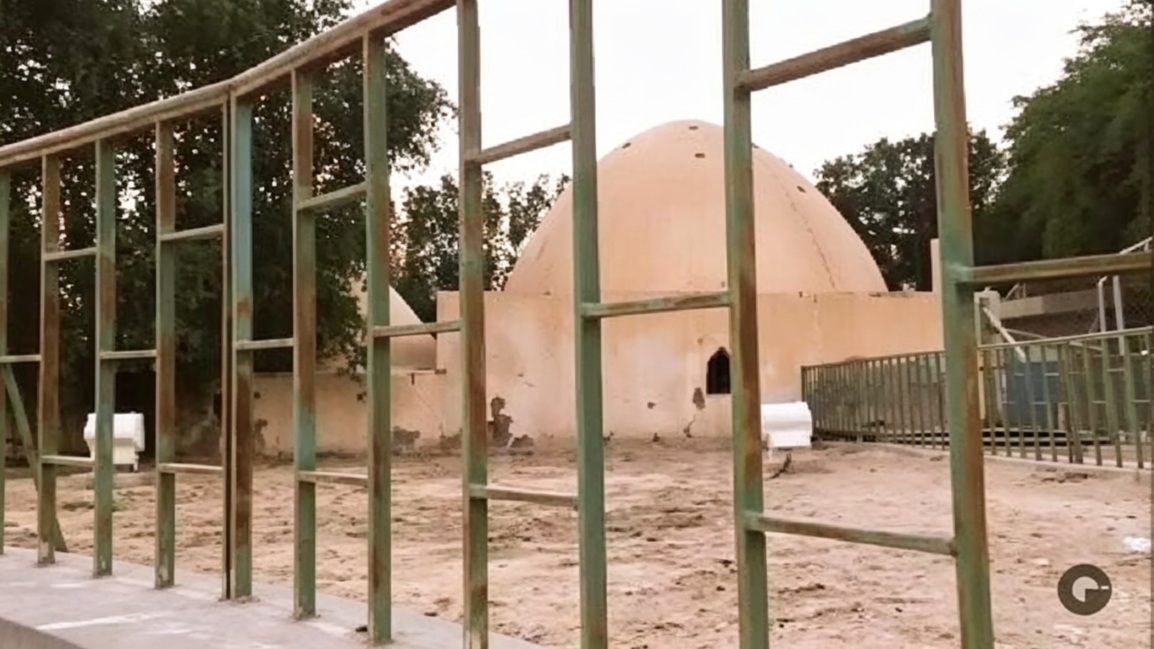
Ayn Najm served as a retreat for King Saud in Al‑Ahsa, where he would camp; today, due to the decline in groundwater, the site has been neglected.

Ayn Najm served as a retreat for King Saud in Al‑Ahsa, where he would camp; today, due to the decline in groundwater, the site has been neglected.
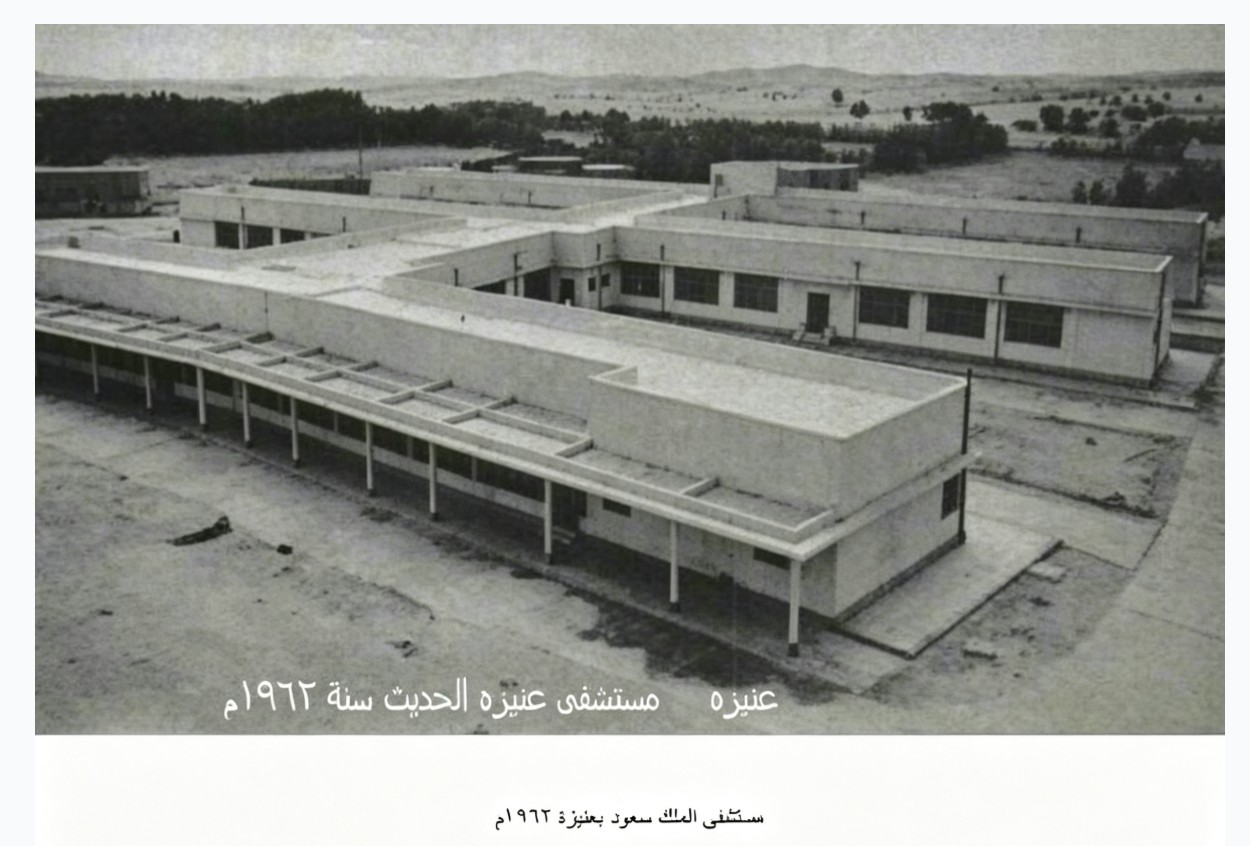
This is King Saud Hospital in Unaizah, remembered as a refuge for local residents at the time due to the strength of its construction, which made it a safe shelter during periods of flooding.
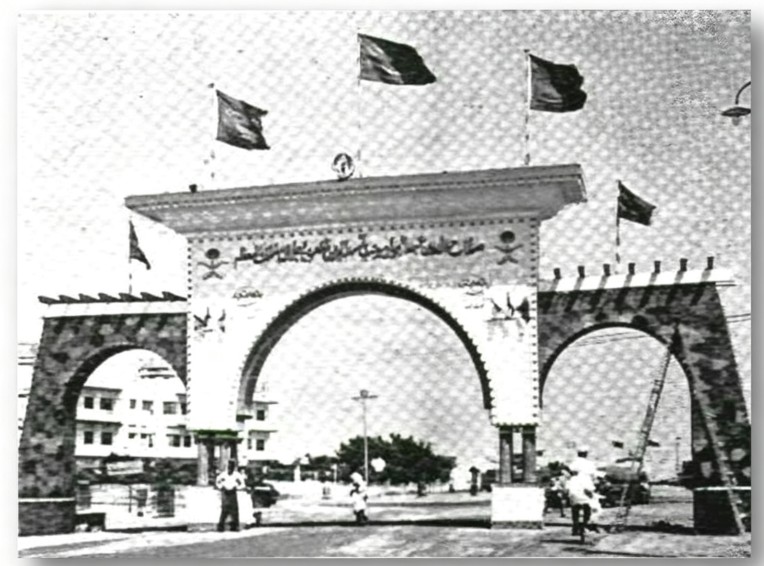
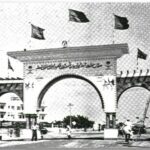
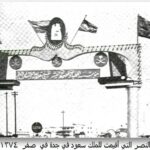
The triumphal arches erected for King Saud in Jeddah in Safar 1374 AH.
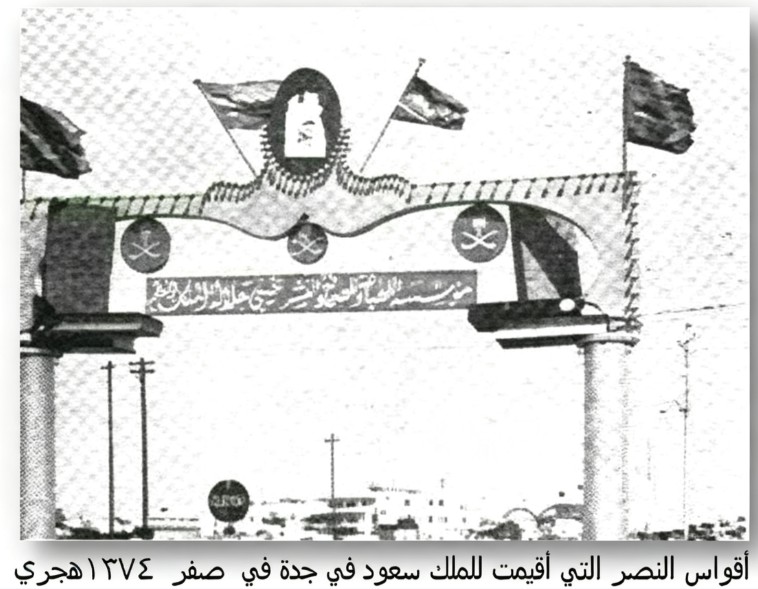
The triumphal arches erected for King Saud in Jeddah in Safar 1374 AH.

The magnificent units of the Royal Palaces — among the finest masterpieces of modern architecture in the Kingdom of Saudi Arabia.
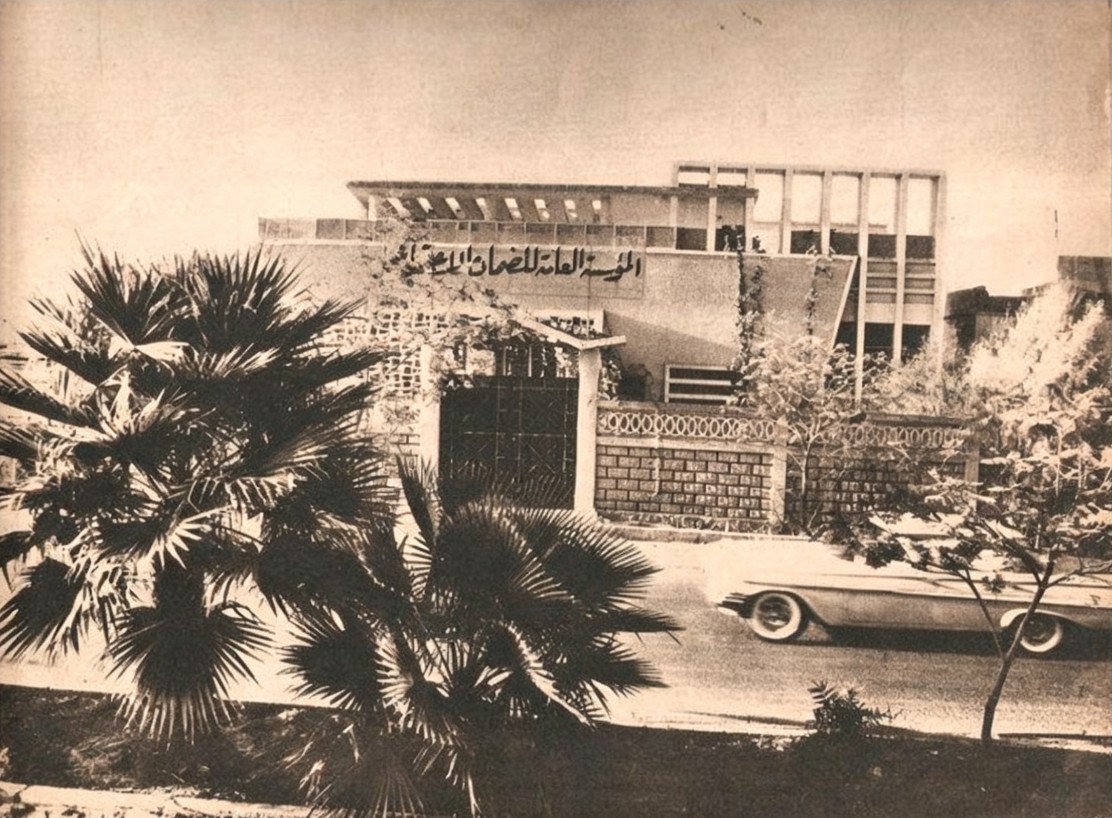
The General Organization for Social Insurance, 1383 AH.

From Aramco World magazine, 1962: Dhahran Airport and newly built residential units.

The Ministry of Health during the reign of King Saud — represented by the construction of Buraidah Hospital, King Saud Hospital, and the Maternity Hospital in Riyadh in 1956.

The Ministry of Health during the reign of King Saud — represented by the construction of Buraidah Hospital, King Saud Hospital, and the Maternity Hospital in Riyadh in 1956.

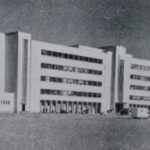
The new Ministry of Health building in Riyadh in 1956, during the reign of King Saud.

A model of Buraidah Hospital, built by King Saud—may God have mercy on him.

Mina Pilgrims’ Hospital in Mecca, built during the reign of King Saud in 1956.

Hadda Hospital in Taif, built by King Saud—may God have mercy on him—in 1956.

Hadda Hospital in Taif, built by King Saud—may God have mercy on him—in 1956.

The main entrance of the new Quarantine Facility in Jeddah.

King Saud rebuilt and modernized Saudi airports — including the main Riyadh Airport, as well as the airports of Taif, Tabuk, Hail, Qassim, Jeddah, and Dhahran, elevating them to international standards.

King Saud rebuilt and modernized Saudi airports — including the main Riyadh Airport, as well as the airports of Taif, Tabuk, Hail, Qassim, Jeddah, and Dhahran, elevating them to international standards.
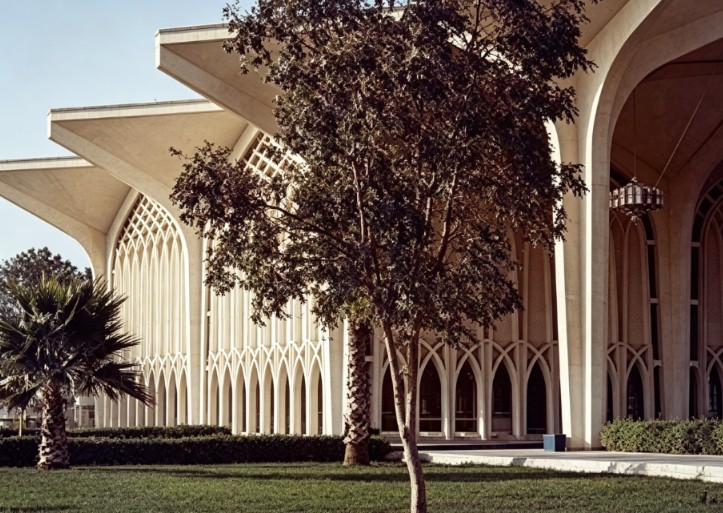
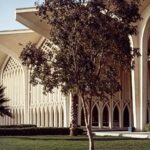
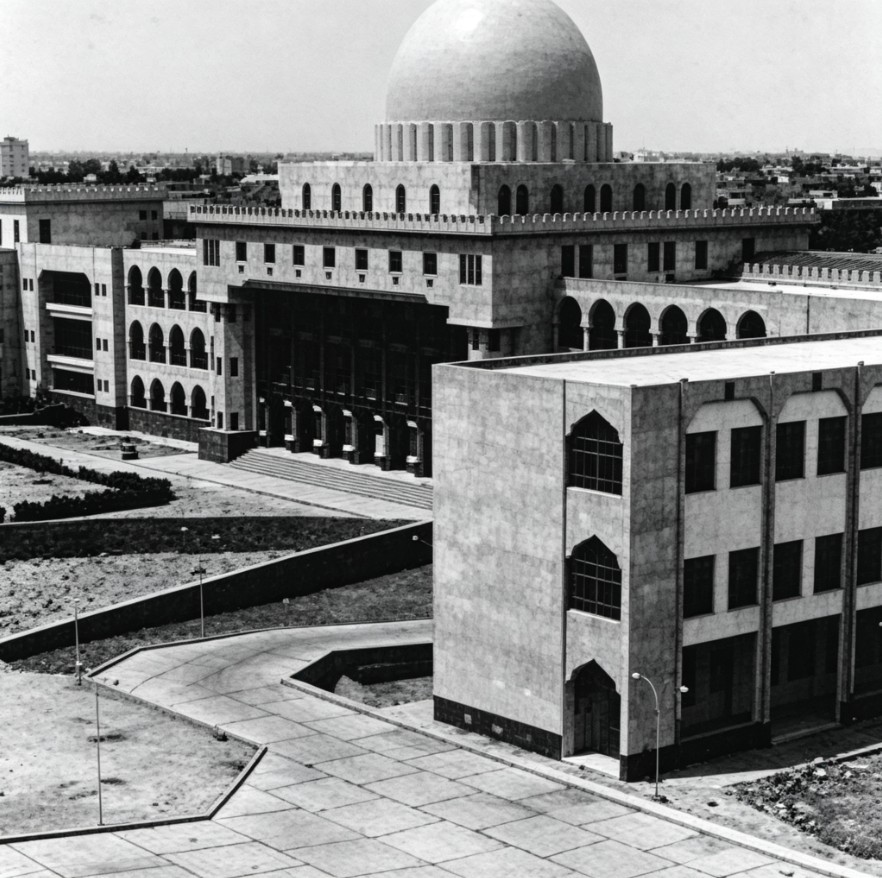
Dhahran Airport, inaugurated by King Saud and designed by the American architect Minoru Yamasaki in 1961, blending Islamic architectural elements with modern technology.

The Abdullah ibn al‑‘Abbās Mosque in Taif, originally built in 592 AH and rebuilt by King Saud—may God have mercy on him—in 1377 AH.

A photograph of Hail General Hospital in 1962.
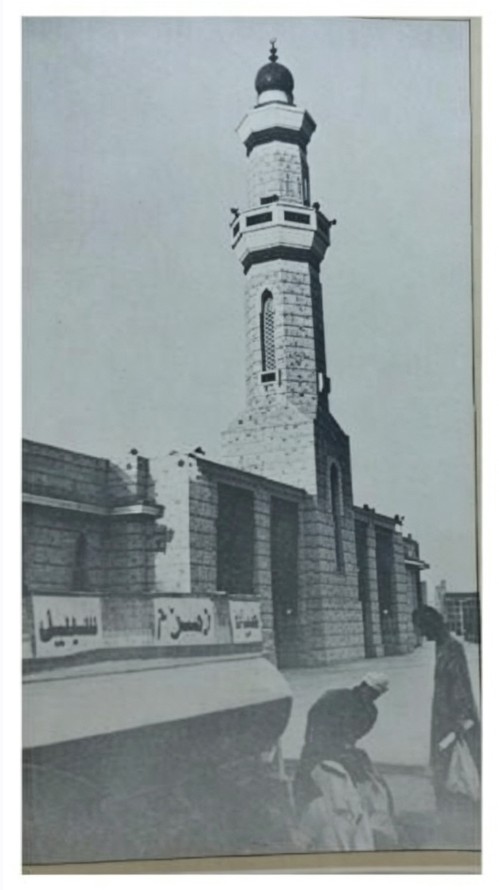
Al‑Hadi Mosque in Taif, rebuilt by King Saud—may God have mercy on him—and counted among the historic mosques that once stood within the old city wall. The mosque is attributed to al‑Sayyid al‑Hadi of Yemen.
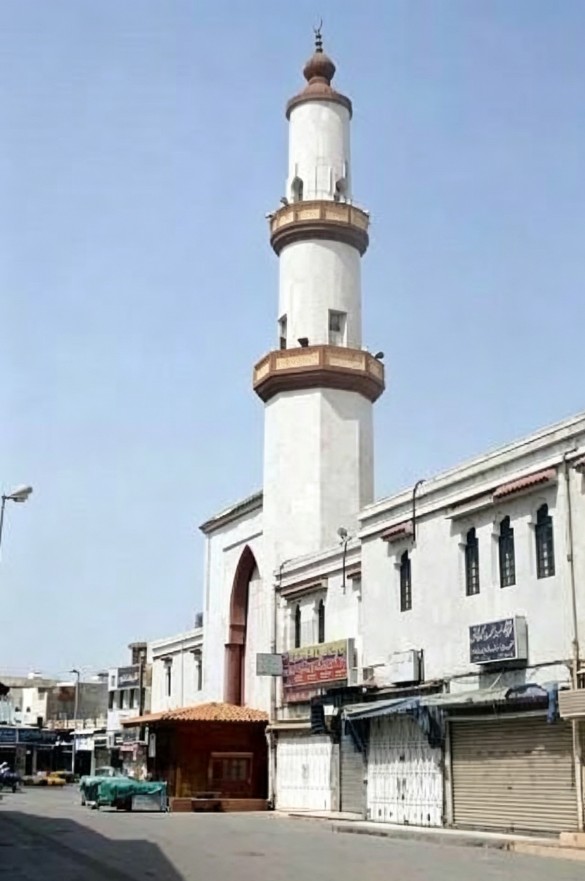
Al‑Hadi Mosque in Taif, rebuilt by King Saud—may God have mercy on him—and counted among the historic mosques that once stood within the old city wall. The mosque is attributed to al‑Sayyid al‑Hadi of Yemen.

The Supreme Planning Council on Ministries Street in Riyadh in 1382 AH, alongside the Oil Caravan of April and May 1963.

Dammam Central Hospital — also known as King Saud Hospital — the primary medical center in the Eastern Province, inaugurated on 1‑8‑1383 AH as the first government‑built medical institution in the region.
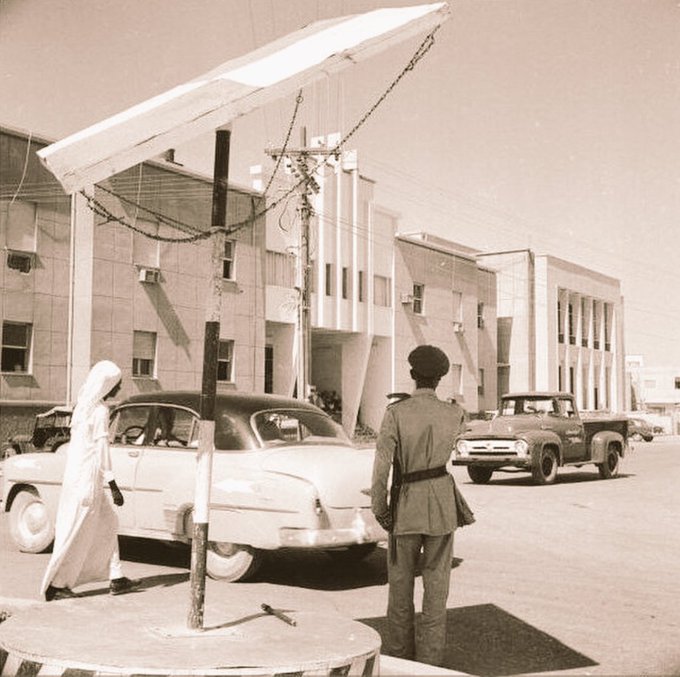
Qasr al‑Hukm in Riyadh, rebuilt by King Saud—may God have mercy on him.

In reality, King Saud owned two types of aircraft: the first was a Convair 340 with piston engines, and the second was a de Havilland Comet jet aircraft, registered as SA‑R‑7, which crashed in the Alps in 1963.
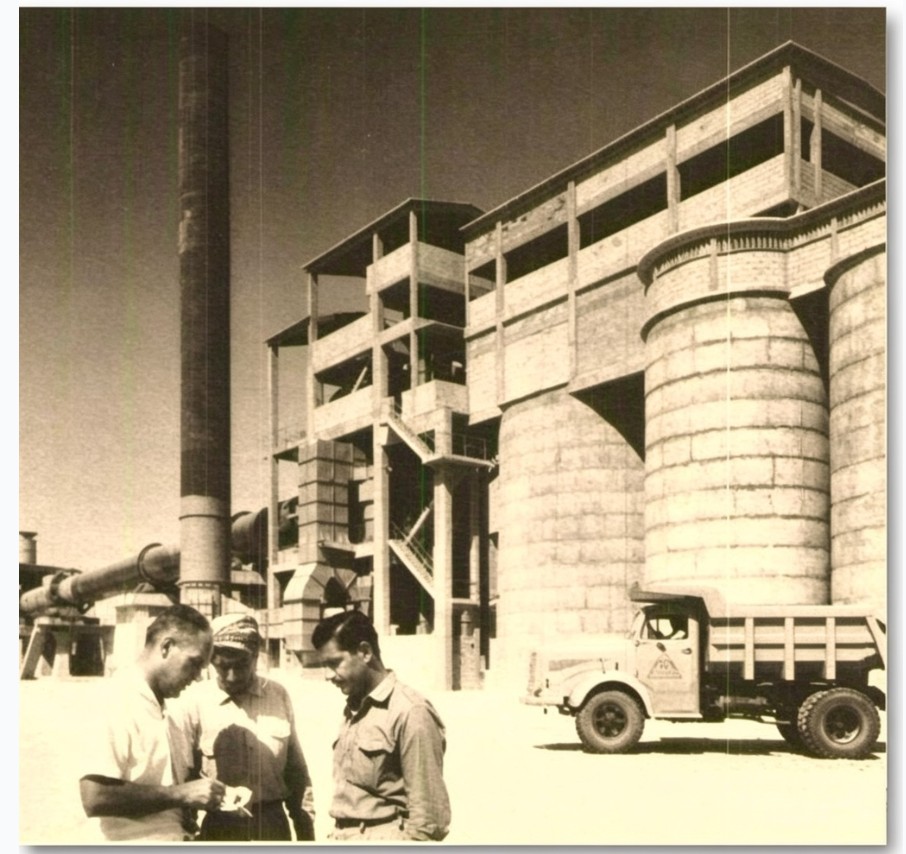
The Cement Factory in Al‑Hofuf, established in 1383 AH.
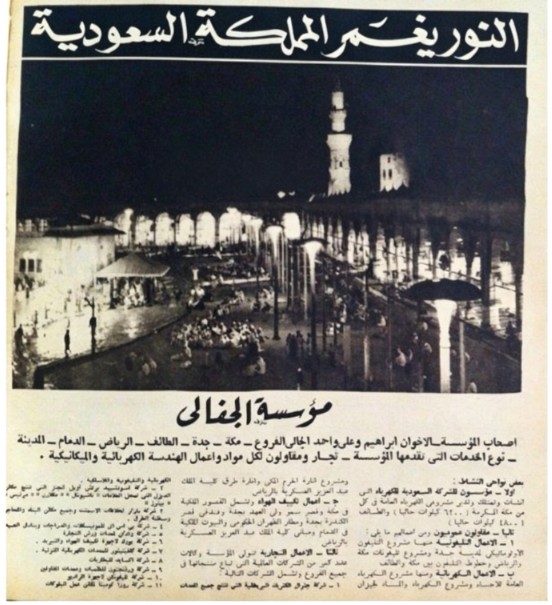
An advertisement for the Juffali Electric Company promoting the illumination of the Holy Mosque in 1376 AH.
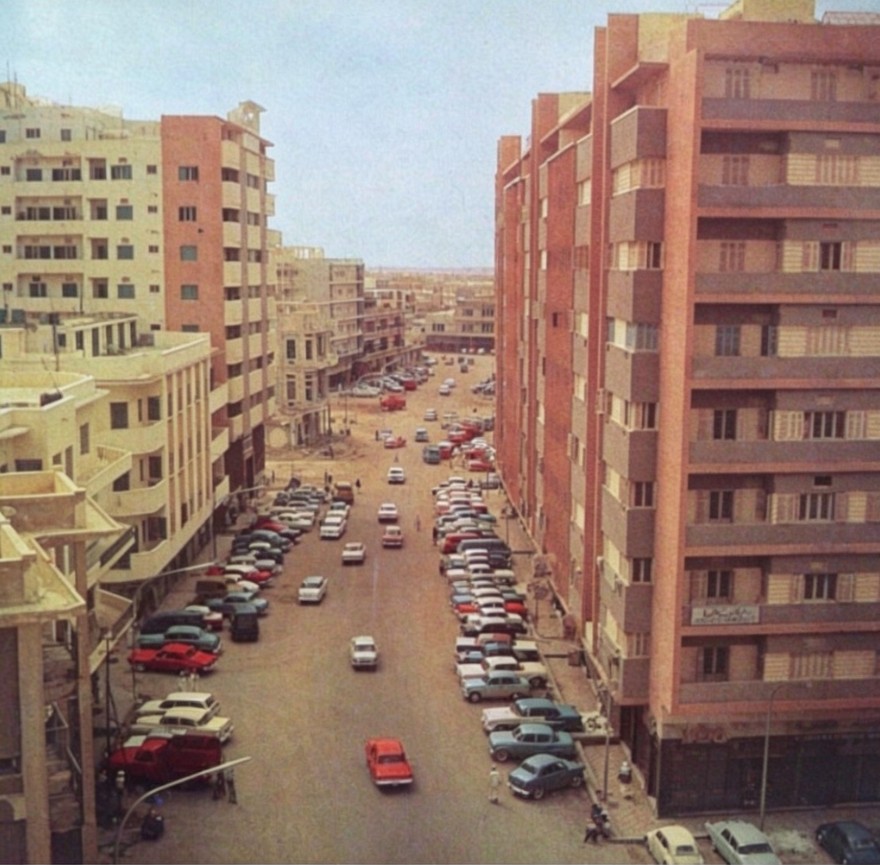
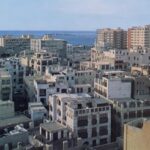
Jeddah Port, Old Jeddah, the Obhur Shoreline, and King Abdulaziz Street during the reign of King Saud, as featured in Al‑Arabi magazine of Kuwait.
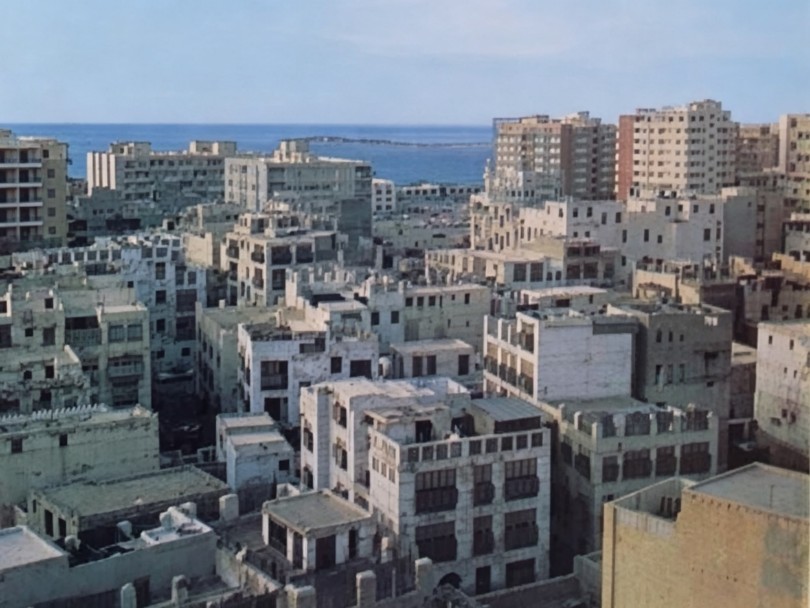
Jeddah Port, Old Jeddah, the Obhur Shoreline, and King Abdulaziz Street during the reign of King Saud, as featured in Al‑Arabi magazine of Kuwait.
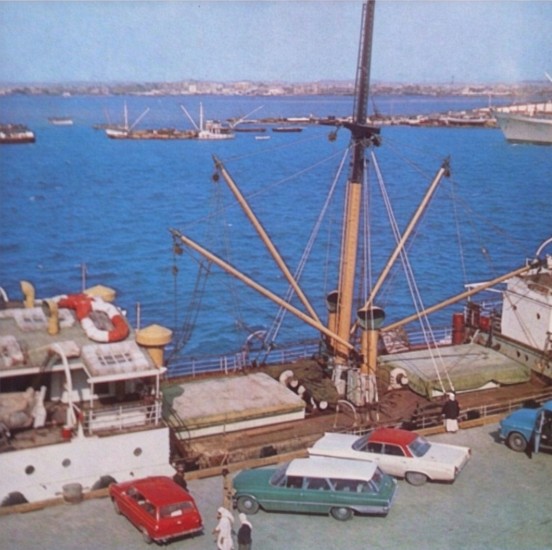
Jeddah Port, Old Jeddah, the Obhur Shoreline, and King Abdulaziz Street during the reign of King Saud, as featured in Al‑Arabi magazine of Kuwait.
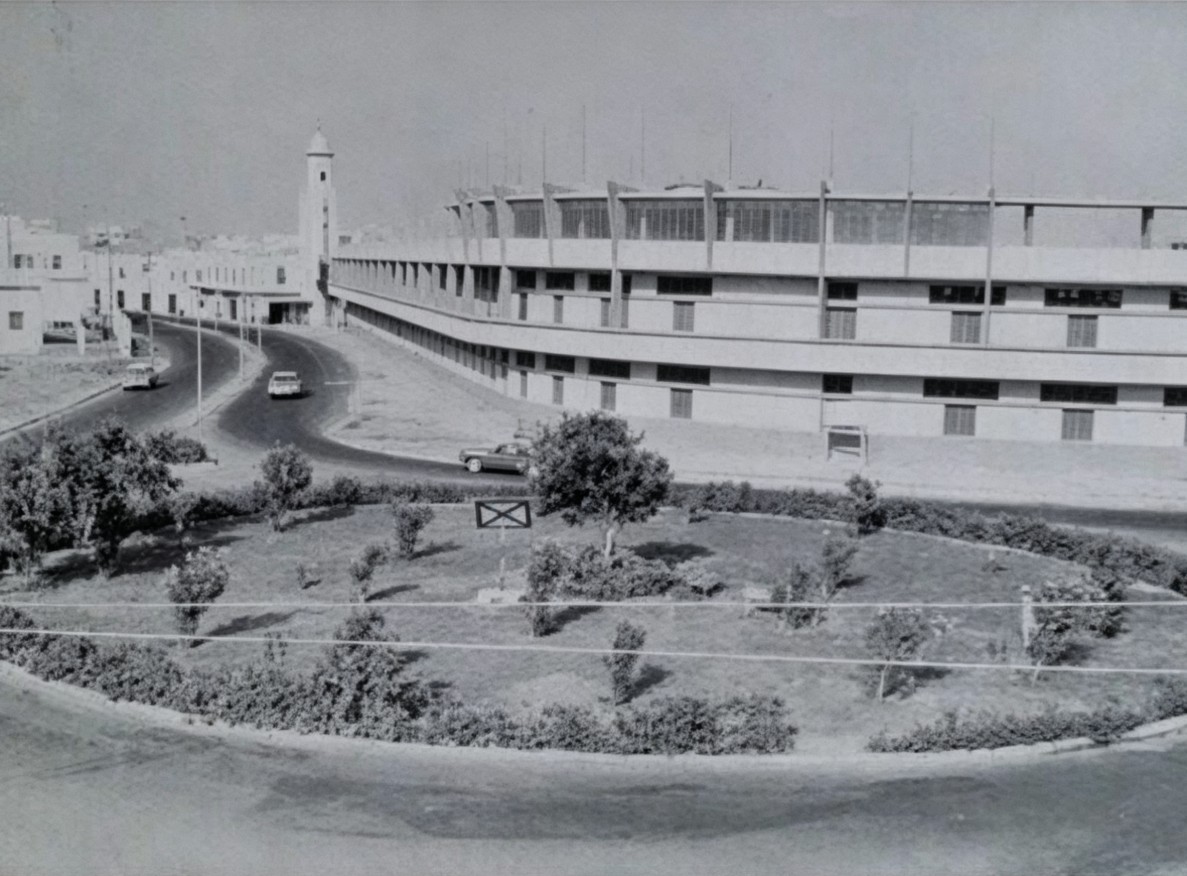
The Pilgrims’ City in Jeddah, established by King Saud—may God have mercy on him.
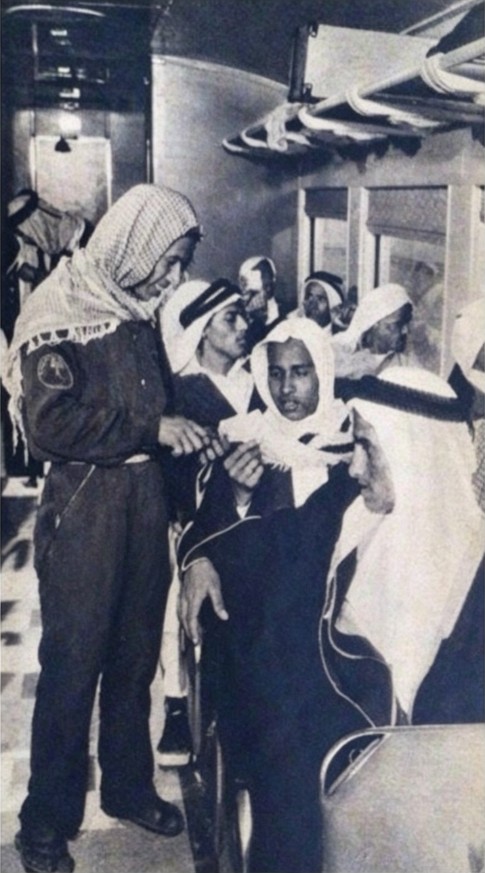
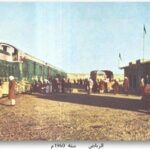
The Saudi Railway in 1376 AH, during the reign of King Saud, running from Dhahran to Riyadh.
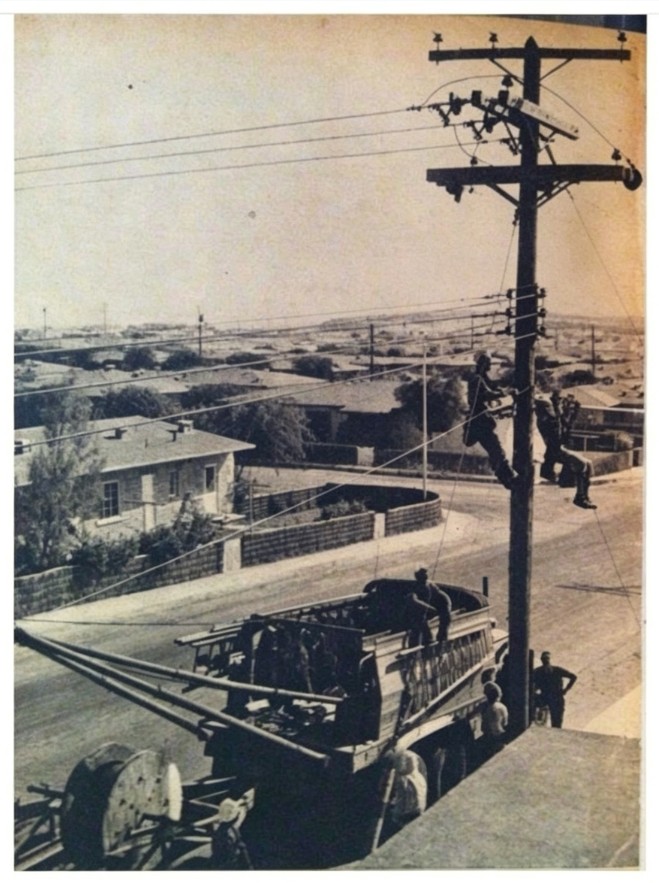
The extension of electrical power to homes in 1376 AH during the reign of King Saud—may God have mercy on him.
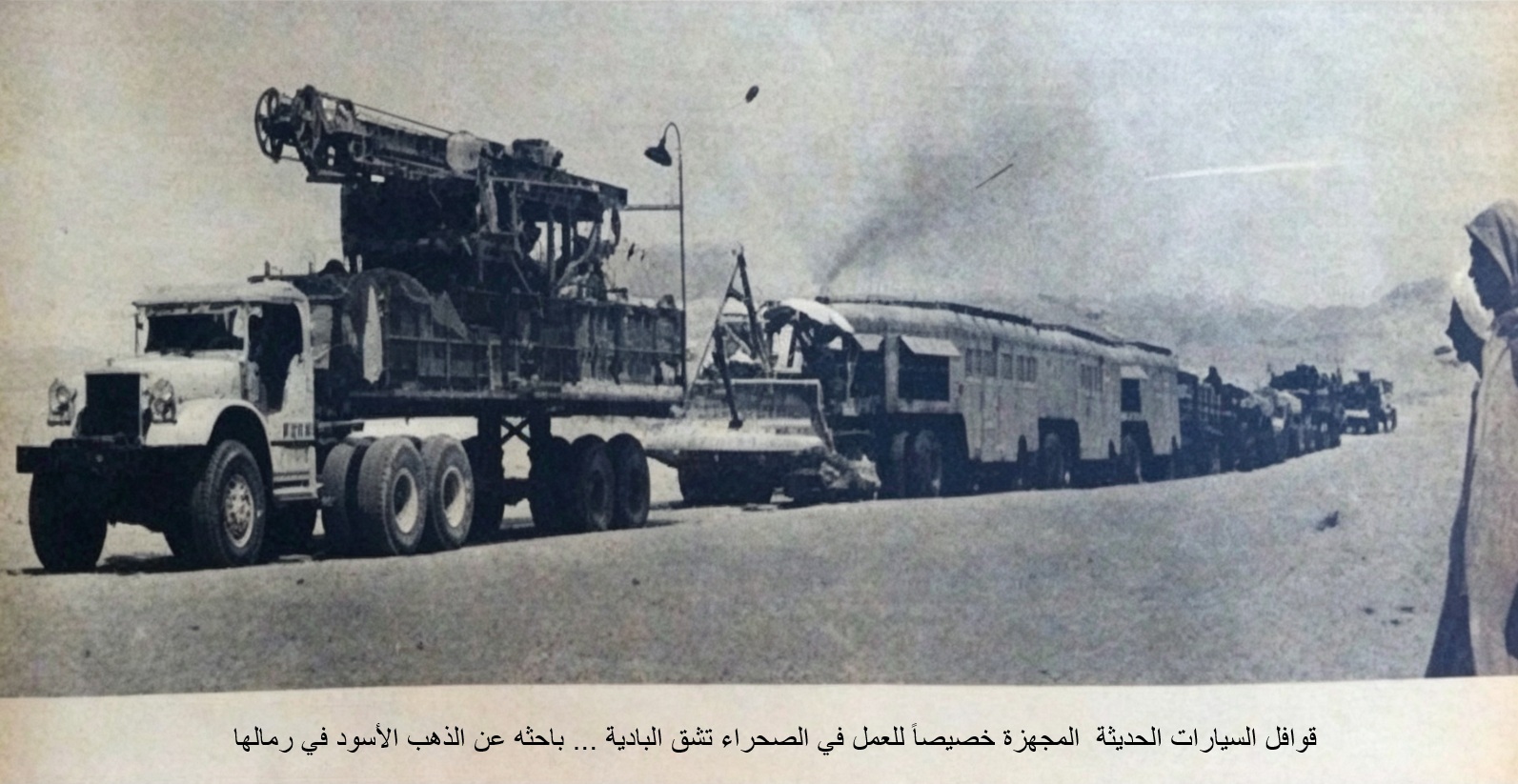
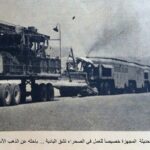
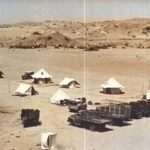
The fully equipped caravans deployed for oil exploration in the desert during the reign of King Saud in 1376 AH.
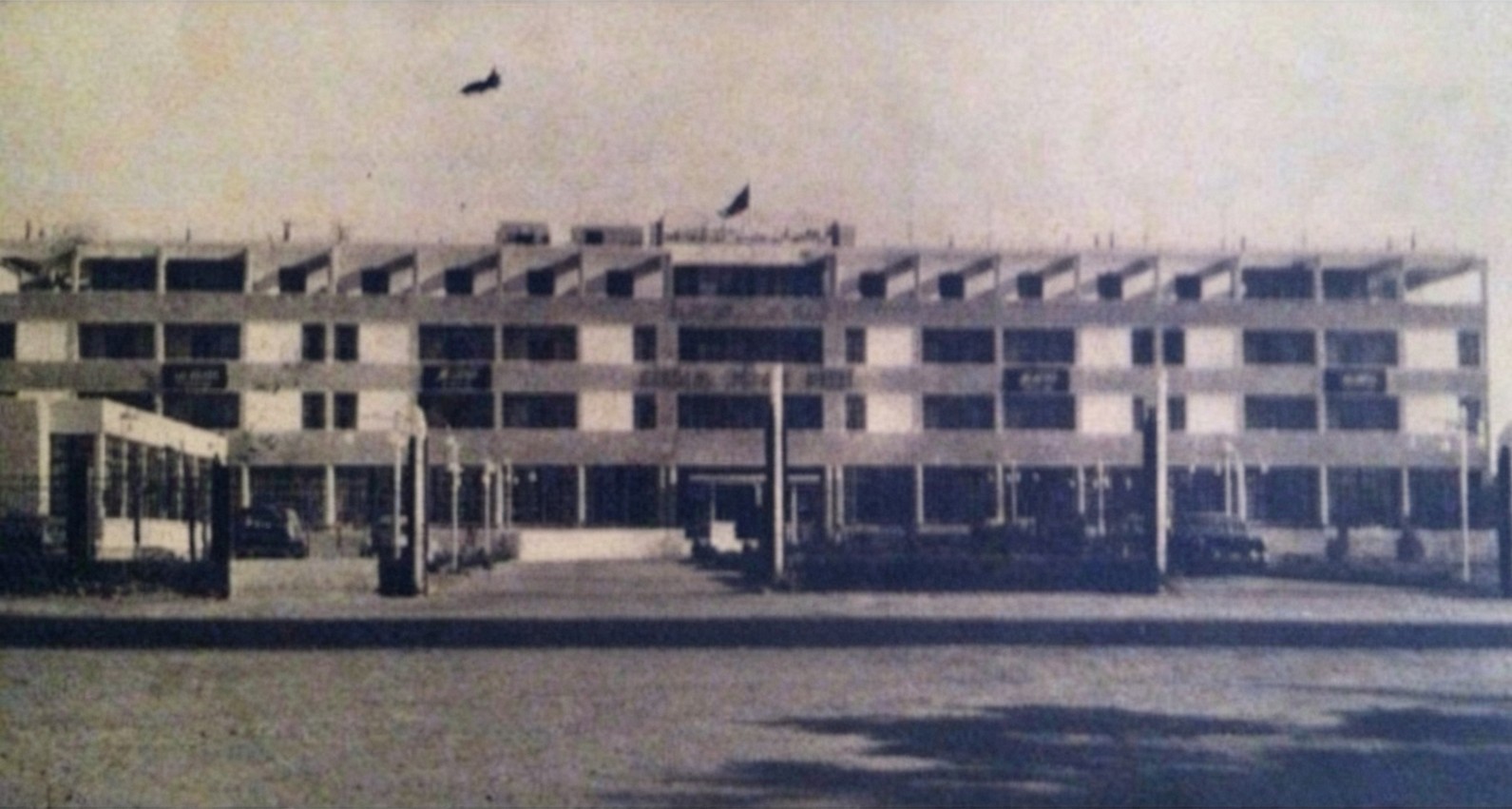
The Qasr al‑Kandarah Hotel in Jeddah in 1930, where King Abdulaziz—may God have mercy on him—used to stay; and the hotel as it appeared in 1956 during the reign of King Saud.
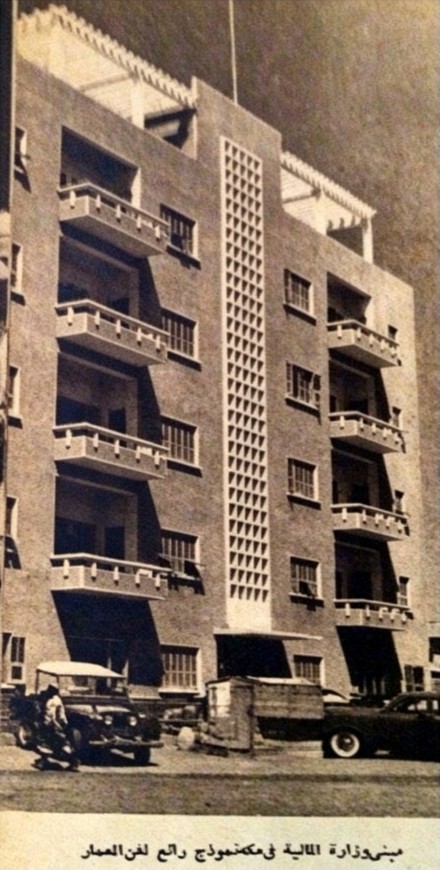
The Ministry of Finance in Makkah during the reign of King Saud—may God have mercy on him—in 1376 AH.

The inauguration of Hail’s Umm al‑Qura Hospital by King Saud—may God have mercy on him—on 31‑5‑1379 AH.

The water reservoir built in Al‑Zulfi by order of King Saud—may God have mercy on him—for all the towns of the region, later demolished by the municipality.

The Emirate Palace in ʿArʿar, built by King Saud—may God have mercy on him—in 1373 AH, constructed using early green‑building methods in a distinctive U‑shaped layout.

An archival photograph of King Saud Street in its early years, captured from the Al‑Zamil Building.
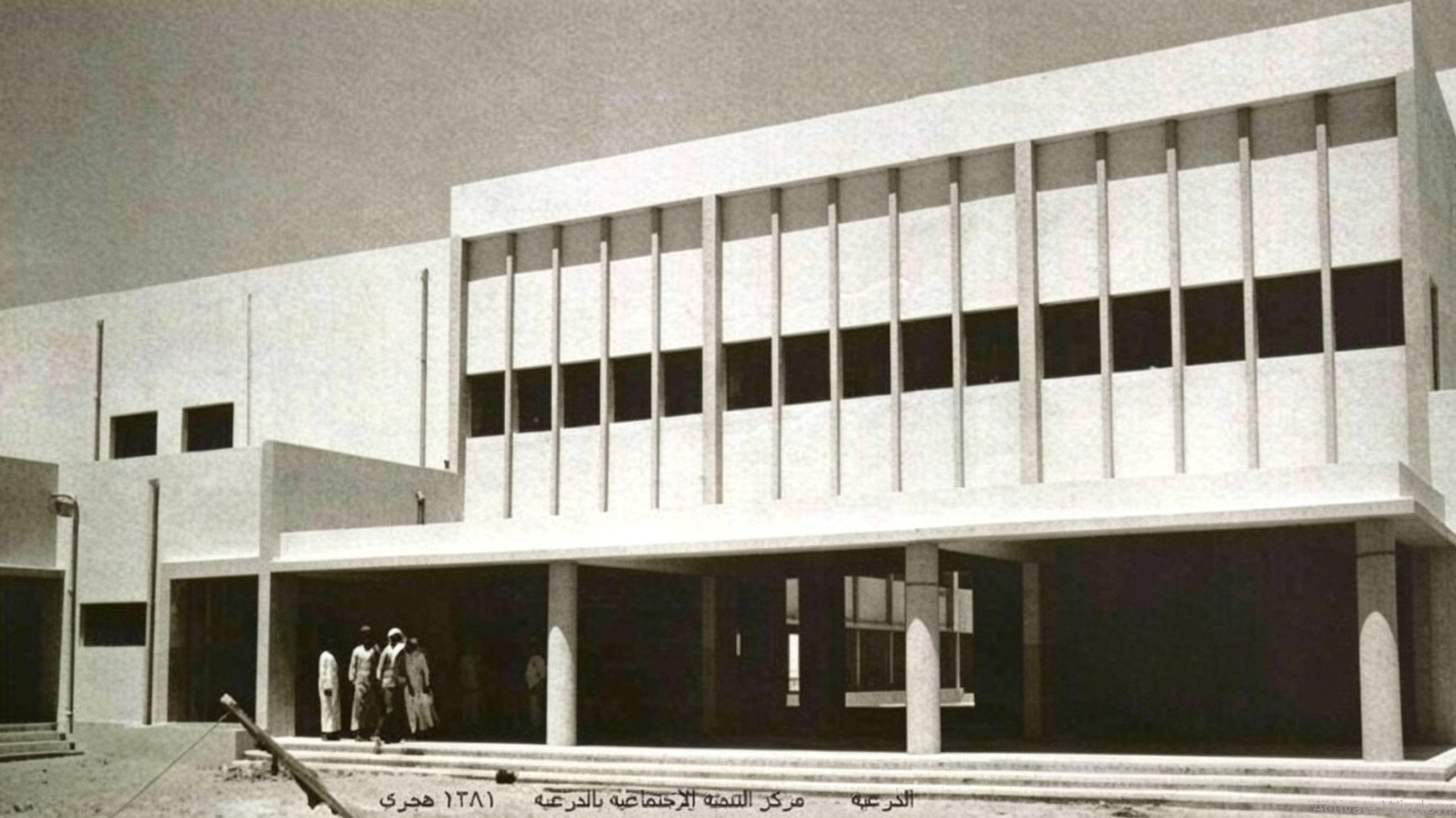
The Social Development Center in Al‑Dirʿiyyah, established in 1381 AH / 1962 AD during the reign of King Saud—may God have mercy on him.
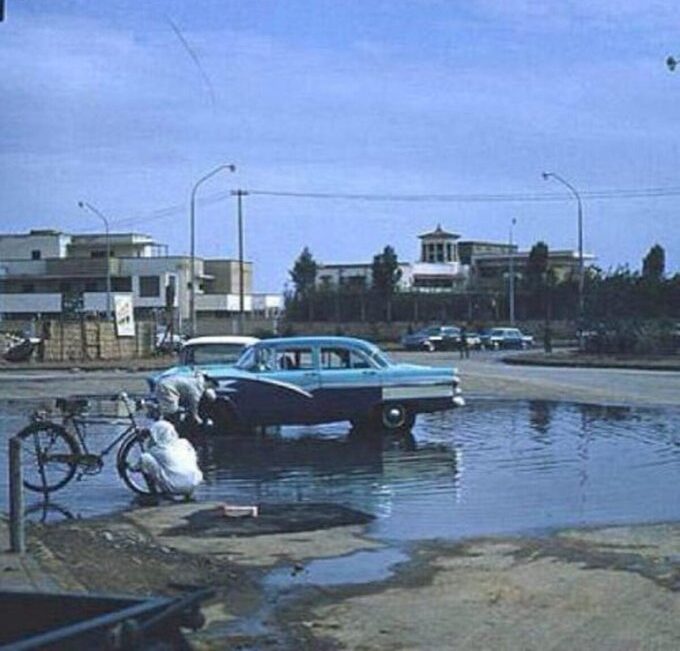
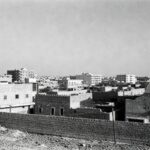
Riyadh in the 1960s.
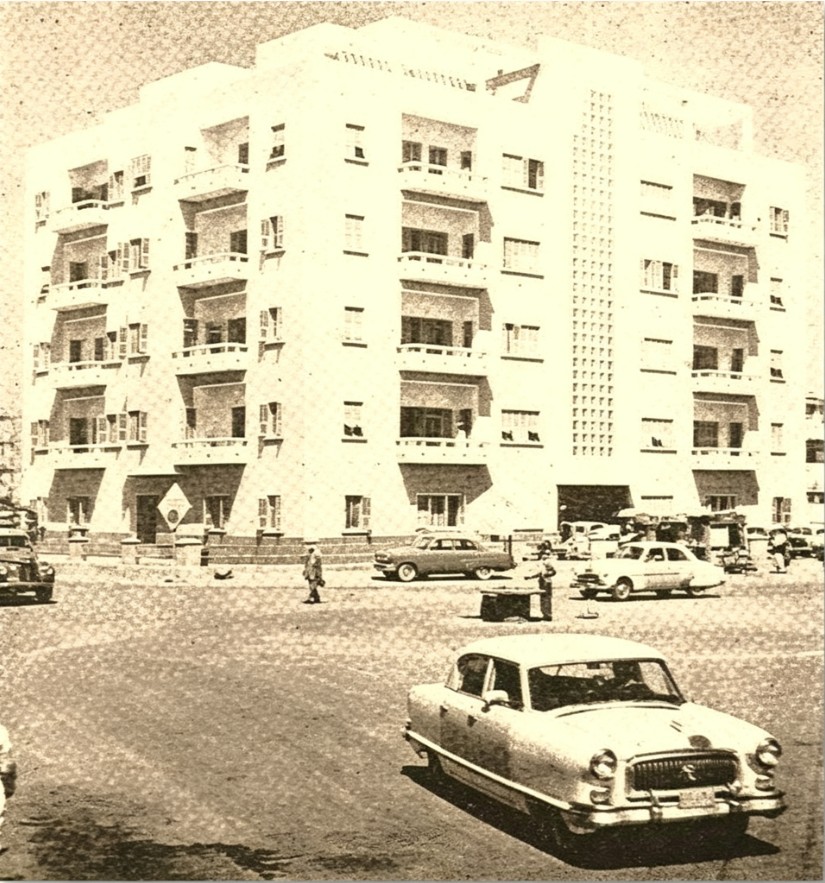
The Ministry of Finance during the reign of King Saud—may God have mercy on him.
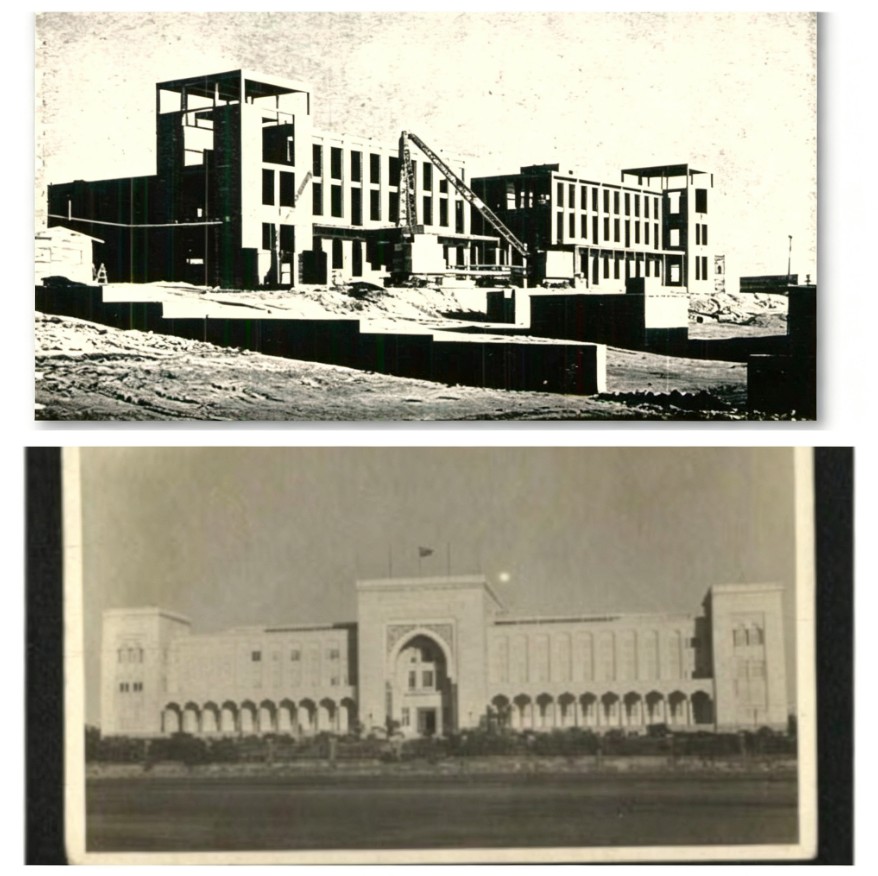
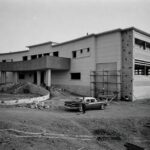
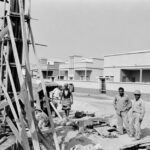
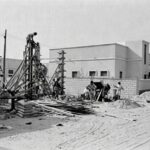
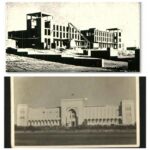
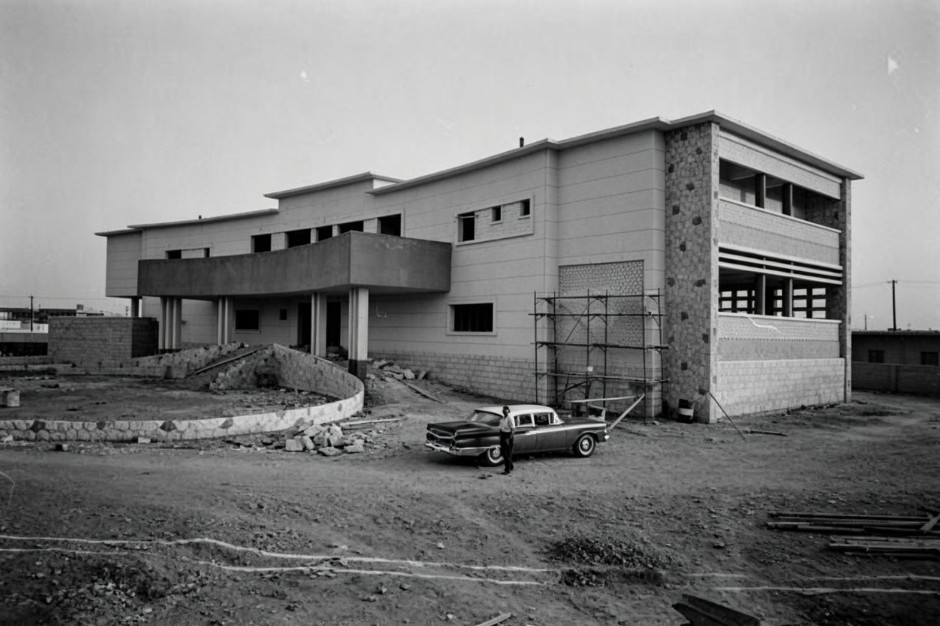
A building from the era of King Saud—may God have mercy on him—shown in archival photographs before and after its completion.

The General Organization for Social Insurance building, constructed in 1383 AH during the reign of King Saud—may God have mercy on him.
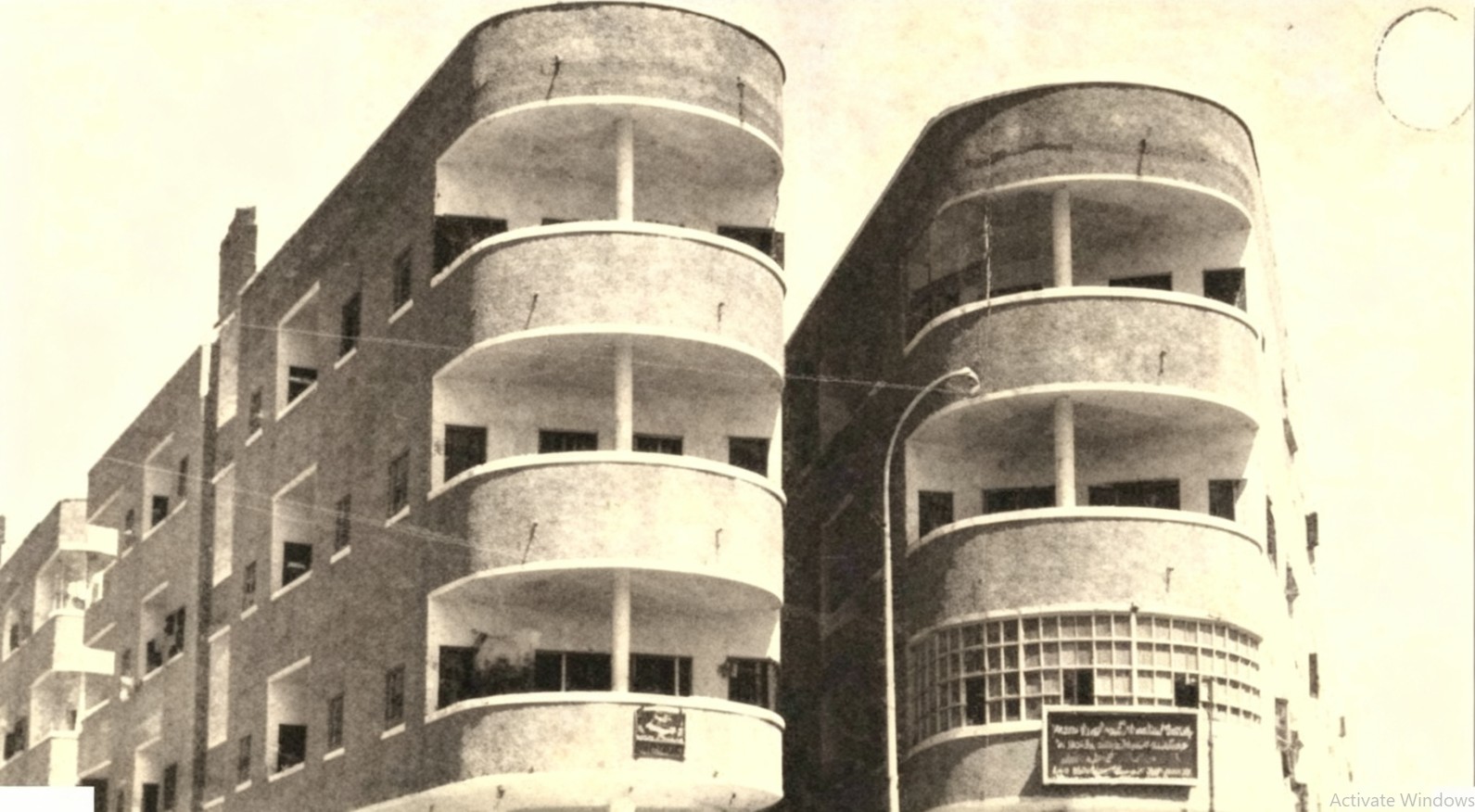
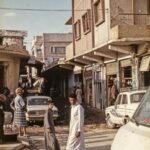
Bab Sharif Street in Jeddah in 1377 AH.
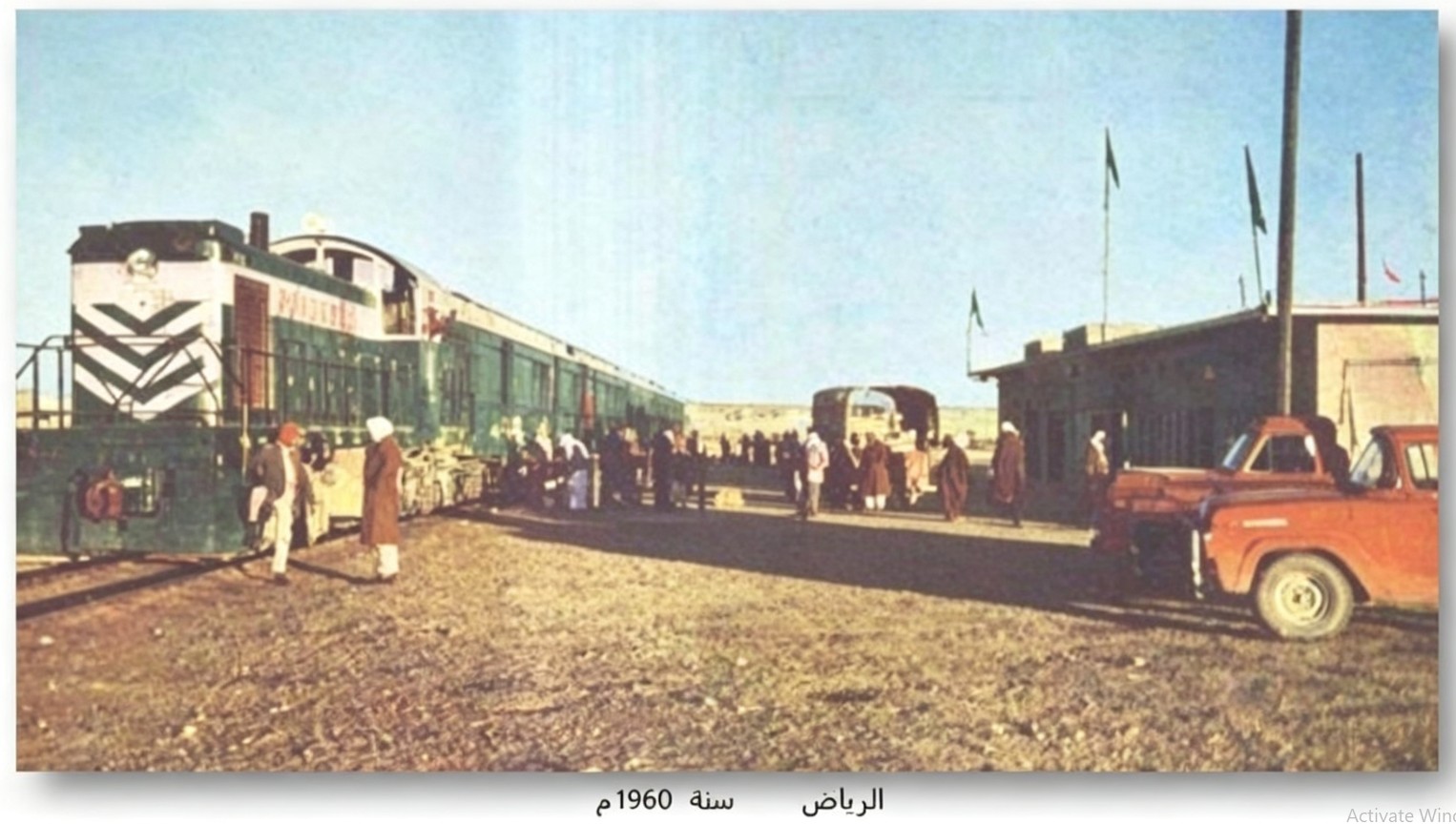
Riyadh, 1960.
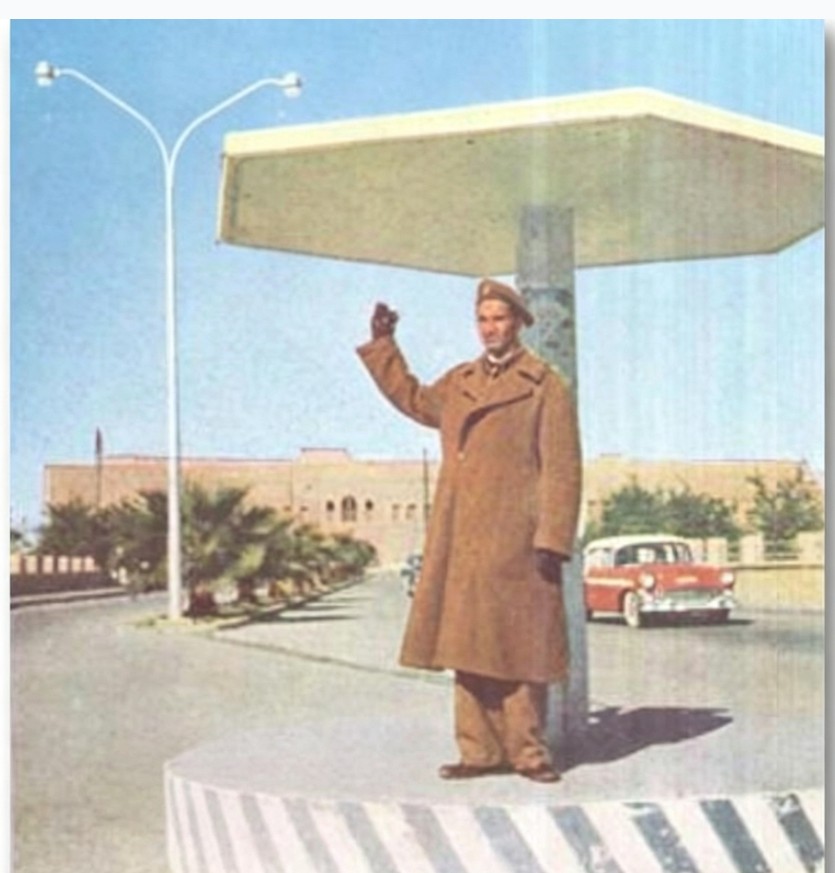
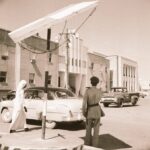
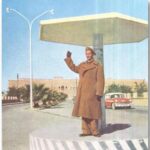
A traffic officer in Riyadh, 1960.
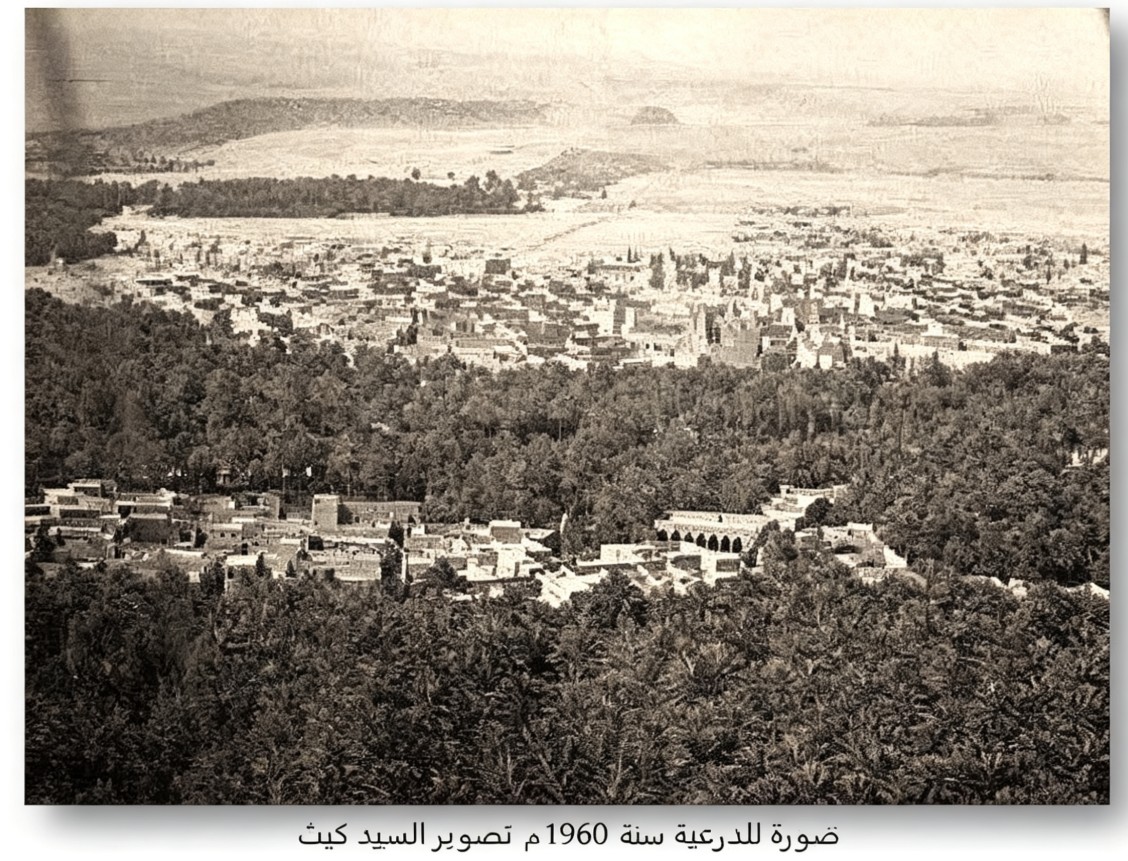
Photographs of Al‑Dirʿiyyah taken in 1960 by Mr. Keith.
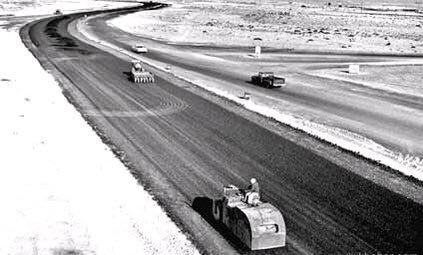
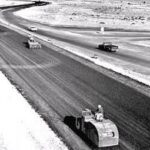
A photograph documenting the construction of the Khobar–Dhahran Road in 1959.

The urban renaissance during the reign of King Saud in 1956, exemplified here by Qasr Khuzam in Jeddah.

The urban renaissance during the reign of King Saud in 1956, represented here by the garden of Qasr Khuzam in Jeddah.

The urban renaissance during the reign of King Saud in 1956, with His Majesty—may God have mercy on him—performing the Eid al‑Fitr prayer at the Eid Musalla among the gathered worshippers.

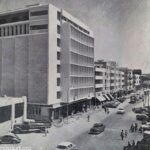
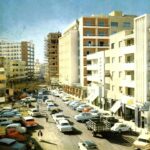
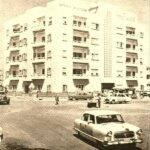
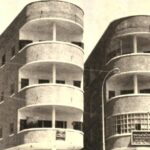
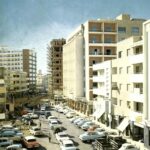
The urban renaissance during the reign of King Saud in 1956, featuring modern commercial centers and office buildings in Jeddah.

The urban renaissance during the reign of King Saud, reflected in the emergence of modern buildings in Jeddah.

The urban renaissance during the reign of King Saud in 1956, featuring the Printing, Press, and Publishing Corporation building on the Makkah Road.
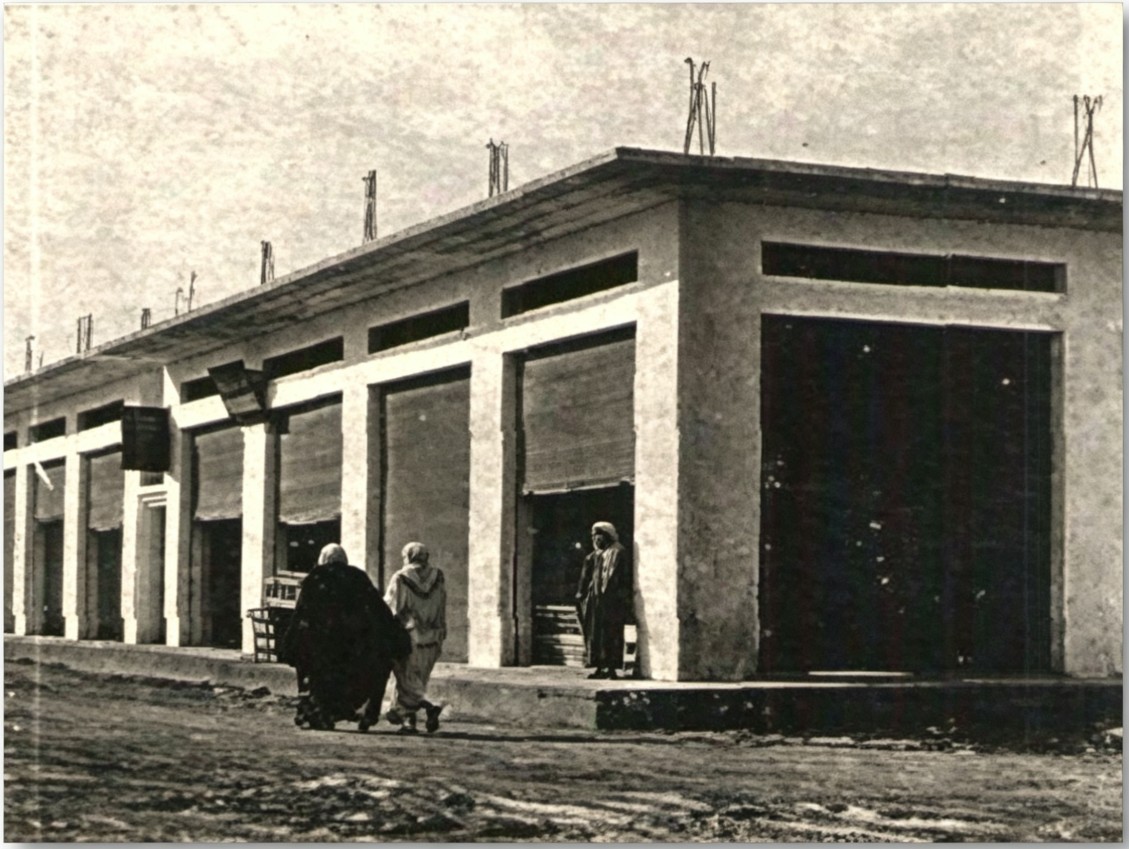
Al‑Khobar in the year 1373 AH.
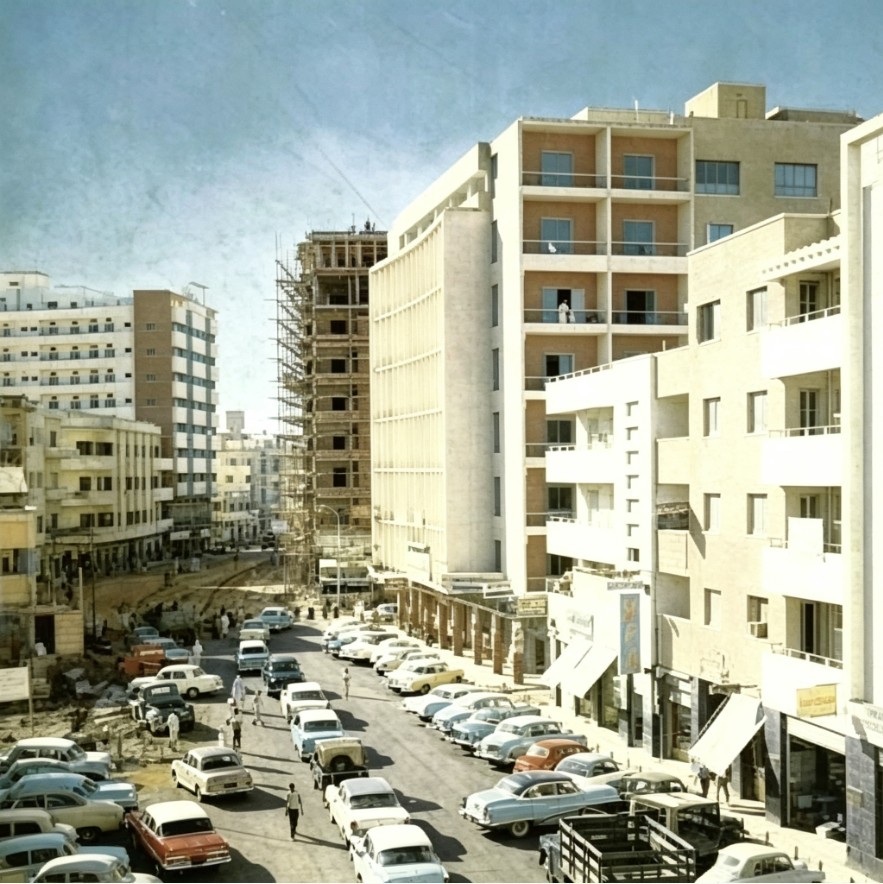
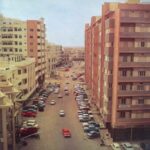
King Abdulaziz Street in Jeddah, 1957.
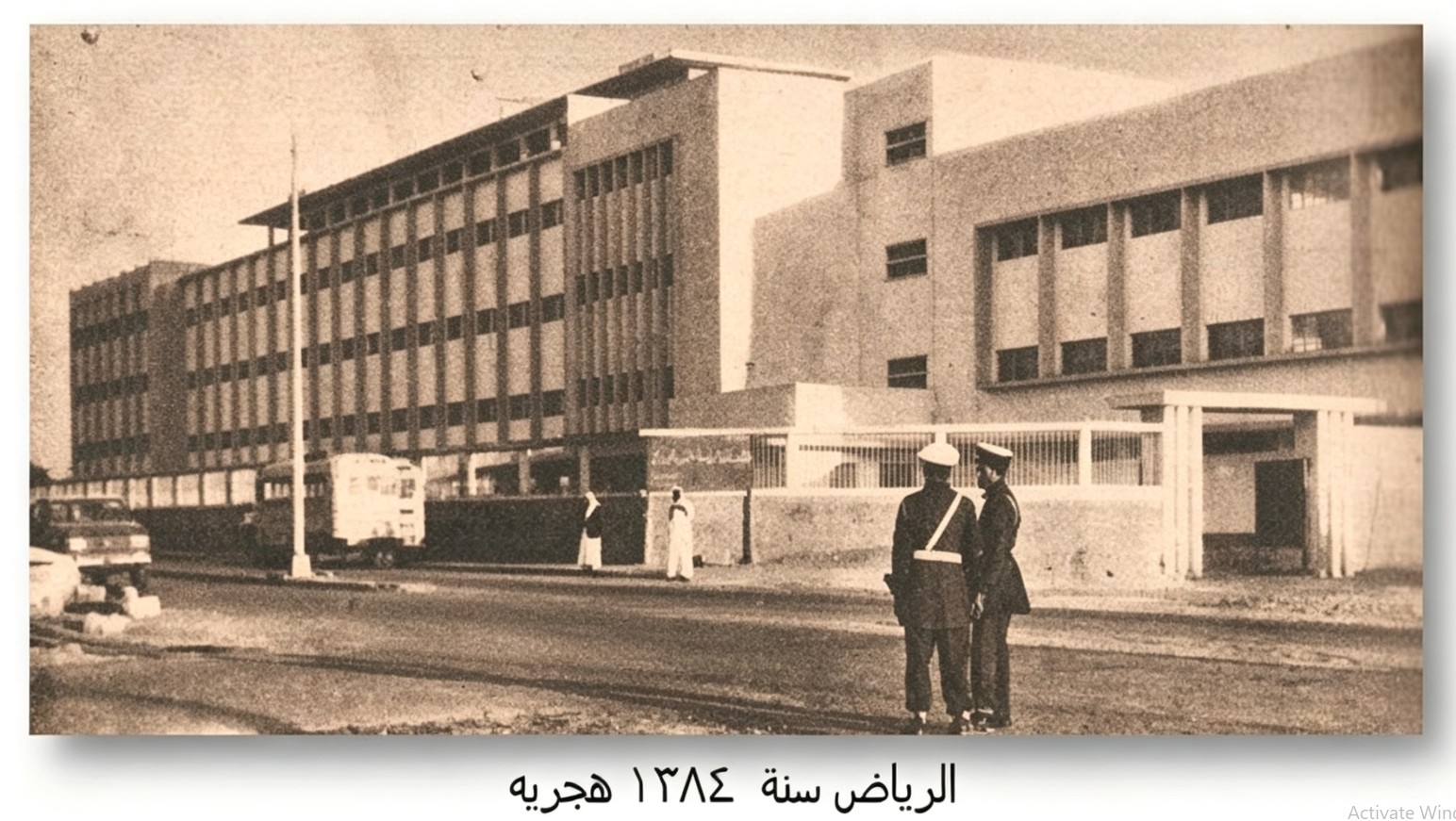
Riyadh in the year 1384 AH.
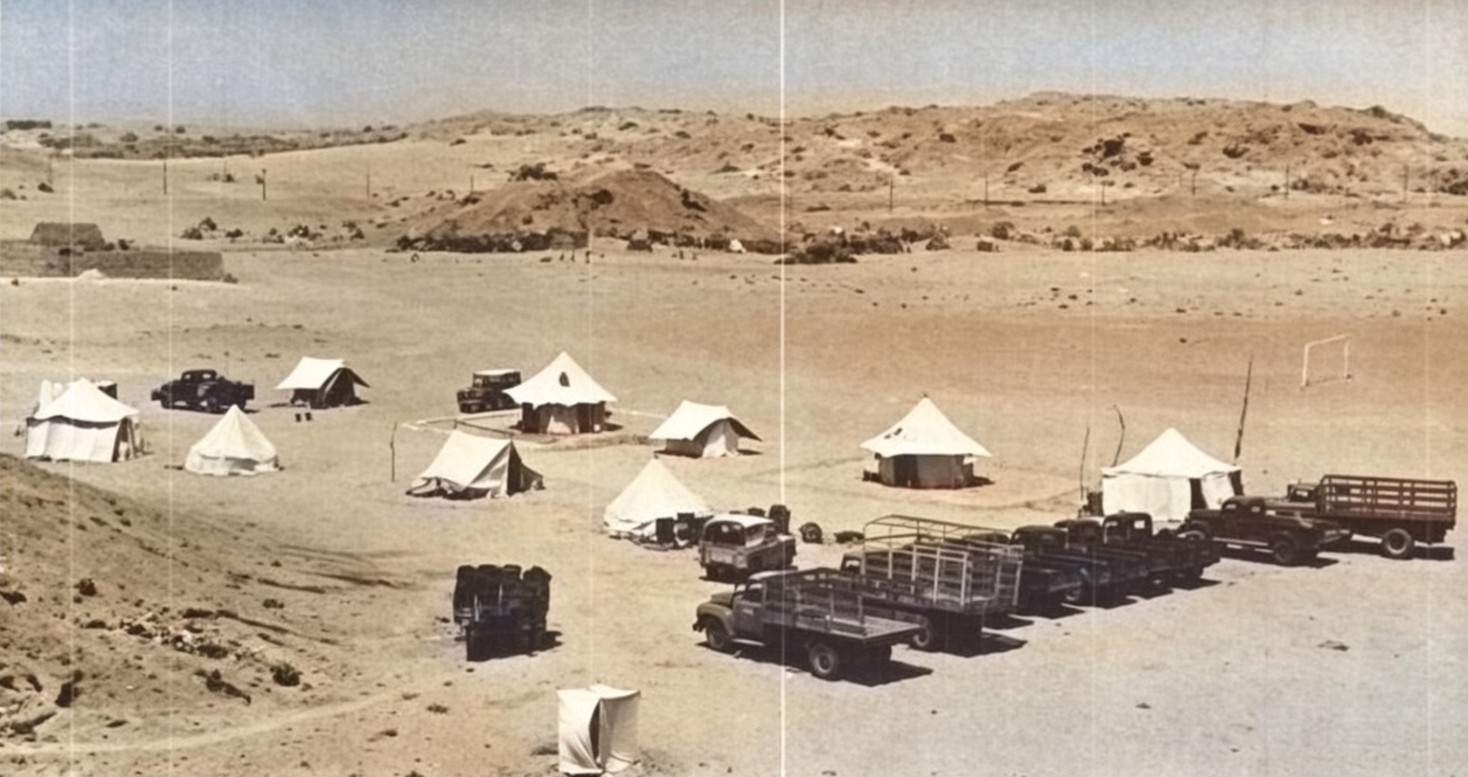
A locust‑control camp in 1961.
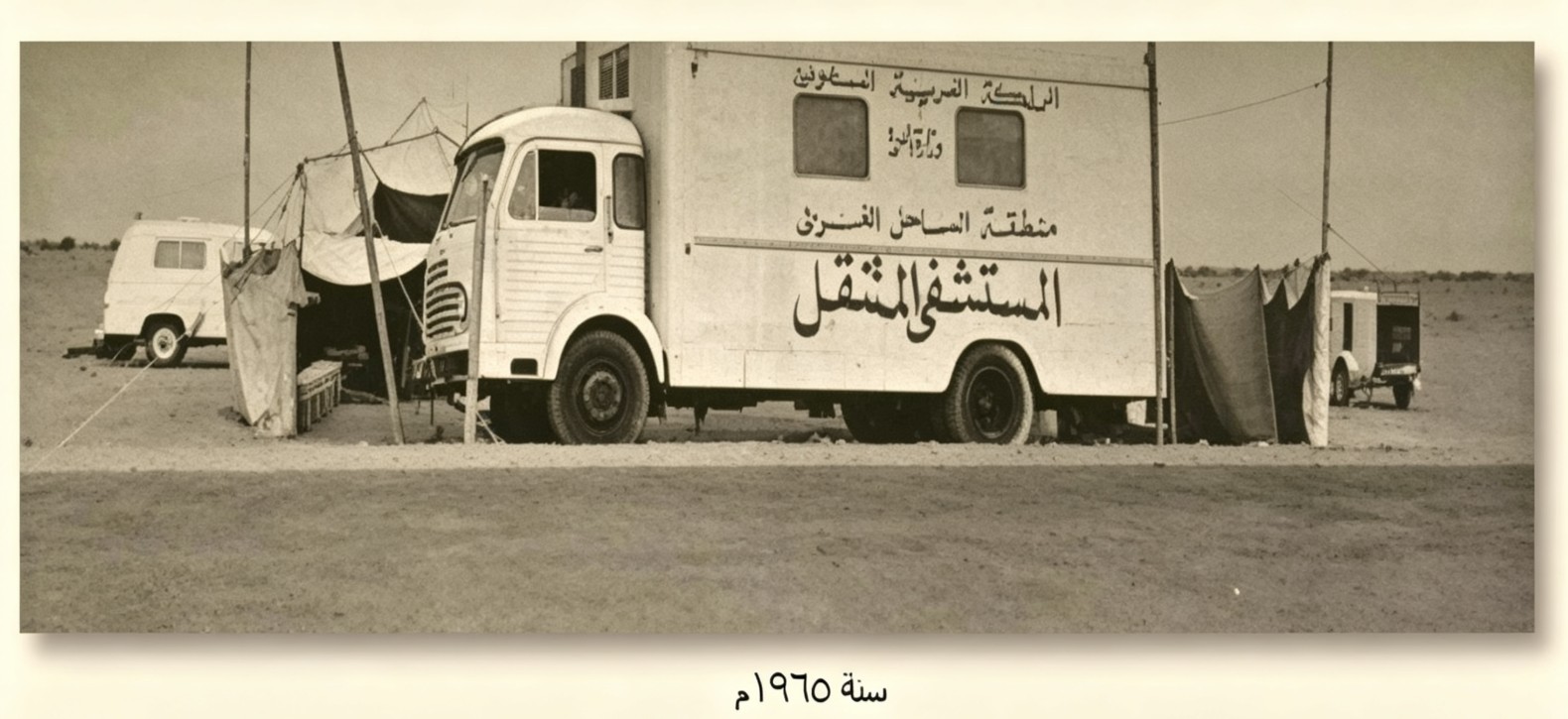
The Mobile Hospital in the year 1965.
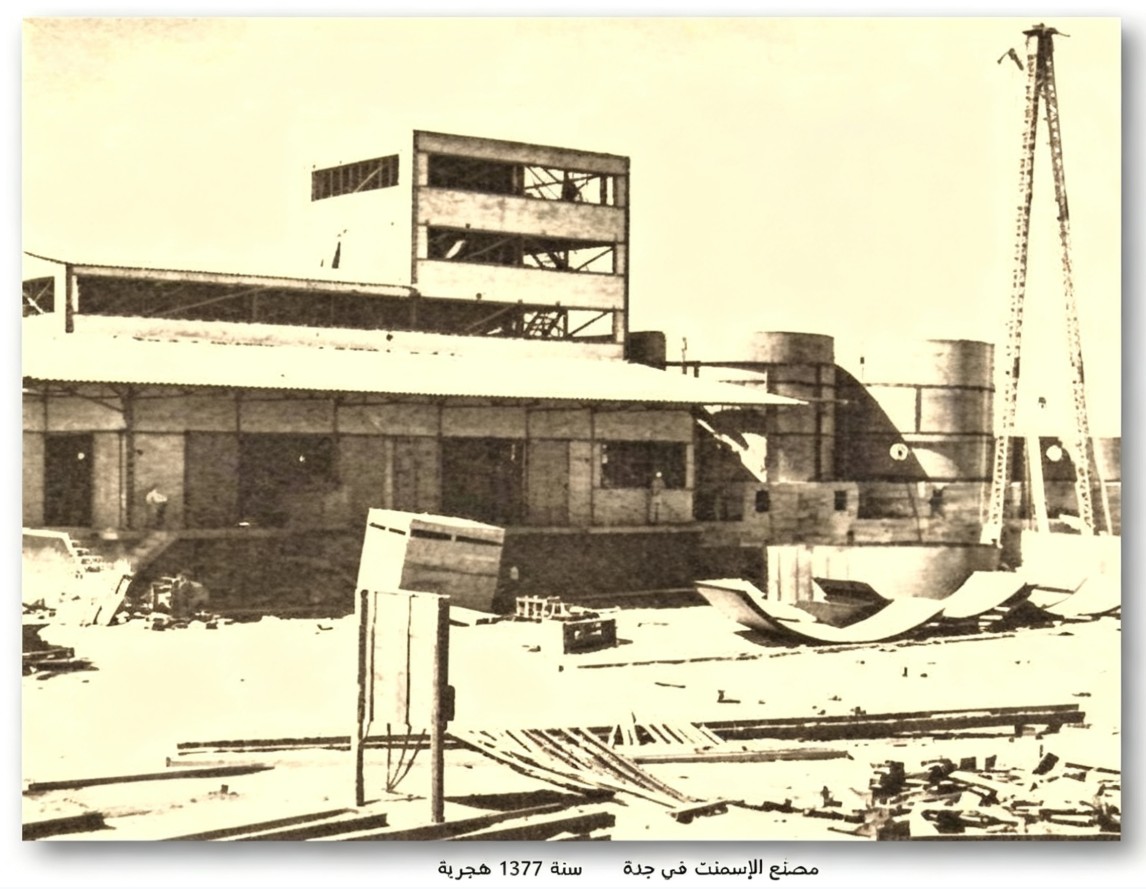
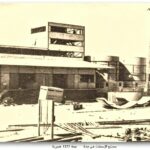
The Cement Factory in Jeddah, 1377 AH.
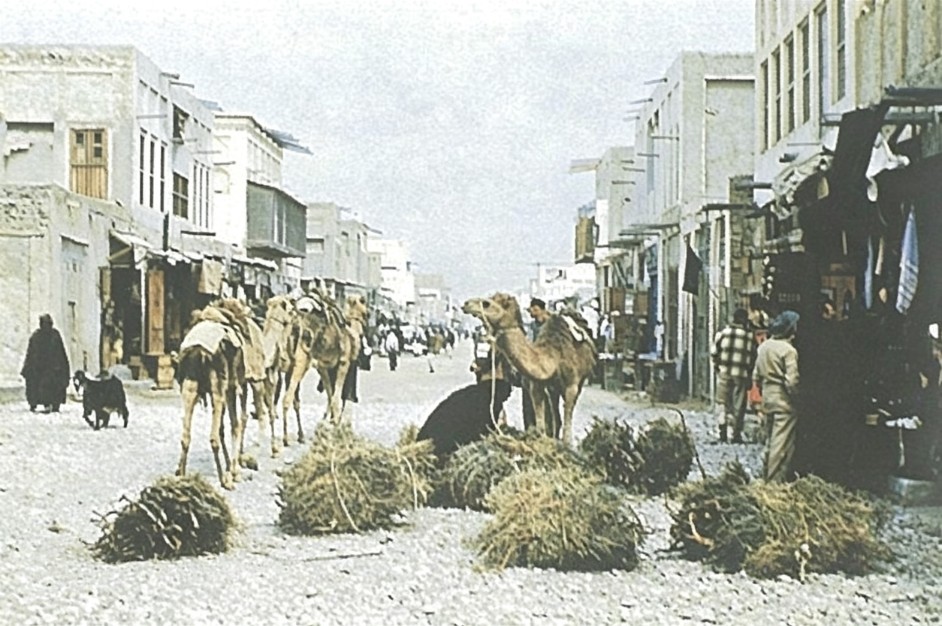
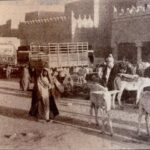
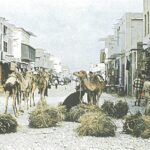
From the memory of Al‑Khobar: a photograph of the city’s commercial street—King Saud Street—at the end of the 1940s, with camels visibly present as a common means for transporting goods.

Qasr Khuzam in Jeddah during the reign of King Saud in the 1950s.
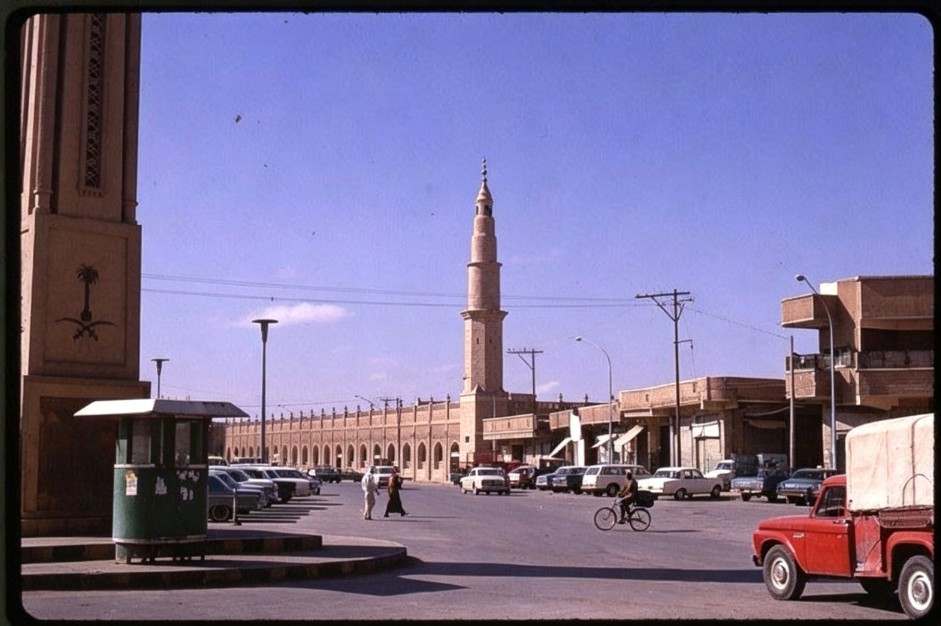
The Imam Turki bin Abdullah Mosque, rebuilt by King Saud—may God have mercy on him.
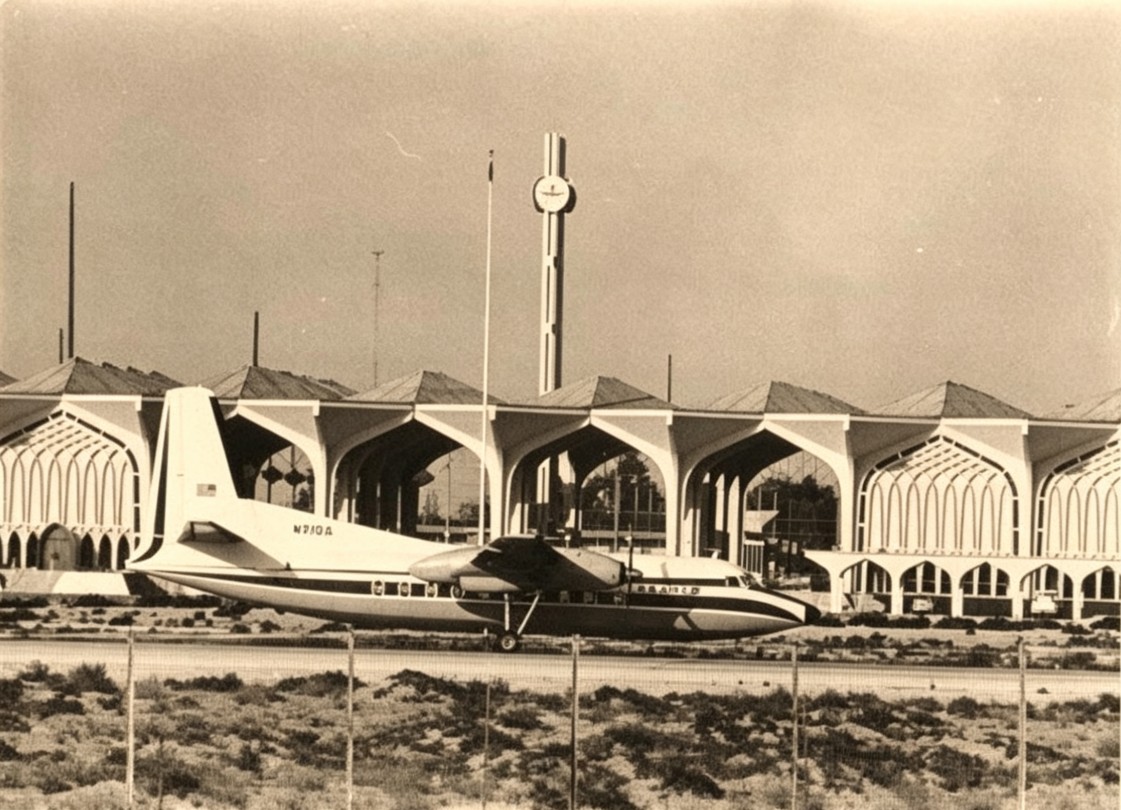
Dhahran Airport, 1970.
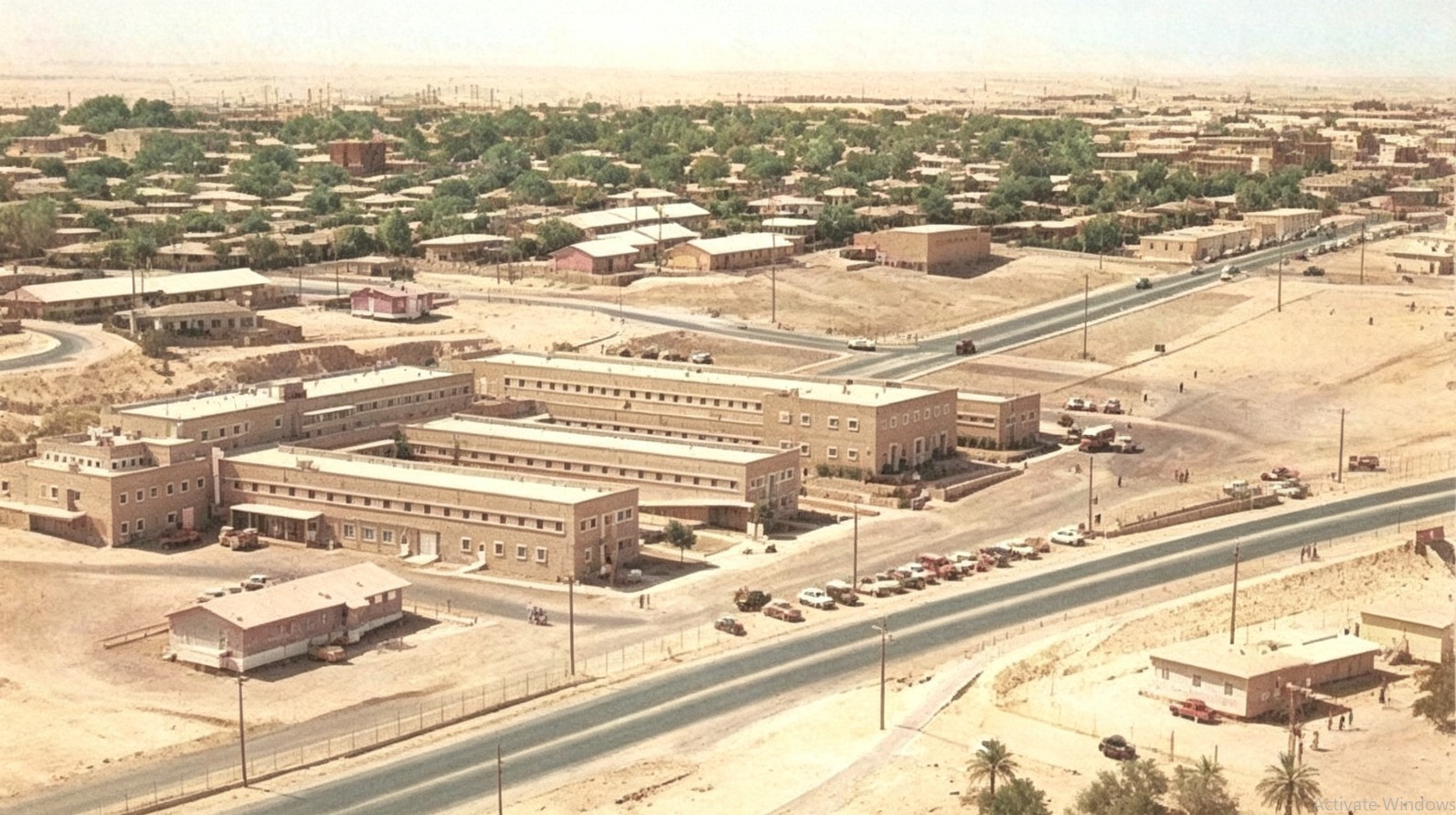
The Dhahran Health Center in 1959.
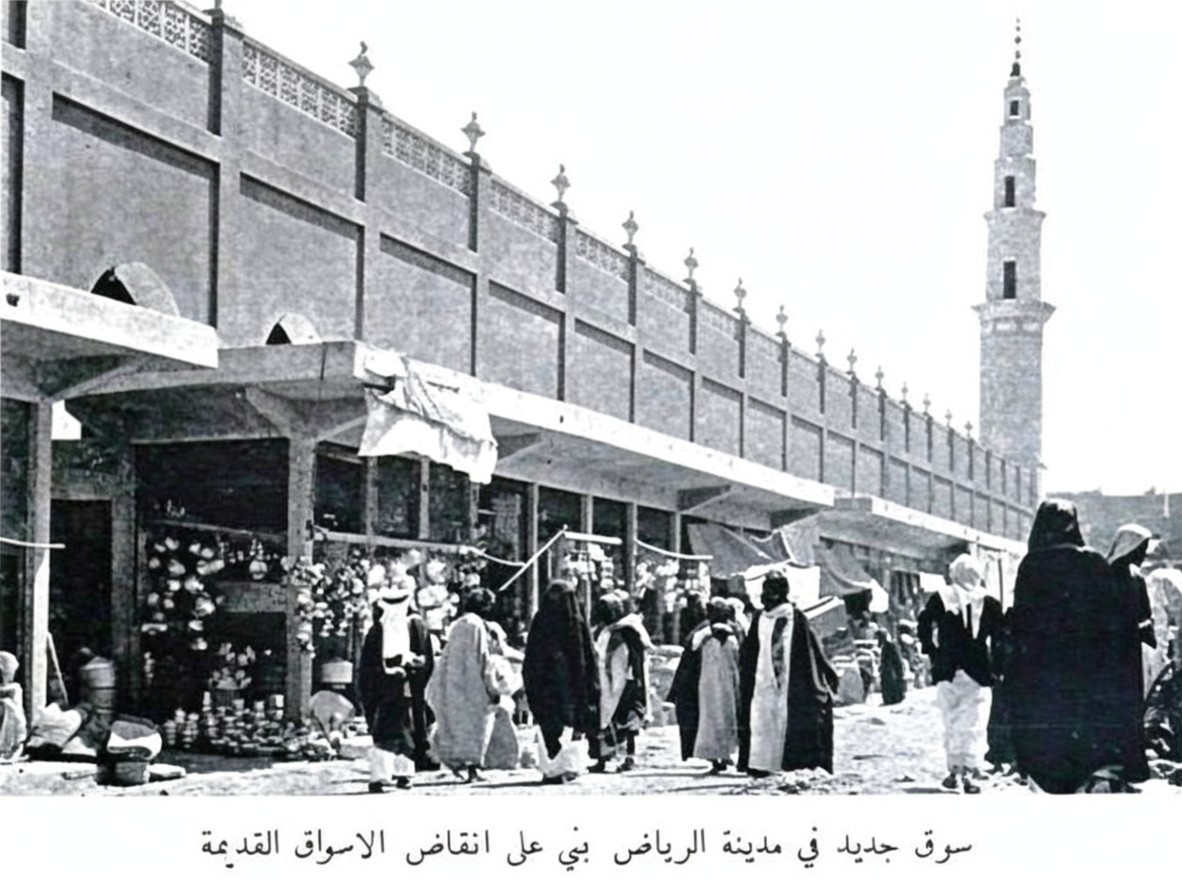
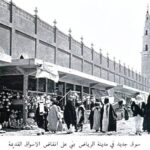
A new market in the city of Riyadh, built on the ruins of the old traditional souks in 1955.
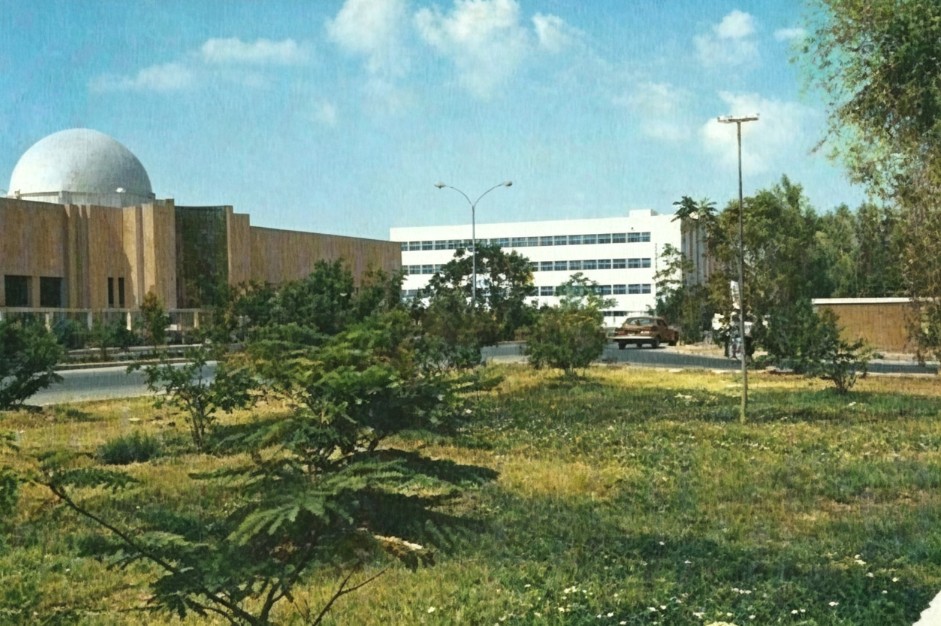
King Saud University in 1965.
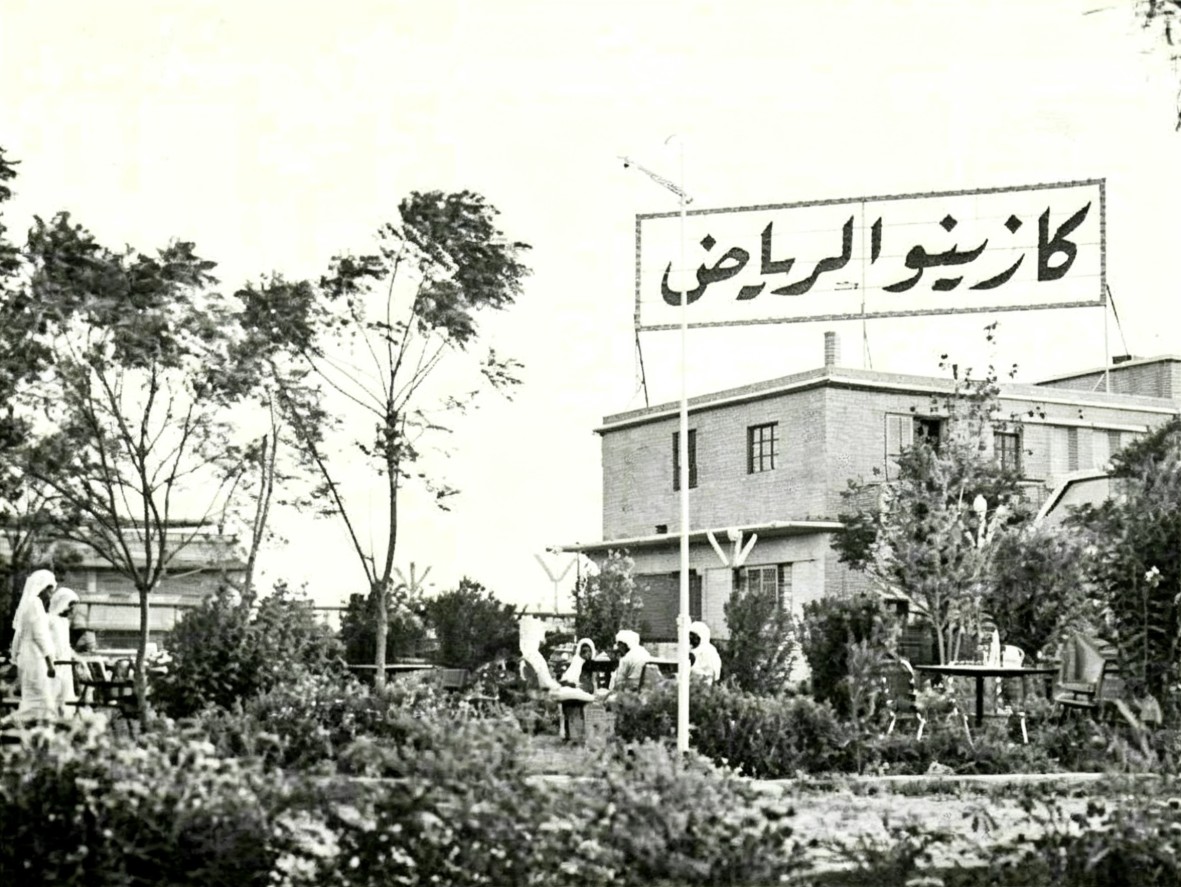
Riyadh Casino in 1961 — a charming venue frequented by visitors for refreshments, pastries, and both Arab and Western dishes; serving as a combined café and restaurant.
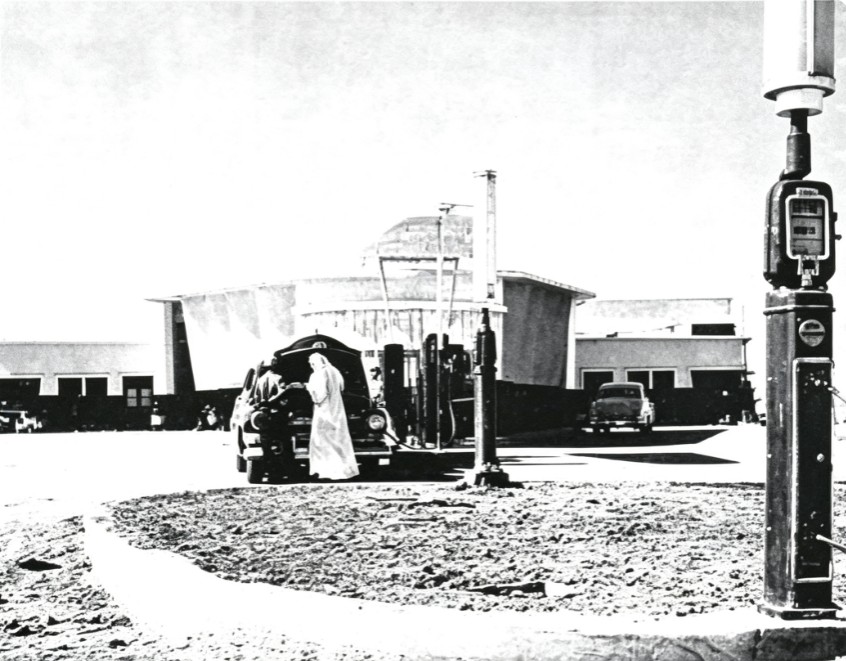
This new oil‑distribution station, located near Riyadh Airport, is currently under active construction — 1955.

During the reign of King Saud: the famous Al‑Kharj Nursery — a landscaped garden complex featuring shaded seating areas separated by trees, distinguished by its lush and vibrant greenery.

During the reign of King Saud: the famous Al‑Kharj Nursery — a landscaped garden complex featuring shaded seating areas separated by trees, distinguished by its lush and vibrant greenery.
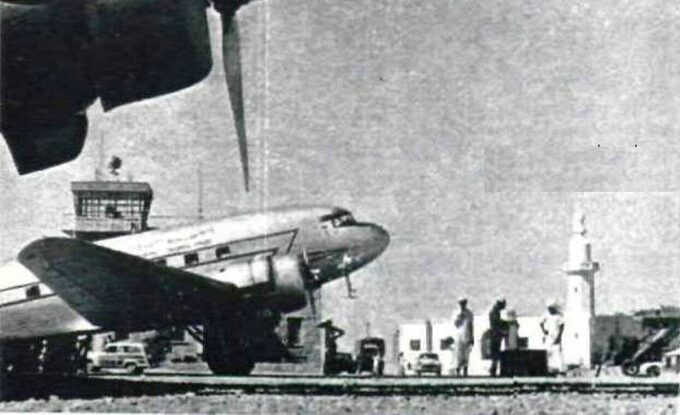
Riyadh Airport in 1954.

Dammam Central Hospital was established in 1963 with a capacity of 50 beds and seven outpatient clinics.
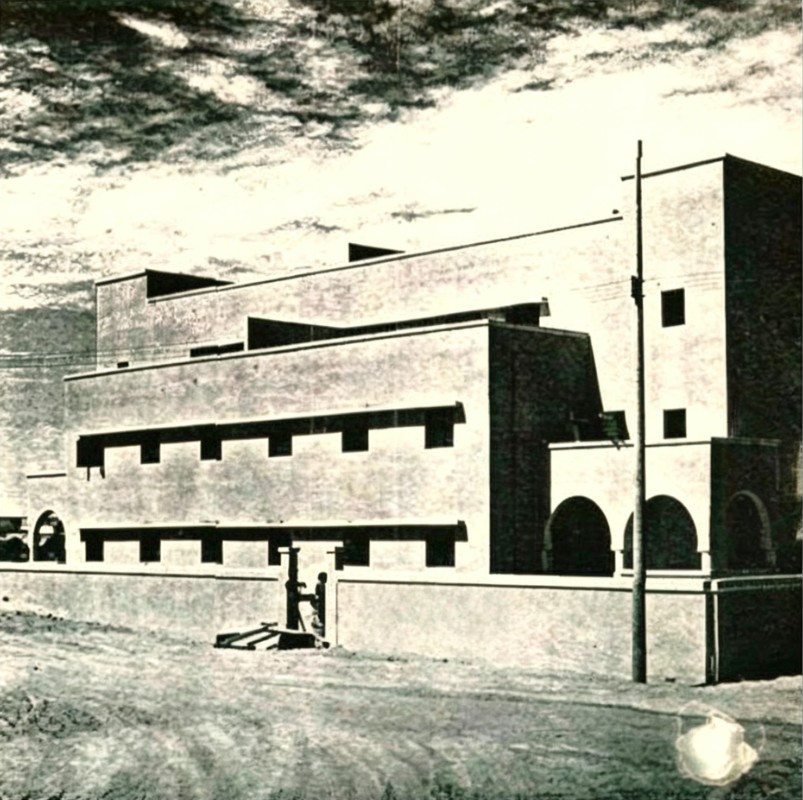
The Ministry of Finance Building in Dammam, 1956.

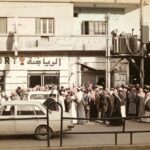
King Saud bin Abdulaziz Street — regarded as the principal commercial avenue of Al‑Khobar during the 1940s and 1950s.

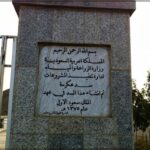
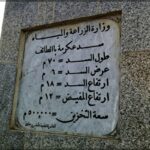
The Wadi Nimar Dam was constructed during the reign of King Saud—may God have mercy on him.

Al‑Wazir Street in Riyadh, 1955.
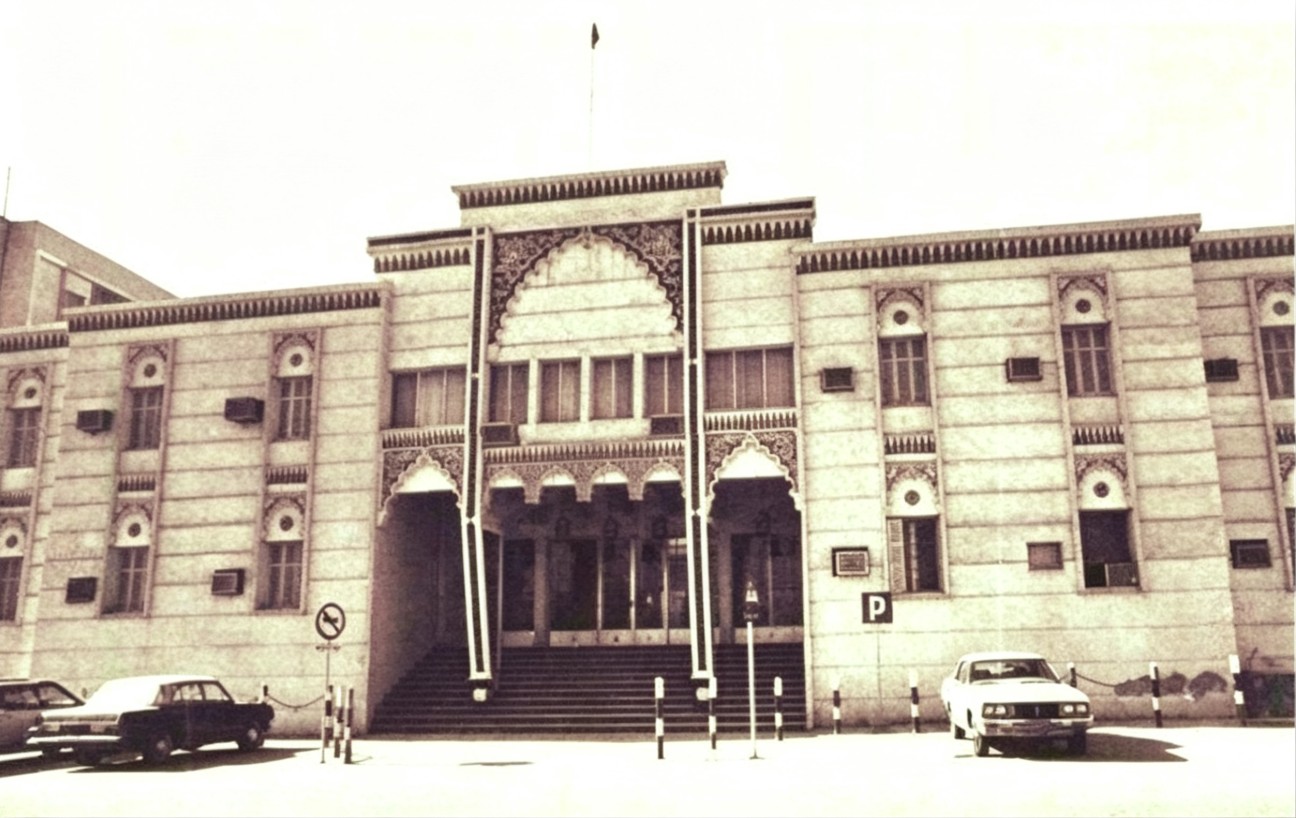
Qasr al‑Hukm, rebuilt by King Saud — may God have mercy on him.
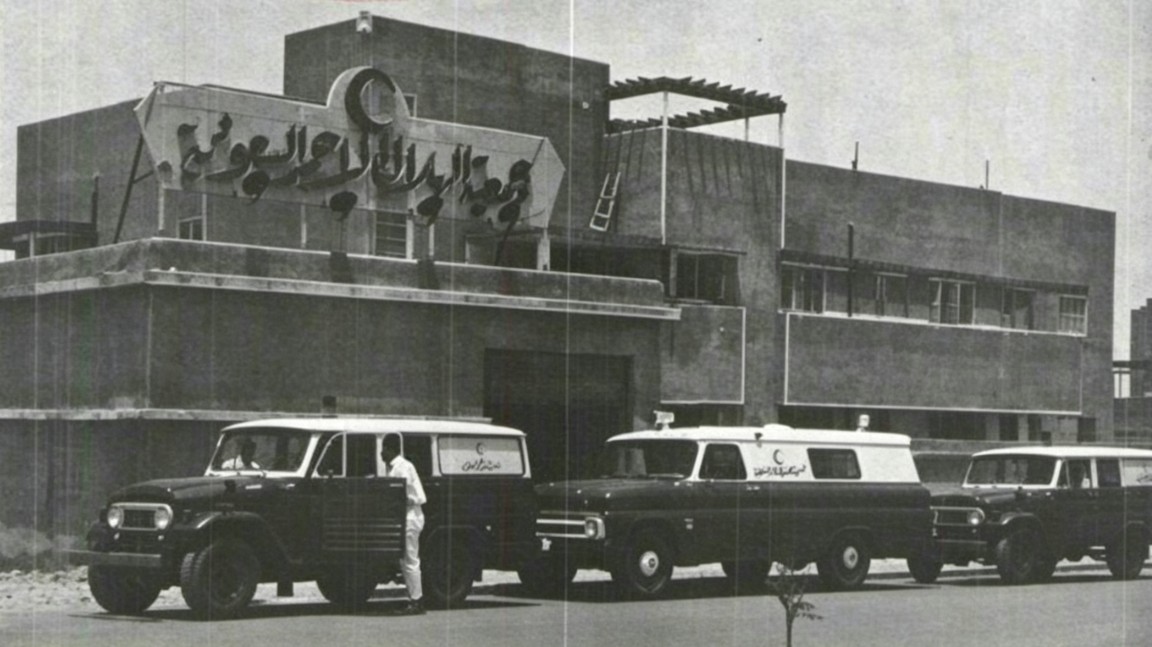
The Saudi Red Crescent Society Clinic in Riyadh, 1965.

The railway system during the reign of King Saud.
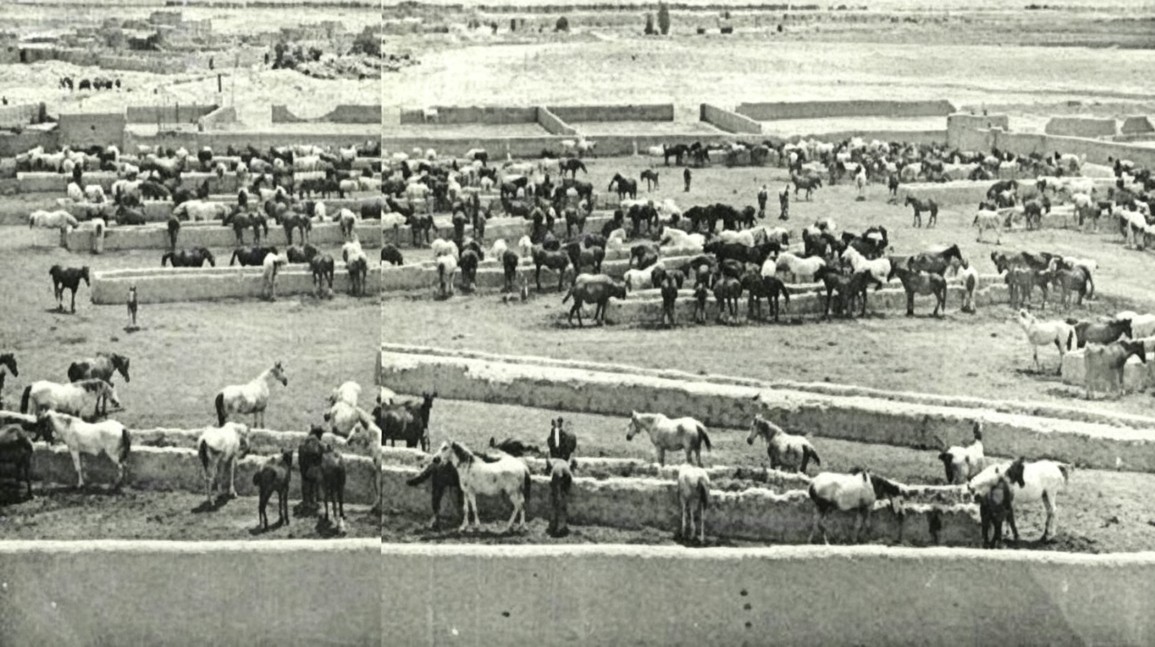
The horse stables in Khafs Daghrah during the 1950s — when the area served as a favored retreat and open getaway for many individuals, statesmen, and local families.
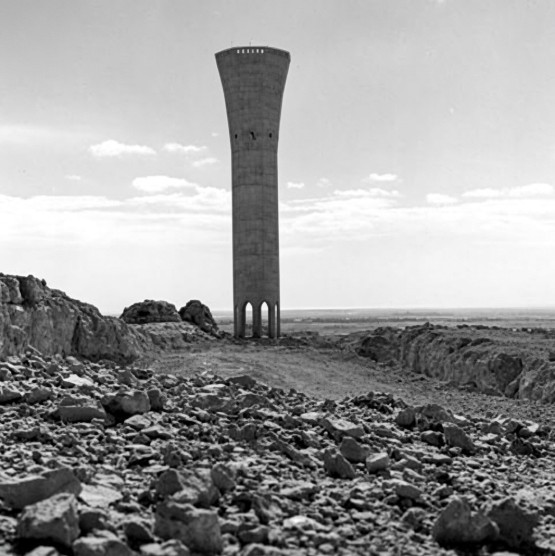
The College of Petroleum and Minerals was established by a Royal Decree issued by King Saud—may God have mercy on him—in 1963.
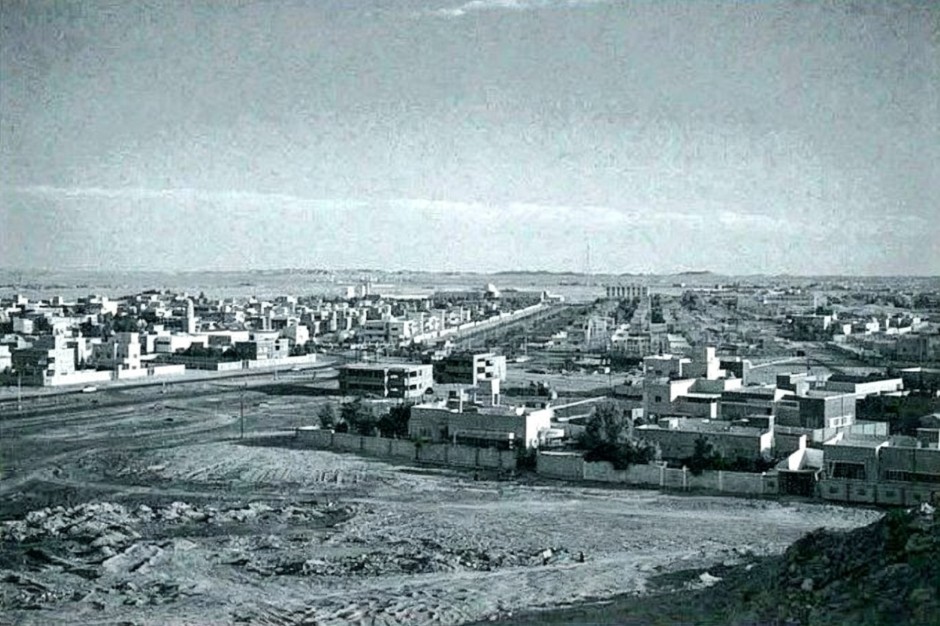
The city of Riyadh in 1965, viewed from the northeast.

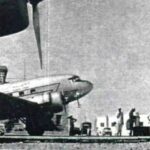
The old Riyadh Airport and one of Saudi Arabian Airlines’ aircraft in 1965.
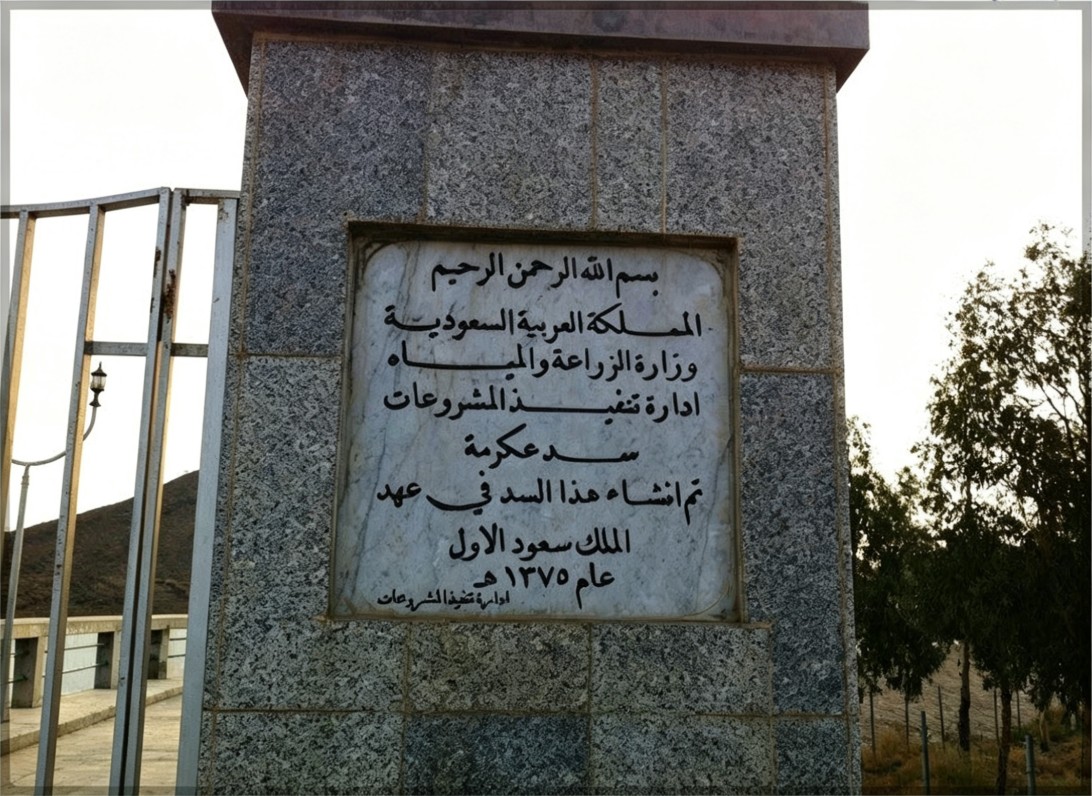
The ‘Akrimah Dam — the first dam constructed in the Saudi era in Taif — was built by King Saud, may God have mercy on him, in 1375 AH to protect water resources from the dangers of flash floods and to irrigate the surrounding farms.
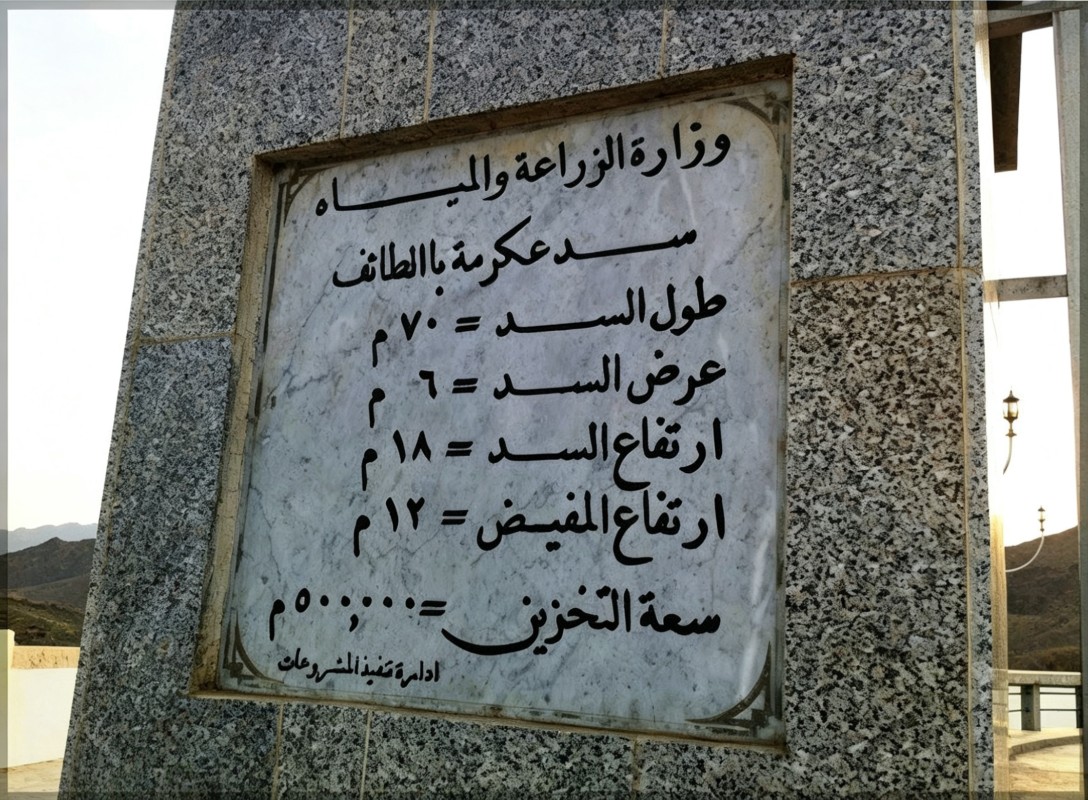
The ‘Akrimah Dam — the first dam constructed in the Saudi era in Taif — was built by King Saud, may God have mercy on him, in 1375 AH to protect water resources from the dangers of flash floods and to irrigate the surrounding farms.

The ‘Akrimah Dam — the first dam constructed in the Saudi era in Taif — was built by King Saud, may God have mercy on him, in 1375 AH to protect water resources from the dangers of flash floods and to irrigate the surrounding farms.
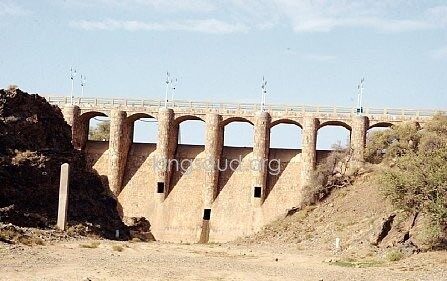
The ‘Akrimah Dam — the first dam constructed in the Saudi era in Taif — was built by King Saud, may God have mercy on him, in 1375 AH to protect water resources from the dangers of flash floods and to irrigate the surrounding farms.

Al‑Nasiriyah Hospital and Al‑Nasiriyah Palace — photographed by Dr. Rabhi Hamadeh, the personal physician of King Saud; may they all rest in peace.

Al‑Nasiriyah Hospital and Al‑Nasiriyah Palace — photographed by Dr. Rabhi Hamadeh, the personal physician of King Saud; may they all rest in peace.

Al‑Nasiriyah Hospital and Al‑Nasiriyah Palace — photographed by Dr. Rabhi Hamadeh, the personal physician of King Saud; may they all rest in peace.

The Supreme Planning Council Building, 1383 AH.

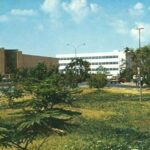
A photograph of the Institute of Public Administration in Riyadh, 1385 AH.

A recent photograph of the old Central Library building at the Islamic University.

King Saud —may God have mercy on him— officially inaugurated the Ahsa Cement Factory on Monday, 9‑11‑1381 AH (23‑4‑1962).
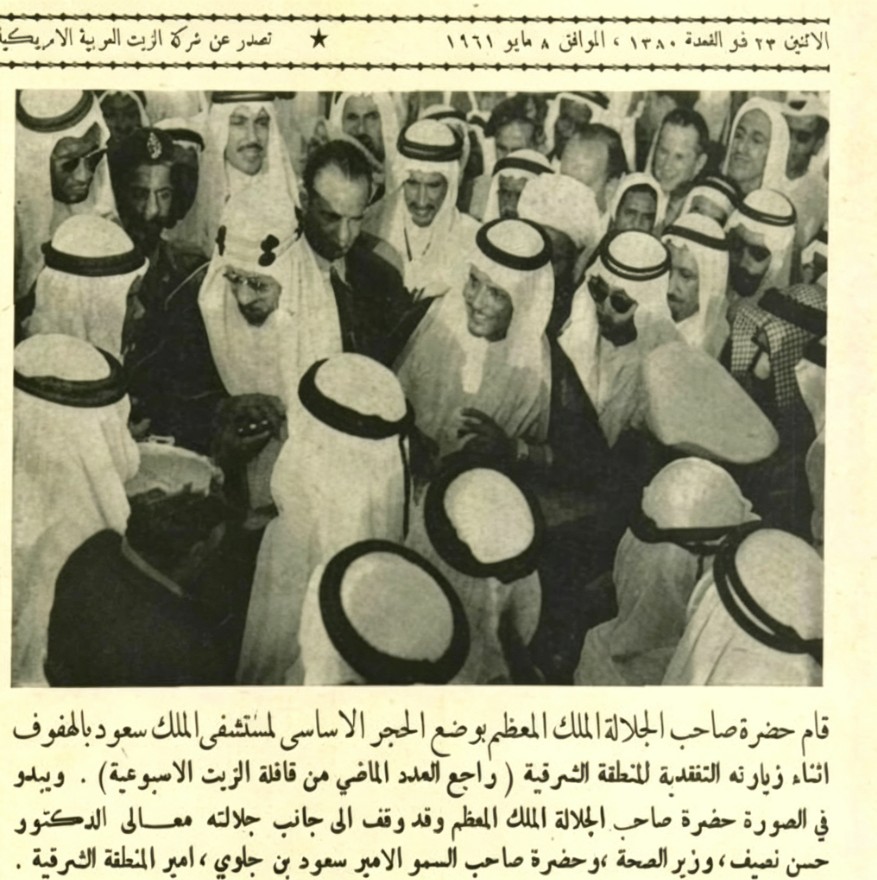
King Saud—may God have mercy on him—laying the foundation stone of King Saud Hospital in al‑Hofuf, al‑Ahsa.

The Health Institute in Riyadh, 1383 AH.
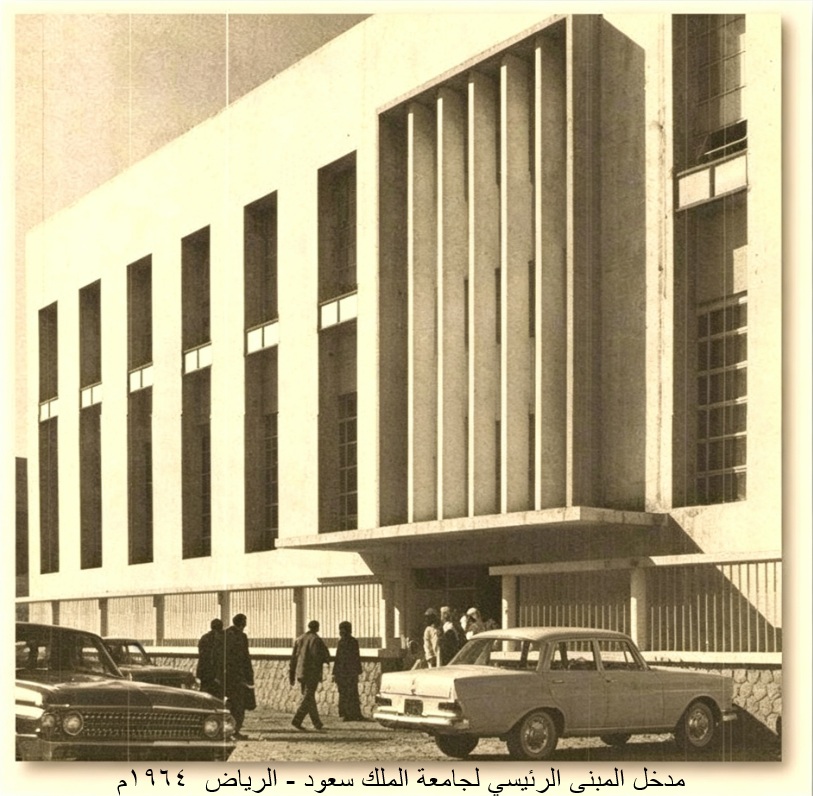
King Saud University in Riyadh, 1964.
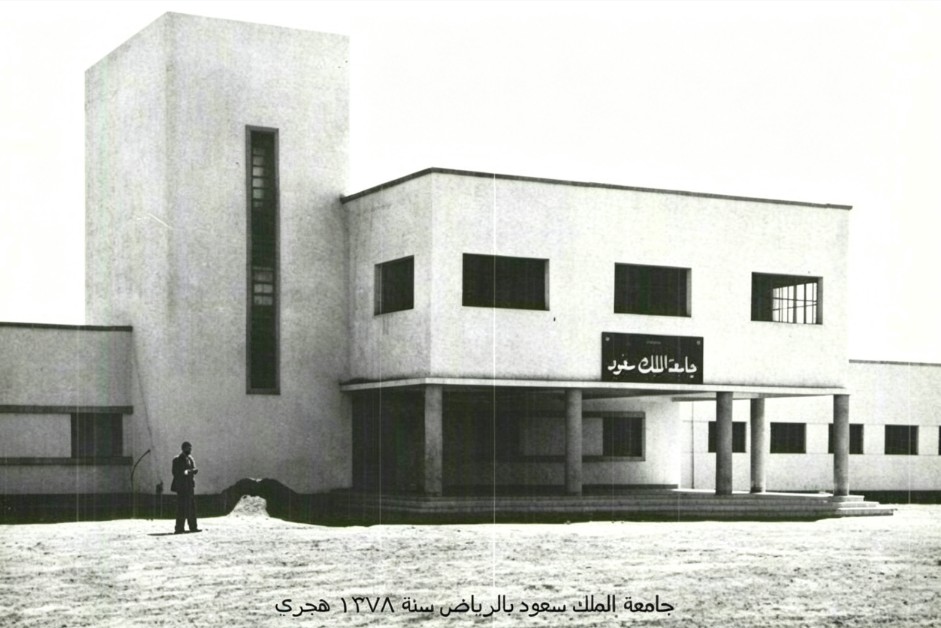
King Saud University in Riyadh, 1378 AH.

King Abdulaziz Street in Jeddah, 1378 AH.
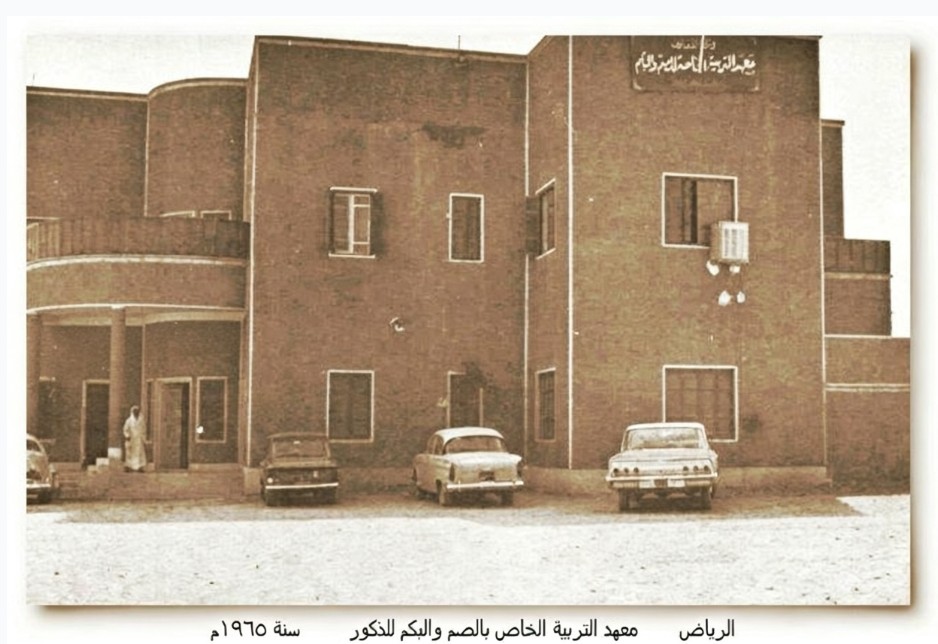
The Riyadh Institute for the Education of the Deaf 1965.
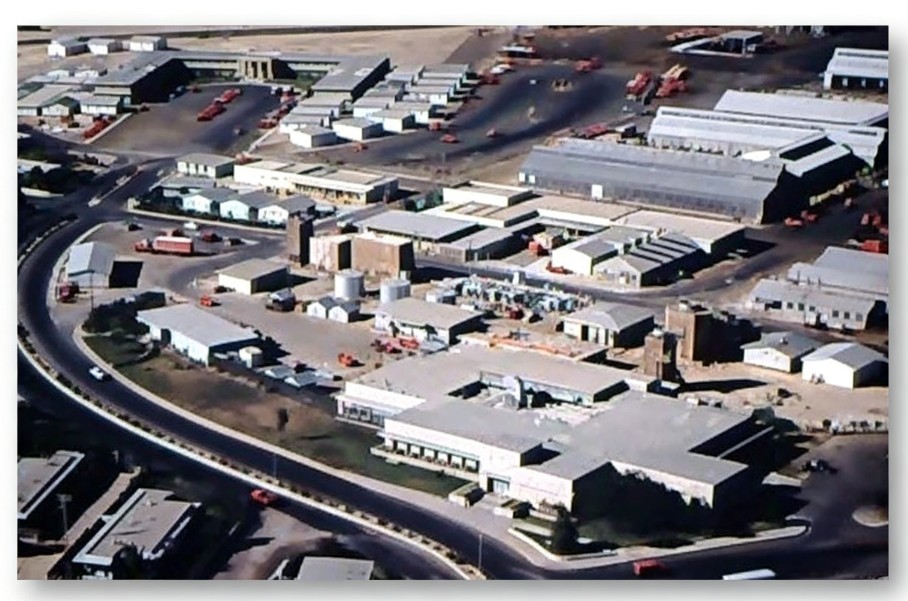
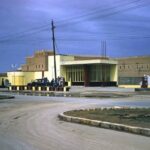
Dhahran, 1961.
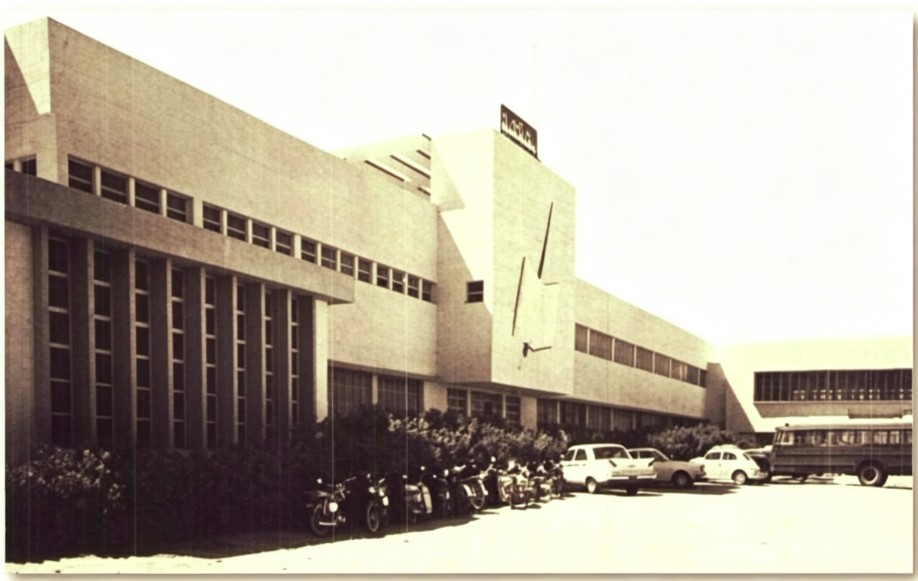
The Complementary Studies Center in Riyadh, 1388 AH — one of the early educational support institutions established to strengthen foundational learning programs during the Kingdom’s formative era of academic development.
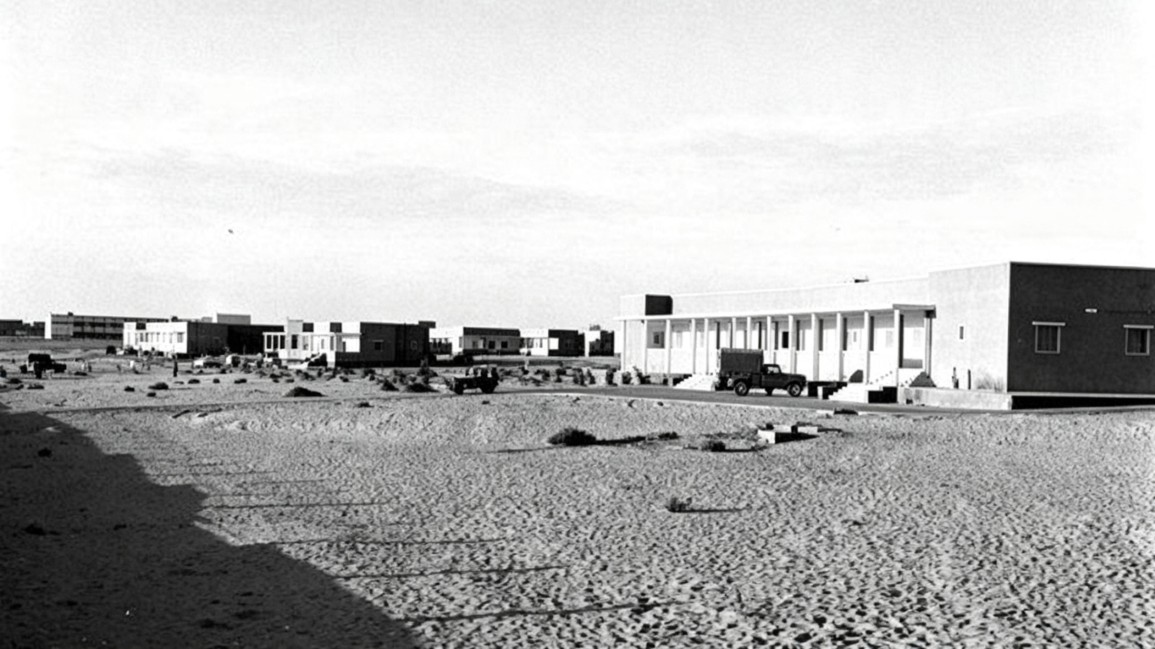
Buraidah Modern Hospital, 1962.

A photograph of the Palace of Governance in Riyadh after its reconstruction by King Saud — may God have mercy on him — in 1958.

The Eastern Province Regional Offices Building of the Ministry of Finance in Dammam, 1954 — a key administrative center established during the Kingdom’s early phase of institutional and economic development.

A photograph of King Saud Street (al‑Batha), captured from one of the buildings along al‑Wazir Street in the 1970s

A photograph of King Saud Street (al‑Batha), captured from one of the buildings along al‑Wazir Street in the 1970s
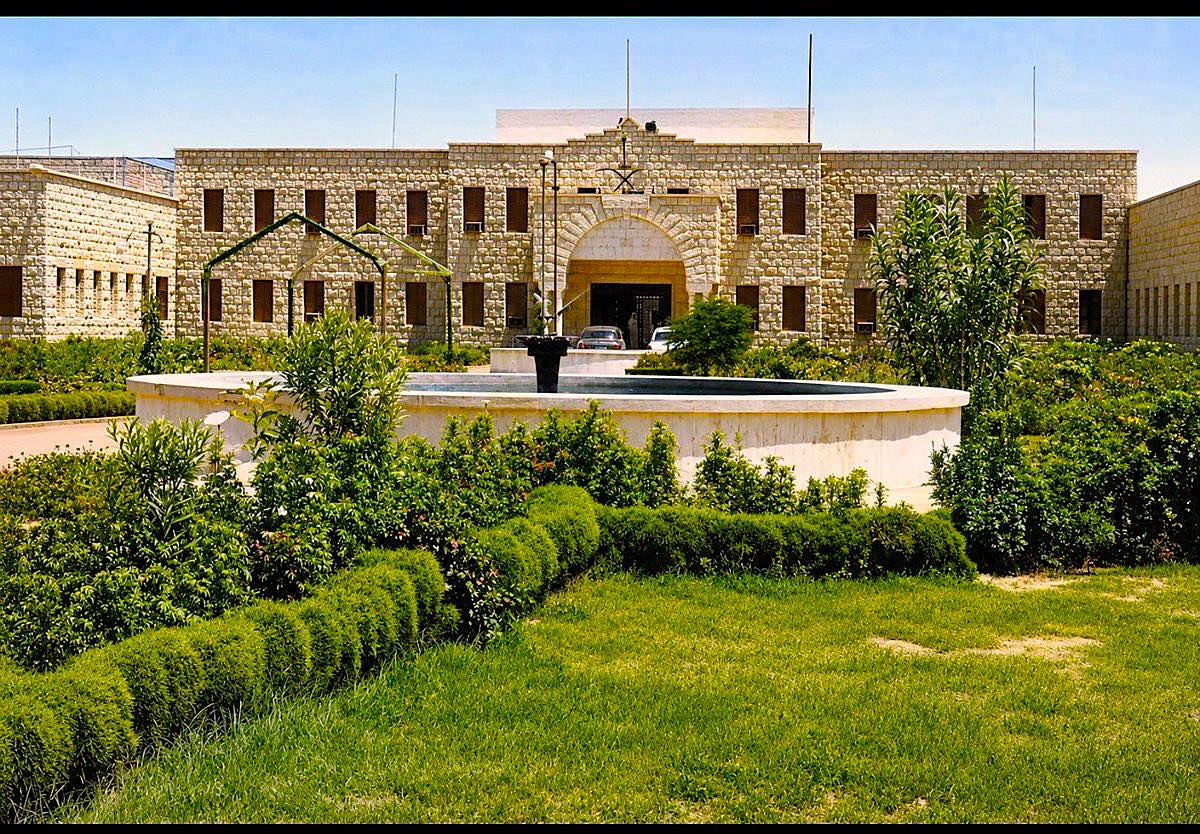
The Riyadh Municipality during the reign of King Saud — the administrative institution that oversaw the capital’s early urban expansion and the foundational development projects that shaped modern Riyadh.

The Riyadh Municipality during the reign of King Saud — the administrative institution that oversaw the capital’s early urban expansion and the foundational development projects that shaped modern Riyadh.

The latest radiology equipment installed in the Kingdom’s Hospitals — reflecting the early adoption of advanced diagnostic technologies within the national network of specialized pulmonary‑care institutions.

The latest radiographic imaging technology at King Saud’s First Hospital in Riyadh, 1955

The Saudi railways system, 1955 — documenting the early phase of the Kingdom’s transition toward modern transportation infrastructure.

One of the operating theatres at King Saud’s First Hospital in Riyadh, 1955 — showcasing the early surgical facilities established during the foundational years of modern healthcare development in the Kingdom.

One of the diesel locomotives operated by the Saudi Government Railways in 1955 — representing the Kingdom’s early transition toward modern rail transport during the foundational years of national infrastructure development.

The boarding section at King Saud Scientific City — the educational complex graciously gifted by His Majesty King Saud to the city of Jeddah in 1954

Maternity Hospital

Students vaulting over the wooden horse — a classic gymnastic exercise documented in 1955.

King Saud University in the al‑Malaz district in its formative early years — one of the Kingdom’s pioneering institutions of higher education during the modern development of Riyadh.

The landscaped garden of the modern Quarantine Facility in Jeddah — an integral part of the health complex established to support advanced public‑health services in the port city.

The Al‑‘Aqool Dam in Al‑Madinah Al‑Munawwarah — a principal agricultural development project
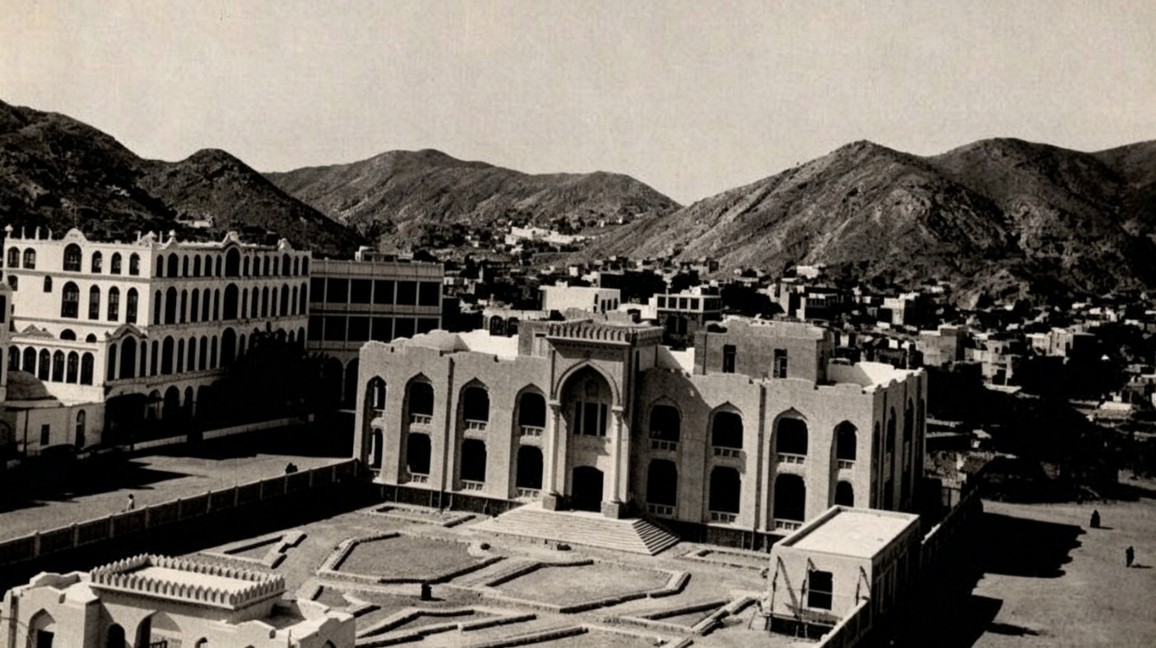
A rare and strikingly detailed photograph of King Saud’s Palace in al‑Ma‘abidah, Mecca—built between 1936 and 1941—showing also Jabal al‑Sayyidah, the al‑Saggaf Palace, parts of al‑Bayadiyyah, al‑Kharmaniyyah, al‑Abtah, and the surrounding palace district.

A fully equipped operating theatre at King Saud Hospital in Riyadh, showcasing the advanced medical facilities established during the mid‑1950s, 1955.

The palace of Crown Prince Saud in Murabbaʿ, one of the principal royal residences during the early development of Riyadh.

The surgical hospital building within the modern Quarantine Facility in Jeddah — a key medical structure established to support advanced public‑health services in the port city.

The main entrance of Hada’ Pulmonary Diseases Hospital, a specialized medical institution serving the Taif region.

Monitoring the wireless telephone communications network.

The Wireless Signal Transmission Office.

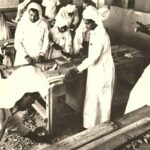
Modern cleaning and sterilization methods.

ِAl-Khobar During the reign of King Saud 1960

ِAl-Khobar During the reign of King Saud 1960

The government ministries constructed under the reign of His Majesty King Saud in Riyadh, with the Ministry of Defense prominently visible in the foreground, 1960.

King Saud Road in Riyadh, 1960.